This Week in Orbit: 2026-07-26
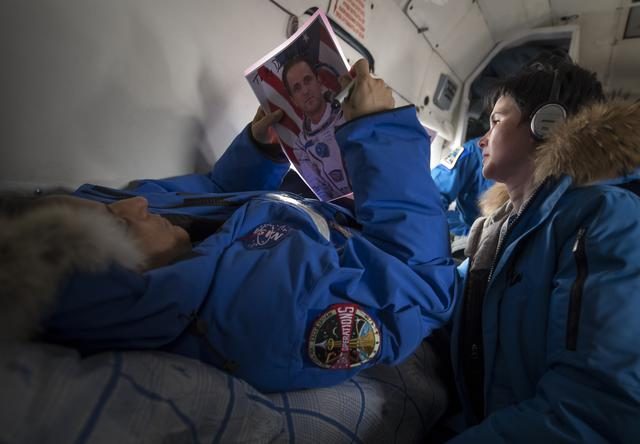
This week saw the safe return of the Soyuz MS-28 spacecraft, marking the end of an eight-month mission aboard the International Space Station (ISS). NASA astronaut Chris Williams and his crewmates were among those returning, highlighting the ongoing collaboration between international space agencies
Week Overview
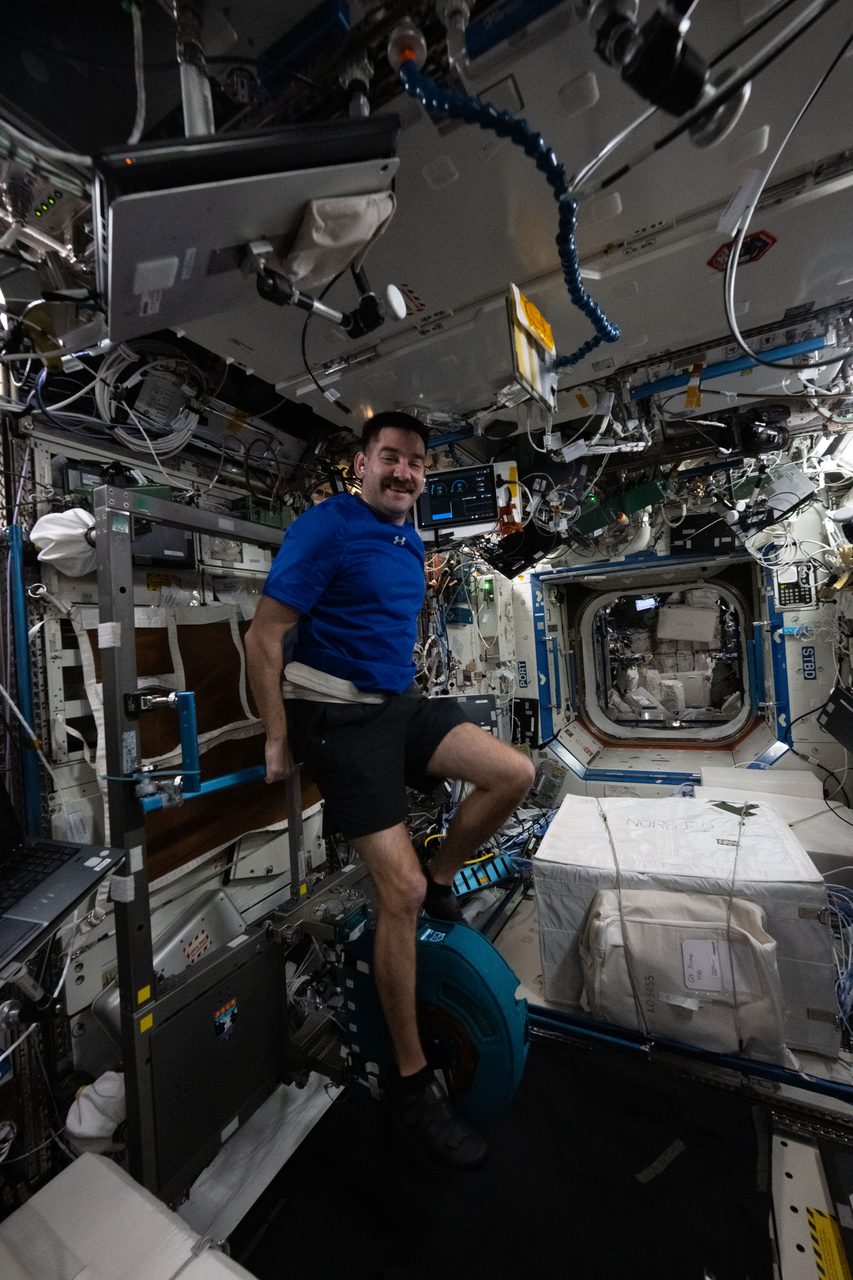
This week saw the safe return of the Soyuz MS-28 spacecraft, marking the end of an eight-month mission aboard the International Space Station (ISS). NASA astronaut Chris Williams and his crewmates were among those returning, highlighting the ongoing collaboration between international space agencies. Meanwhile, researchers at the University of Central Florida are developing new tools to aid in the search for habitable exoplanets, a significant step forward in our understanding of potentially life-supporting worlds beyond our solar system. On the ground, NASA and ESA facilities in Spain narrowly avoided major damage from wildfires, ensuring continued operations of critical space infrastructure.
Launch Activity
There were no new launches recorded this week, a rare pause in what has been a busy year for space missions. The absence of launches provides an opportunity to reflect on the significant progress made in recent months, including the successful 13th flight of SpaceX's Starship. The Starship programme continues to evolve, with SpaceX now considering a tower catch manoeuvre for future missions. For a comprehensive history of launches, the Orbital Radar Launch Log offers detailed records of all past missions.
Orbital Events
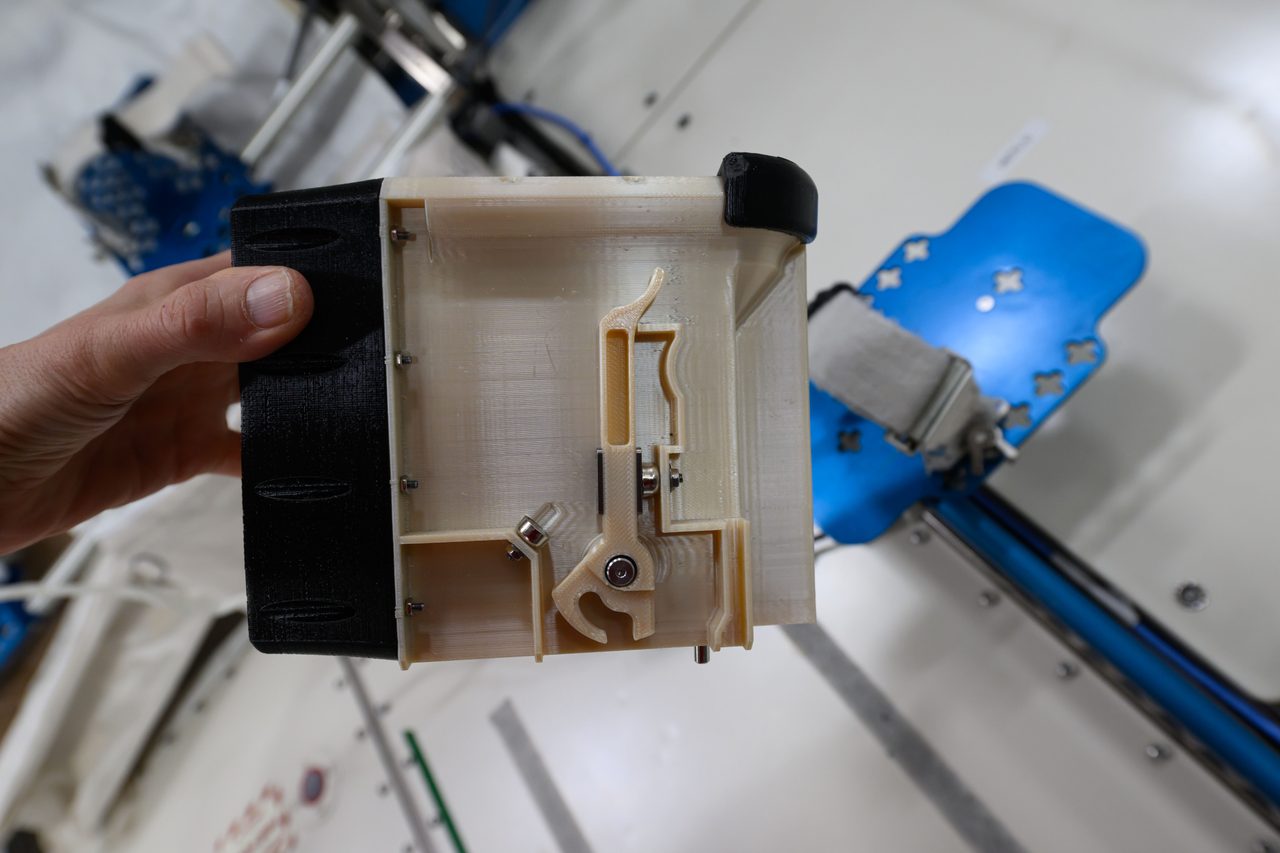
Orbital dynamics remain a focal point as several close approaches were tracked, including a notably close encounter between OBJECT A and OBJECT B at a minimum distance of 0.68 km. These events underscore the increasing congestion in low Earth orbit and the importance of accurate tracking to prevent collisions. The Orbital Radar Debris Map provides a real-time view of space debris, helping to monitor and manage these potential hazards.
Space Weather
Unfortunately, space weather data was unavailable this week. Typically, space weather can have significant impacts on satellite operations and communications, with solar flares and geomagnetic storms posing potential risks. For those interested in learning more about space weather phenomena, the Orbital Radar Space Academy offers educational resources and insights.
Notable Satellites
The active satellite count in orbit stands at 18,365, with Starlink satellites making up a significant portion. Of the 10,778 Starlink satellites launched, 9,609 are operational, while others are in various stages of orbit adjustment or deorbiting. This massive constellation plays a crucial role in global internet coverage and can be tracked in detail using the Orbital Radar Starlink Tracker.
Looking Ahead
As we look to the future, the focus remains on upcoming missions and technological advancements. The development of tools for identifying habitable planets could revolutionise our understanding of the universe. Additionally, the potential for a tower catch manoeuvre by SpaceX's Starship signals ongoing innovation in launch and recovery techniques. For a detailed schedule of future launches, the Orbital Radar Launch Schedule provides the latest updates.
📎 Cite this article
Orbital Radar Newsroom. (2026). This Week in Orbit: 2026-07-26. Orbital Radar. https://orbitalradar.com/blog/this-week-in-orbit-2026-07-26"This Week in Orbit: 2026-07-26." Orbital Radar, 29 July 2026, https://orbitalradar.com/blog/this-week-in-orbit-2026-07-26.@misc{orbitalradar_this_week_in_orbit_2026_07_26,
title = {This Week in Orbit: 2026-07-26},
author = {{Orbital Radar}},
year = {2026},
howpublished = {\url{https://orbitalradar.com/blog/this-week-in-orbit-2026-07-26}}
}