This Week in Orbit: 2026-07-19
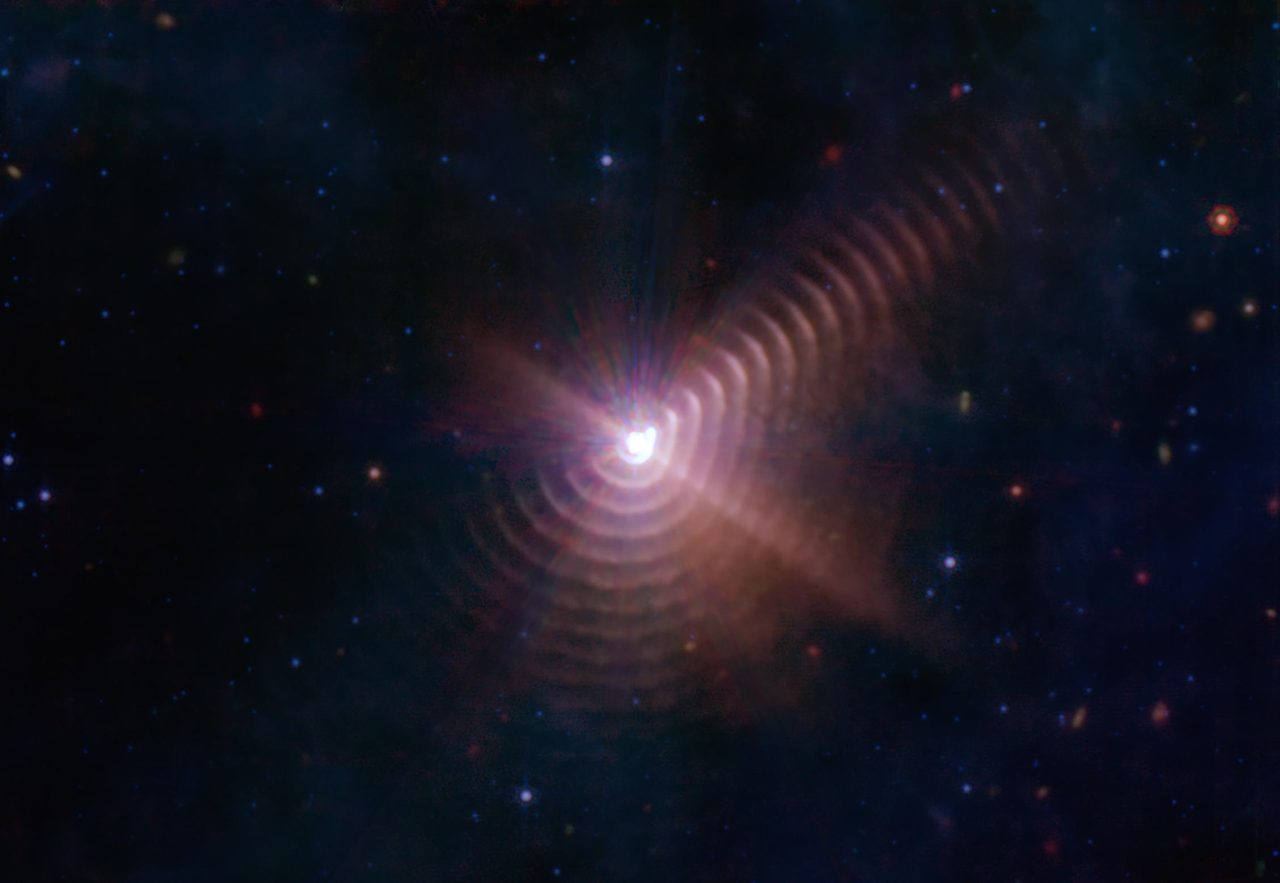
This week, the James Webb Space Telescope has once again captured the scientific community's attention with its latest discovery on black holes. The telescope has provided new insights into how these cosmic giants feed themselves, a finding that could reshape our understanding of galactic evolution.
Week Overview
This week, the James Webb Space Telescope has once again captured the scientific community's attention with its latest discovery on black holes. The telescope has provided new insights into how these cosmic giants feed themselves, a finding that could reshape our understanding of galactic evolution. Meanwhile, Japan's daring asteroid flyby mission has been a topic of intrigue, as scientists initially deemed the manoeuvre too dangerous. The mission's success underscores the growing capabilities of space exploration technology. In other news, NASA's Artemis III Lander Test is set to serve as a 'dress rehearsal' for humanity's return to the Moon, marking a significant milestone in lunar exploration.
Launch Activity
This week saw an absence of new launches, a rare occurrence in the bustling world of space exploration. However, the orbital landscape remains dynamic with 18,294 active satellites currently in orbit. Among these, the Starlink constellation continues to dominate, with 10,789 active satellites, including 9,553 operational units. For those interested in tracking future launches, the Orbital Radar Launch Schedule provides a comprehensive overview of upcoming missions.
Orbital Events
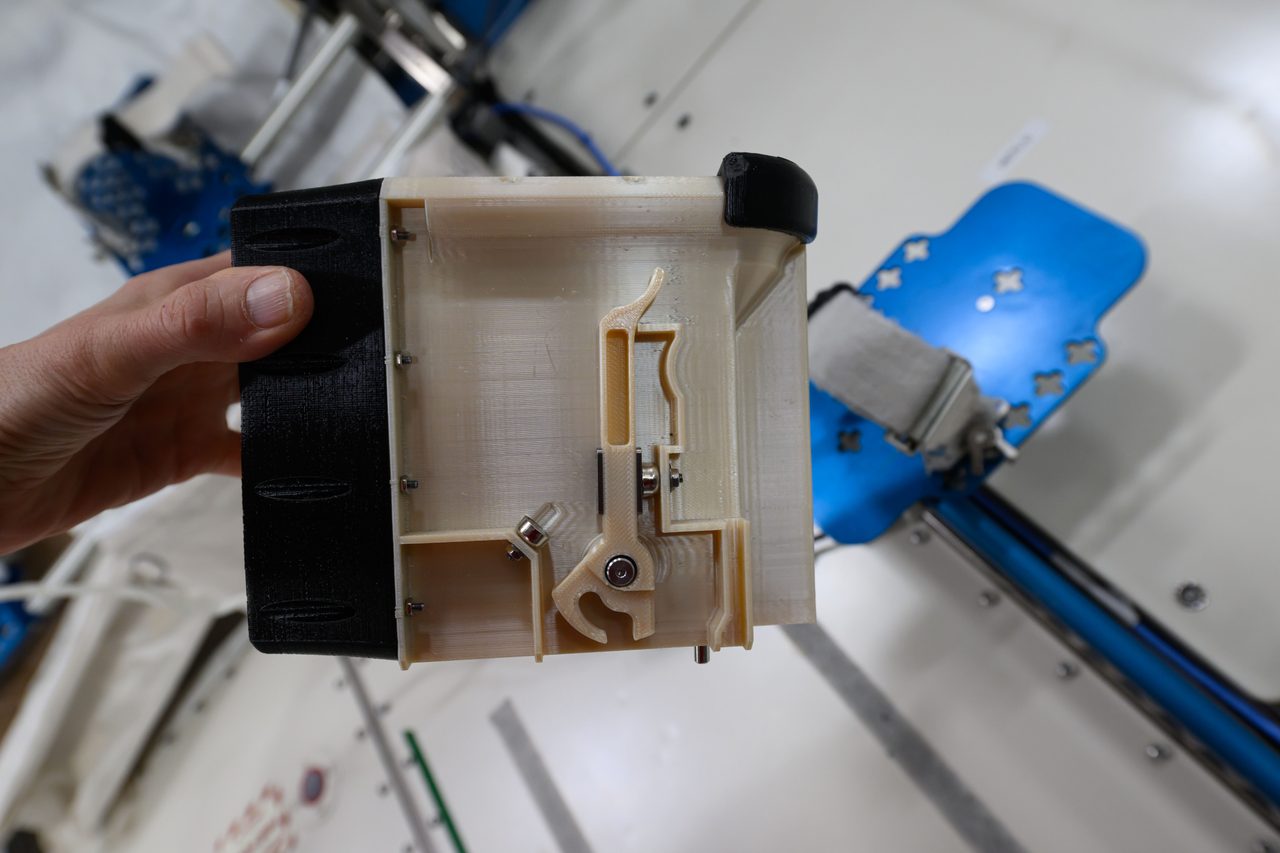
The week was marked by a series of close approaches between satellites, highlighting the crowded nature of Earth's orbit. Notably, PRC Test Spacecraft 4 and Object H, as well as Intelsat 1002 and MEV-2, experienced zero-kilometre minimum separation events, a reminder of the precision required in satellite operations. The Orbital Radar Debris Map can offer a detailed view of these and other orbital interactions, aiding in the monitoring of potential collision risks.
Space Weather
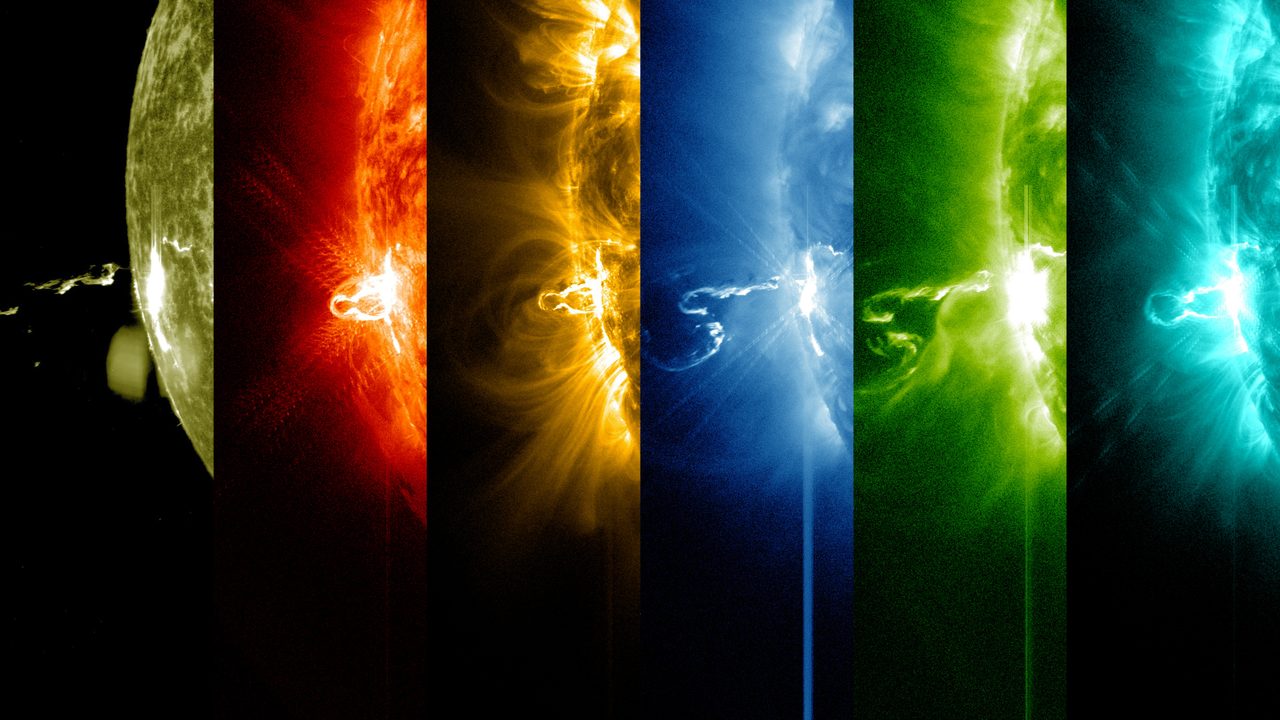
Unfortunately, space weather data was unavailable this week. However, understanding space weather remains crucial, as solar activity can significantly impact satellite operations and communications. For those interested in learning more about space weather phenomena, the Orbital Radar Space Academy offers educational resources and insights.
Notable Satellites
The Starlink constellation continues to expand, with 10,789 satellites launched to date. Of these, 899 are actively raising their orbits, while 338 are in the process of deorbiting. The Orbital Radar Starlink Tracker provides real-time updates on the status and location of these satellites, offering a valuable tool for enthusiasts and professionals alike.
Looking Ahead

As we look to the future, NASA's Artemis III mission stands out as a pivotal moment in space exploration. The upcoming lander test will simulate conditions for the first crewed lunar landing in over 50 years. For those interested in tracking this and other lunar activities, the Orbital Radar Moon Globe provides real-time data on lunar orbiters and phases.
📎 Cite this article
Orbital Radar Newsroom. (2026). This Week in Orbit: 2026-07-19. Orbital Radar. https://orbitalradar.com/blog/this-week-in-orbit-2026-07-19"This Week in Orbit: 2026-07-19." Orbital Radar, 20 July 2026, https://orbitalradar.com/blog/this-week-in-orbit-2026-07-19.@misc{orbitalradar_this_week_in_orbit_2026_07_19,
title = {This Week in Orbit: 2026-07-19},
author = {{Orbital Radar}},
year = {2026},
howpublished = {\url{https://orbitalradar.com/blog/this-week-in-orbit-2026-07-19}}
}