Vanguard 1: The Oldest Satellite Still in Orbit
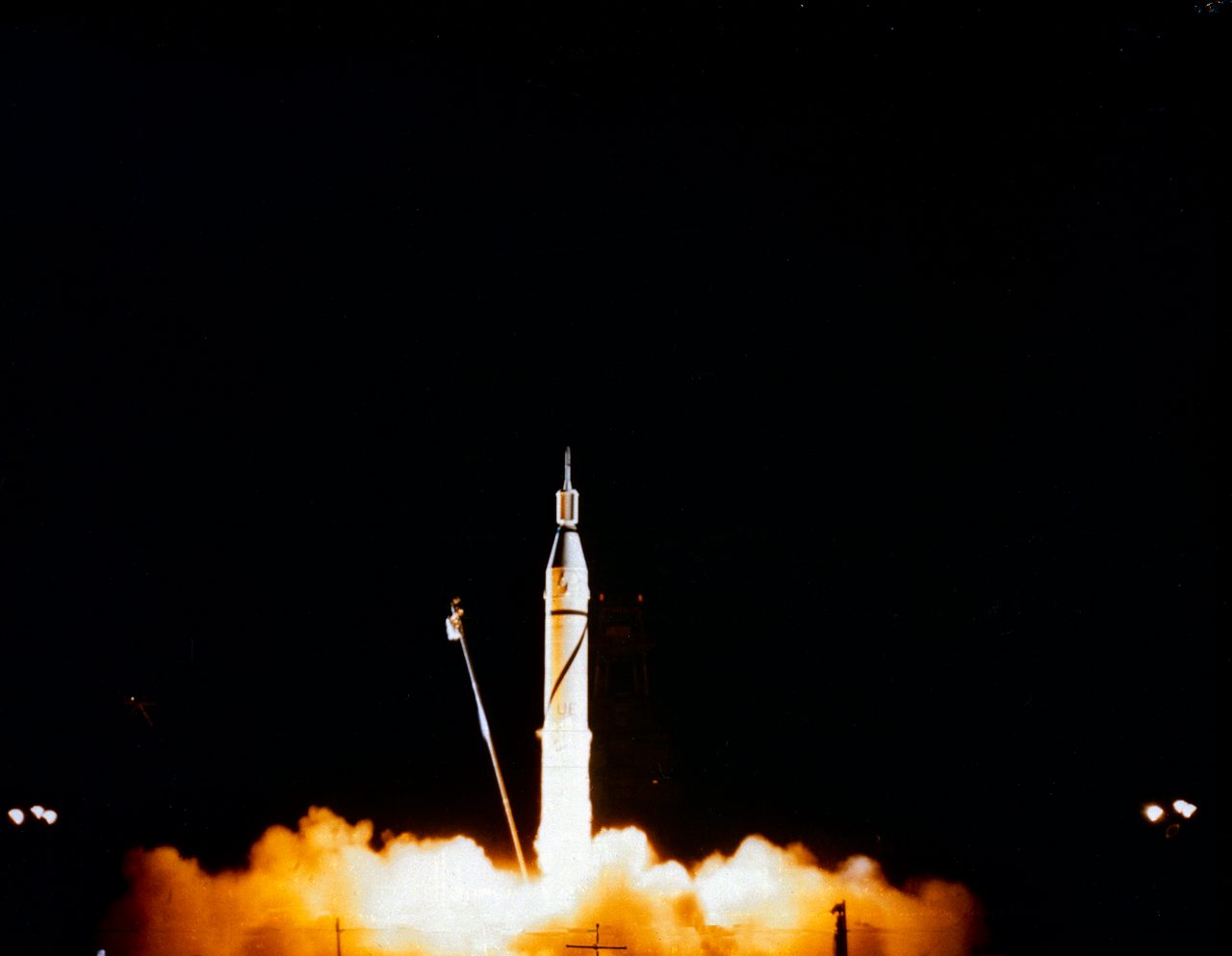
Launched on 17 March 1958, Vanguard 1 is the oldest artificial satellite still in orbit. Developed by the United States as part of the Vanguard Project, it was the fourth artificial Earth satellite to be successfully launched.
What is Vanguard 1?
Launched on 17 March 1958, Vanguard 1 is the oldest artificial satellite still in orbit. Developed by the United States as part of the Vanguard Project, it was the fourth artificial Earth satellite to be successfully launched. This small, spherical satellite was a pioneering project of the Naval Research Laboratory (NRL) and was designed to test the capabilities of a three-stage launch vehicle as well as to conduct scientific measurements of the Earth's shape and the density of its upper atmosphere.
Mission and Purpose
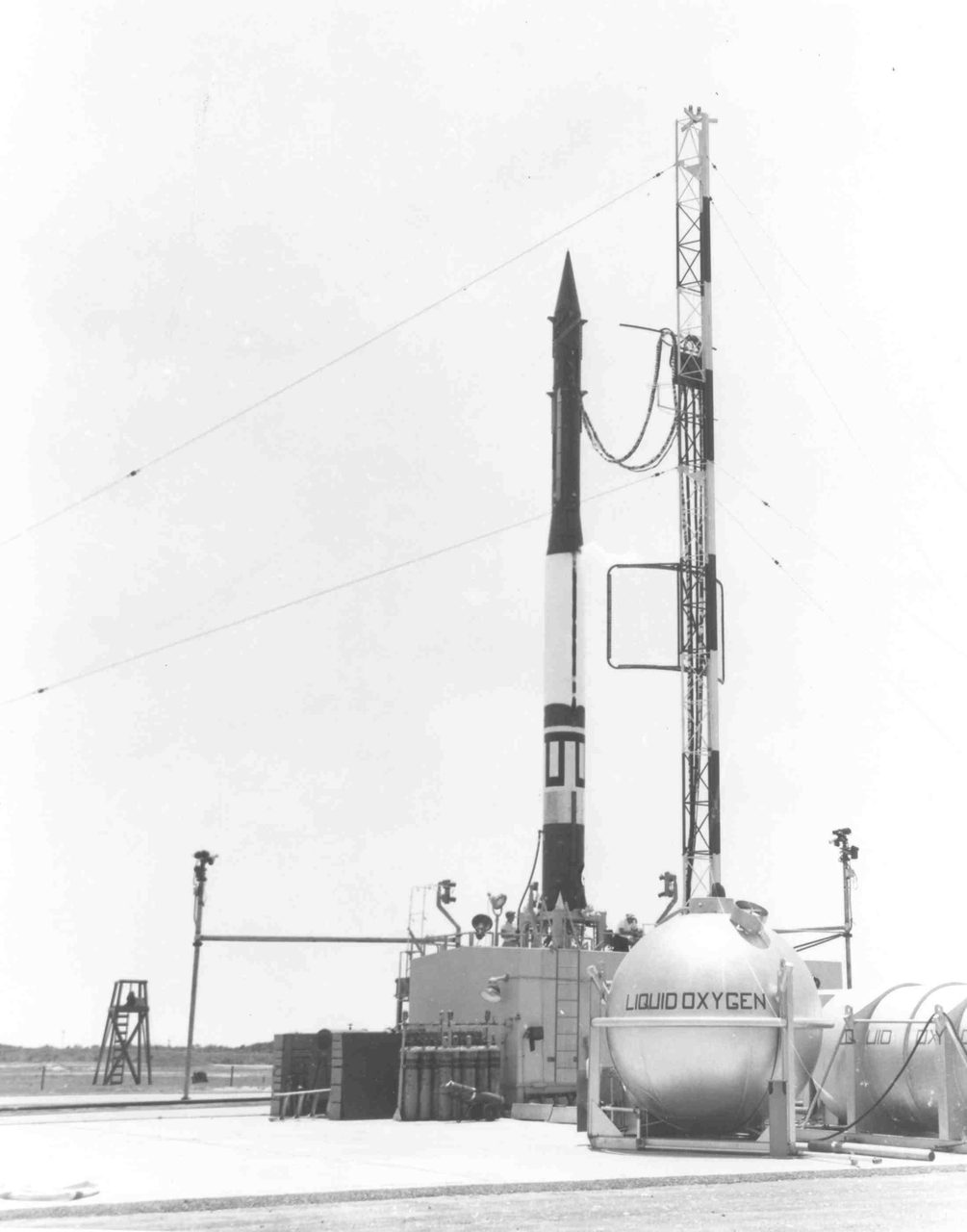
The primary mission of Vanguard 1 was to demonstrate the feasibility of satellite launch and to gather geophysical data. Equipped with two radio transmitters, it provided valuable information on the Earth's geoid (the shape of the Earth) and contributed to the understanding of the Earth's atmosphere by measuring the density of air at high altitudes. The satellite's mission was part of the International Geophysical Year (IGY), a global effort to advance scientific knowledge through coordinated observations.
Orbital Characteristics
Vanguard 1 was placed into a medium Earth orbit with a NORAD ID of 00005. It has an orbital inclination of 34.2 degrees and an apogee (farthest point from Earth) of approximately 3,969 kilometres, with a perigee (closest point) of about 654 kilometres. The satellite completes an orbit around the Earth approximately every 133 minutes. Its small size, with a diameter of just 16.5 centimetres and a mass of 1.47 kilograms, has contributed to its longevity in orbit.
Significance and Legacy
Vanguard 1's successful launch marked a significant milestone in space exploration, demonstrating the potential for satellite-based scientific research. Its data helped refine models of the Earth's shape and atmospheric density, which were crucial for the development of future space missions. As the oldest satellite still in orbit, Vanguard 1 serves as a testament to the durability of early space technology and remains a symbol of the dawn of the space age.
Current Status
Though Vanguard 1's transmitters ceased operation in 1964, the satellite continues to orbit the Earth. It is now considered space debris, but its presence provides valuable data for tracking the long-term behaviour of objects in space. The satellite's current status can be monitored through the Orbital Radar Satellite Library, which provides detailed information on active and inactive satellites. Vanguard 1 is expected to remain in orbit for many more centuries, a silent witness to the evolution of human space exploration.
📎 Cite this article
Orbital Radar Newsroom. (2026). Vanguard 1: The Oldest Satellite Still in Orbit. Orbital Radar. https://orbitalradar.com/blog/vanguard-1-oldest-satellite-orbit"Vanguard 1: The Oldest Satellite Still in Orbit." Orbital Radar, 29 July 2026, https://orbitalradar.com/blog/vanguard-1-oldest-satellite-orbit.@misc{orbitalradar_vanguard_1_oldest_satellite_orbit,
title = {Vanguard 1: The Oldest Satellite Still in Orbit},
author = {{Orbital Radar}},
year = {2026},
howpublished = {\url{https://orbitalradar.com/blog/vanguard-1-oldest-satellite-orbit}}
}