Starlink: The Mega-Constellation Reshaping Orbit
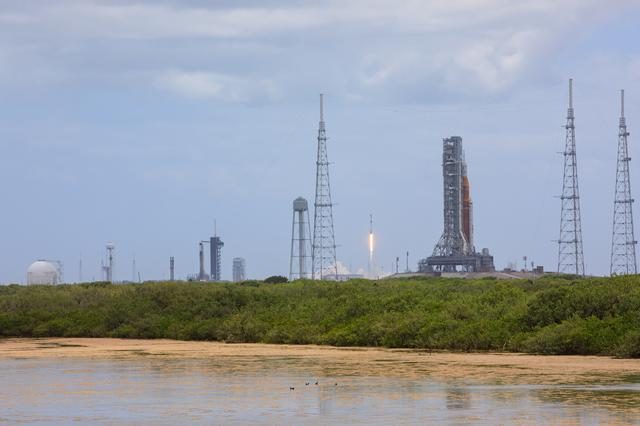
Starlink is a satellite internet constellation developed by SpaceX, designed to provide high-speed broadband internet across the globe, particularly in remote and underserved areas. As of now, it comprises 10,897 active satellites, making it the largest satellite constellation ever deployed.
What is Starlink?
Starlink is a satellite internet constellation developed by SpaceX, designed to provide high-speed broadband internet across the globe, particularly in remote and underserved areas. As of now, it comprises 10,897 active satellites, making it the largest satellite constellation ever deployed. The project aims to bridge the digital divide by offering internet access where traditional infrastructure is impractical.
Mission and Purpose
The primary mission of Starlink is to deliver reliable and fast internet connectivity worldwide. By deploying thousands of small satellites in low Earth orbit (LEO), SpaceX intends to create a network capable of providing internet services with low latency and high bandwidth. This ambitious project also aims to fund SpaceX's long-term goals, including the colonisation of Mars. The global reach of Starlink's network could revolutionise internet access, potentially transforming how communities interact with digital technologies.
Orbital Characteristics
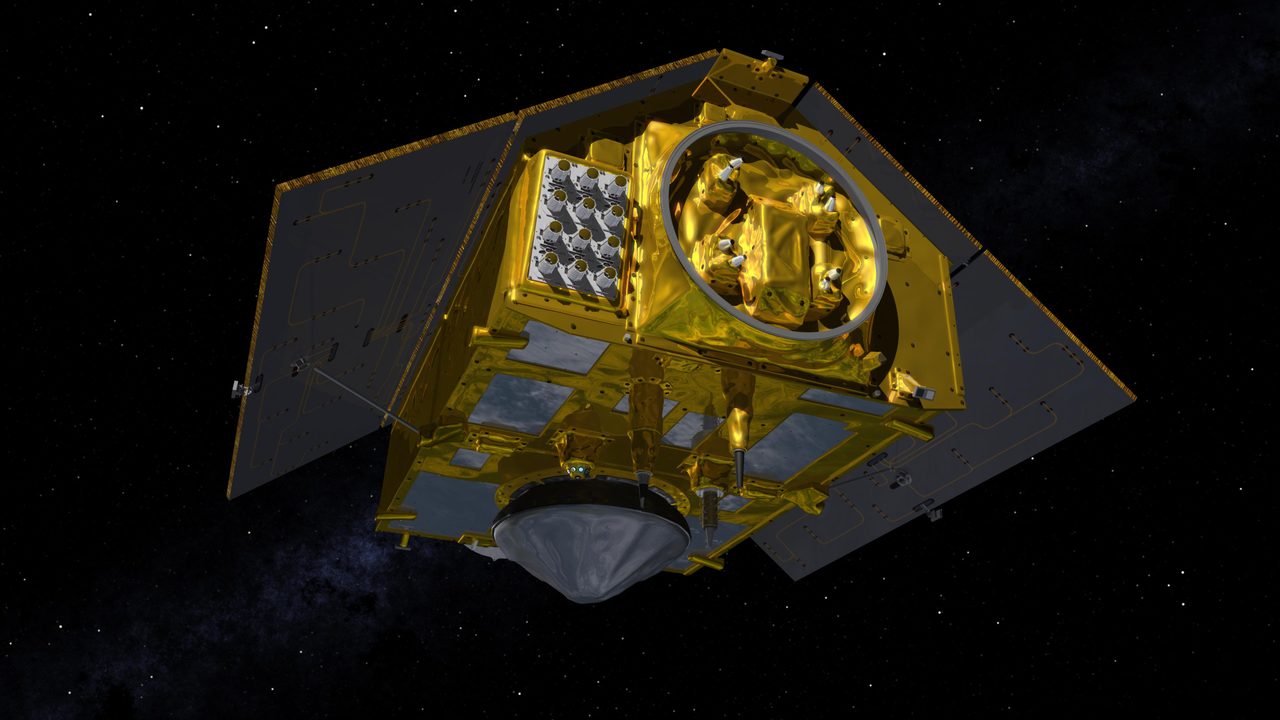
Starlink satellites are positioned in low Earth orbit, typically at altitudes of around 550 km, with an inclination of 53 degrees. This allows them to cover a wide swath of the Earth's surface. Each satellite completes an orbit approximately every 90 minutes. The satellites are equipped with phased array antennas and ion thrusters for manoeuvring and maintaining their orbits. The NORAD ID for a typical Starlink satellite can be found in the Orbital Radar Satellite Library.
Significance and Legacy
Starlink's impact on the global satellite landscape is profound. With over 10,000 satellites, it represents a significant portion of the 18,536 active satellites currently in orbit. The constellation's scale has raised concerns about space debris and orbital congestion, issues that are actively monitored using tools like the Orbital Radar Debris Map. Despite these challenges, Starlink's potential to democratise internet access is seen as a major step forward in global connectivity.
Current Status
As of now, Starlink has launched 10,898 satellites, with 9,697 operational, 932 in the process of raising their orbits, and 269 in the deorbiting phase. The constellation also includes 7,249 V2 Mini satellites. Starlink's progress can be tracked using the Orbital Radar Starlink Tracker, which provides real-time data on satellite positions and visible passes. The constellation is continuously expanding, with new launches regularly scheduled.
📎 Cite this article
Orbital Radar Newsroom. (2026). Starlink: The Mega-Constellation Reshaping Orbit. Orbital Radar. https://orbitalradar.com/blog/starlink-mega-constellation-orbit"Starlink: The Mega-Constellation Reshaping Orbit." Orbital Radar, 6 August 2026, https://orbitalradar.com/blog/starlink-mega-constellation-orbit.@misc{orbitalradar_starlink_mega_constellation_orbit,
title = {Starlink: The Mega-Constellation Reshaping Orbit},
author = {{Orbital Radar}},
year = {2026},
howpublished = {\url{https://orbitalradar.com/blog/starlink-mega-constellation-orbit}}
}