Space News Mission Log — Satellite Launches, Orbital Events & Analysis
Daily space news, satellite launch reports, orbital debris analysis and weekly roundups — grounded in live tracking data from our network monitoring 158 published reports.
Active Debris Removal: Technologies Cleaning Up Space
Active debris removal involves technologies designed to clean up space junk, ensuring sustainable orbits for future missions.
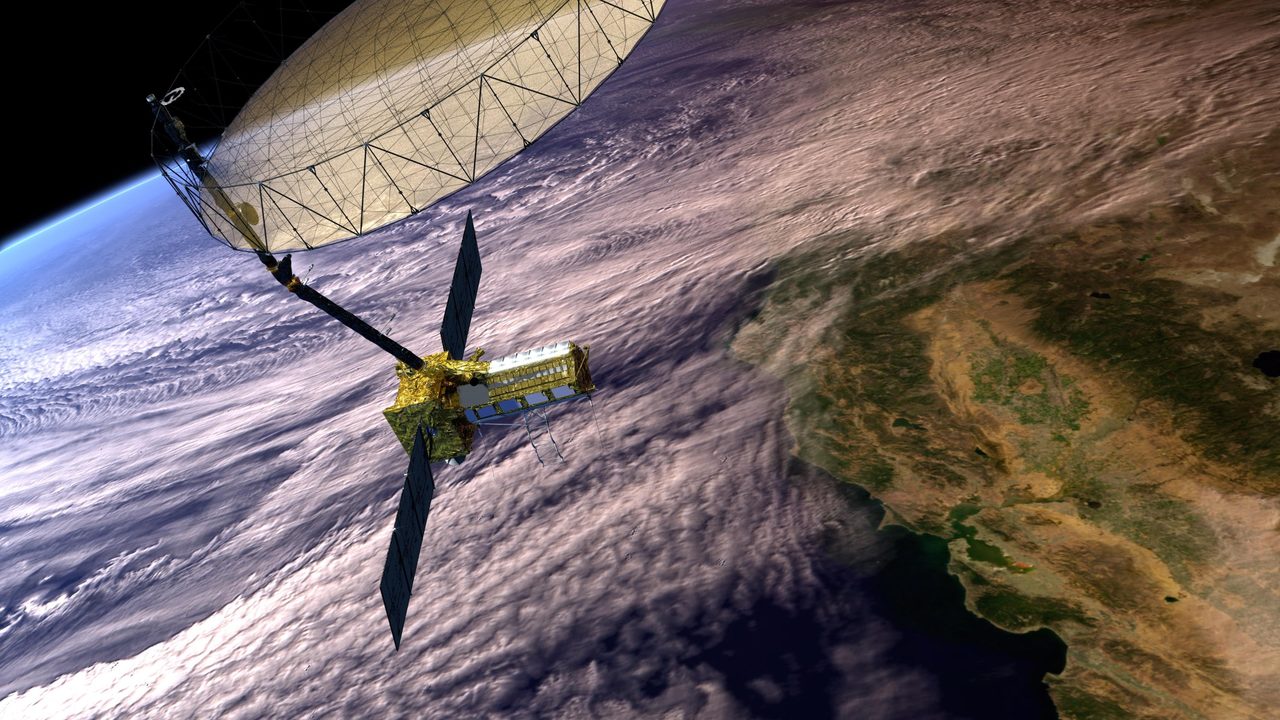
How Satellites Are Tracked: A Comprehensive Guide
Satellites are tracked using radar, optical telescopes, and radio signals, ensuring precise orbital data for over 28,000 objects.
Understanding Satellite Constellation Phasing: A Complete Guide
Constellation phasing is the process of arranging satellites in a constellation to ensure optimal coverage and functionality. Learn how it affects global satellite networks.
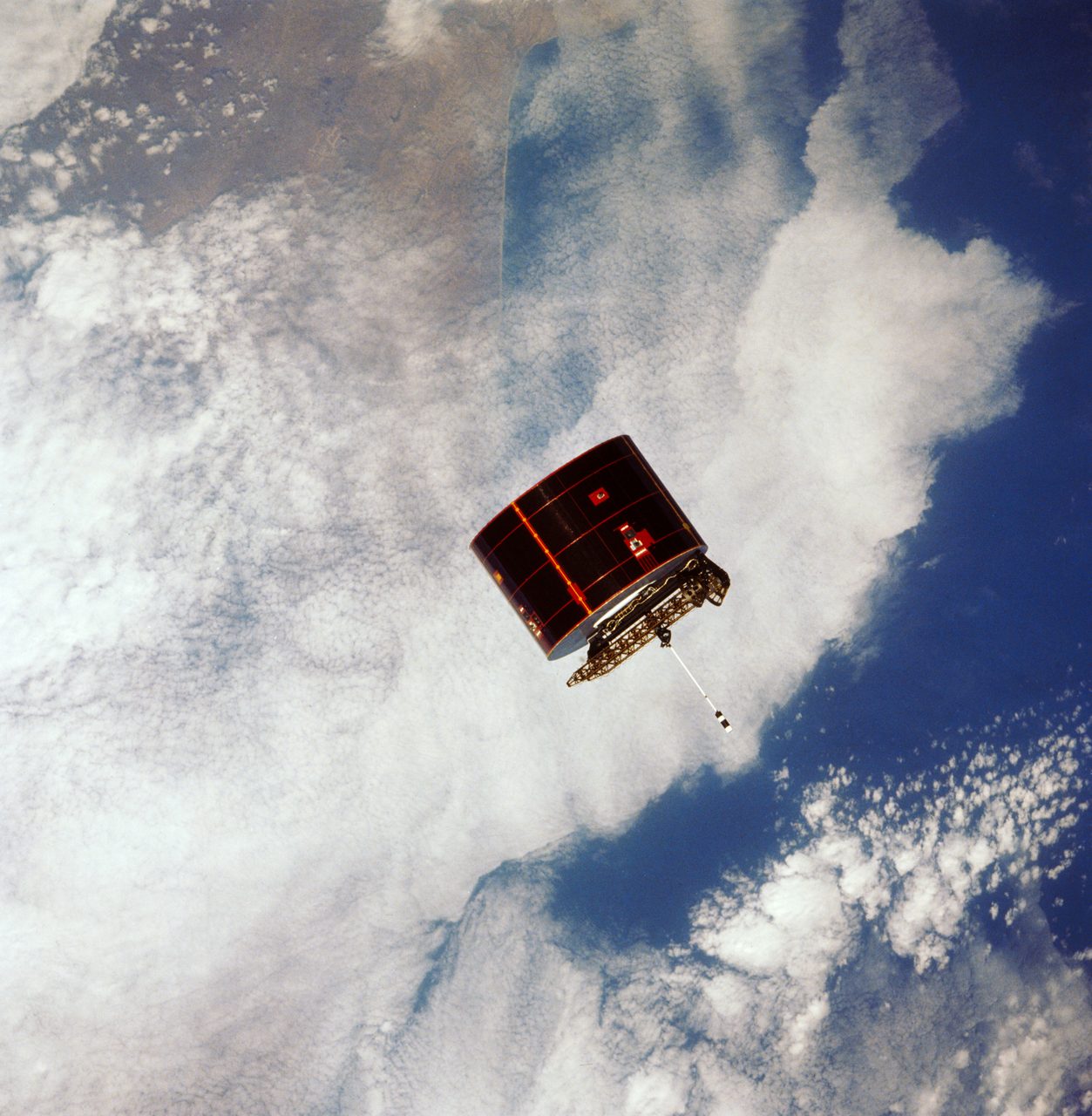
How Long Do Satellites Last? A Comprehensive Guide
Satellites typically last between 5 to 15 years, depending on their mission and orbit. Factors like orbital decay and technological obsolescence play key roles.
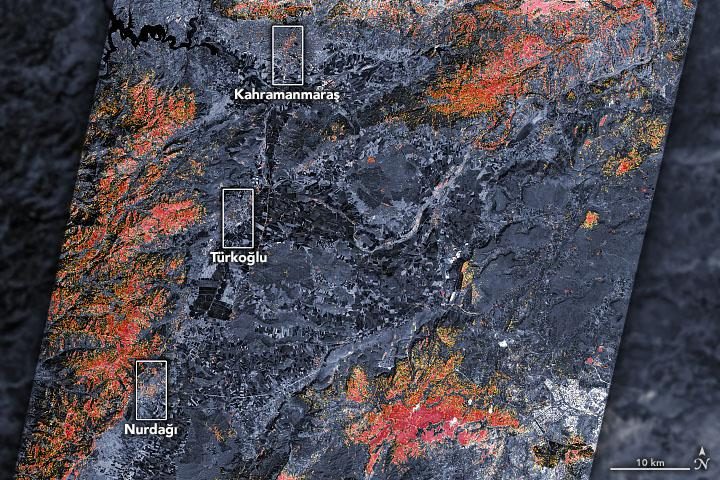
What Satellite Is Above Me Right Now? A Comprehensive Guide
Find out which satellite is currently above you by using real-time tracking tools. Understand satellite types, orbits, and how to observe them.
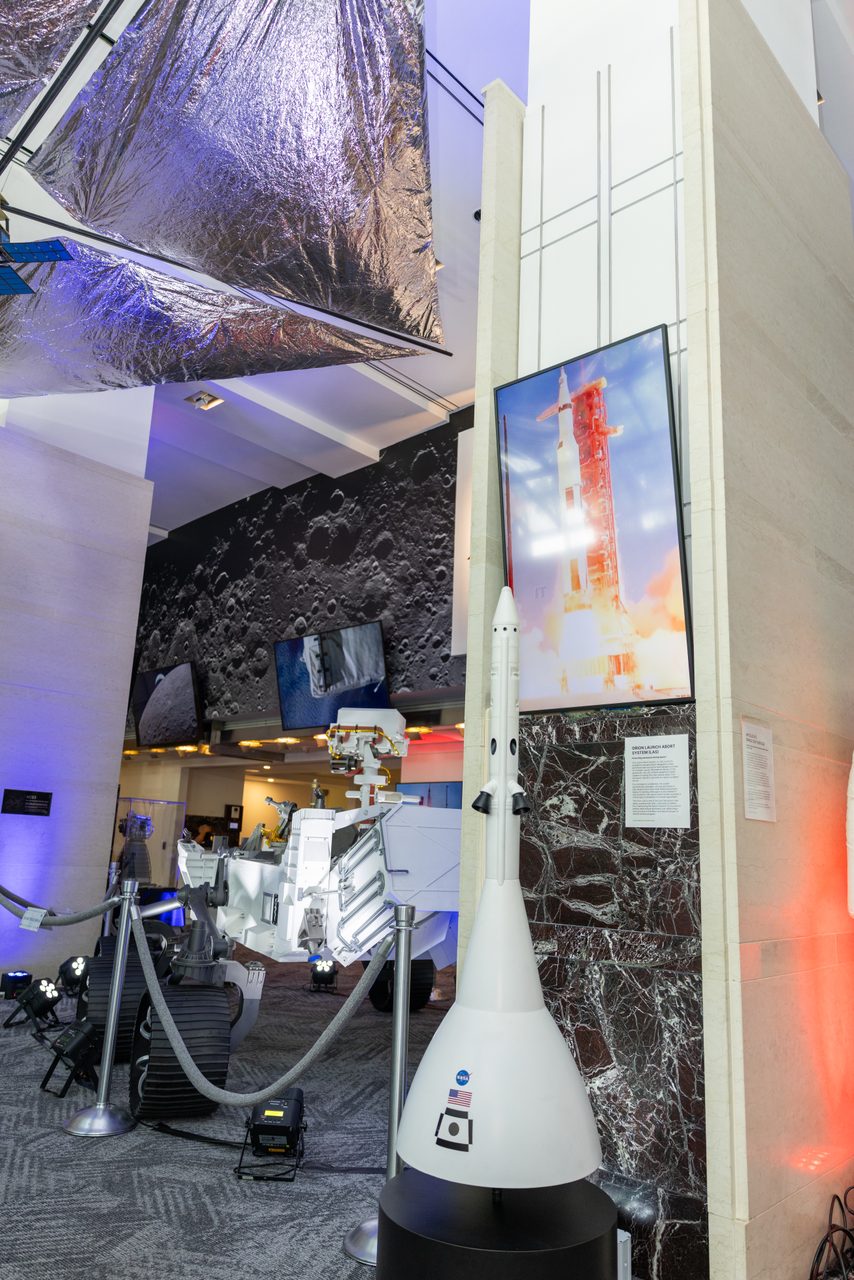
NASA Partners with Small Businesses, Aeolus-2 Satellite Announced
NASA partners with SBA to support space tech innovation. Airbus to build Aeolus-2 for global wind monitoring.
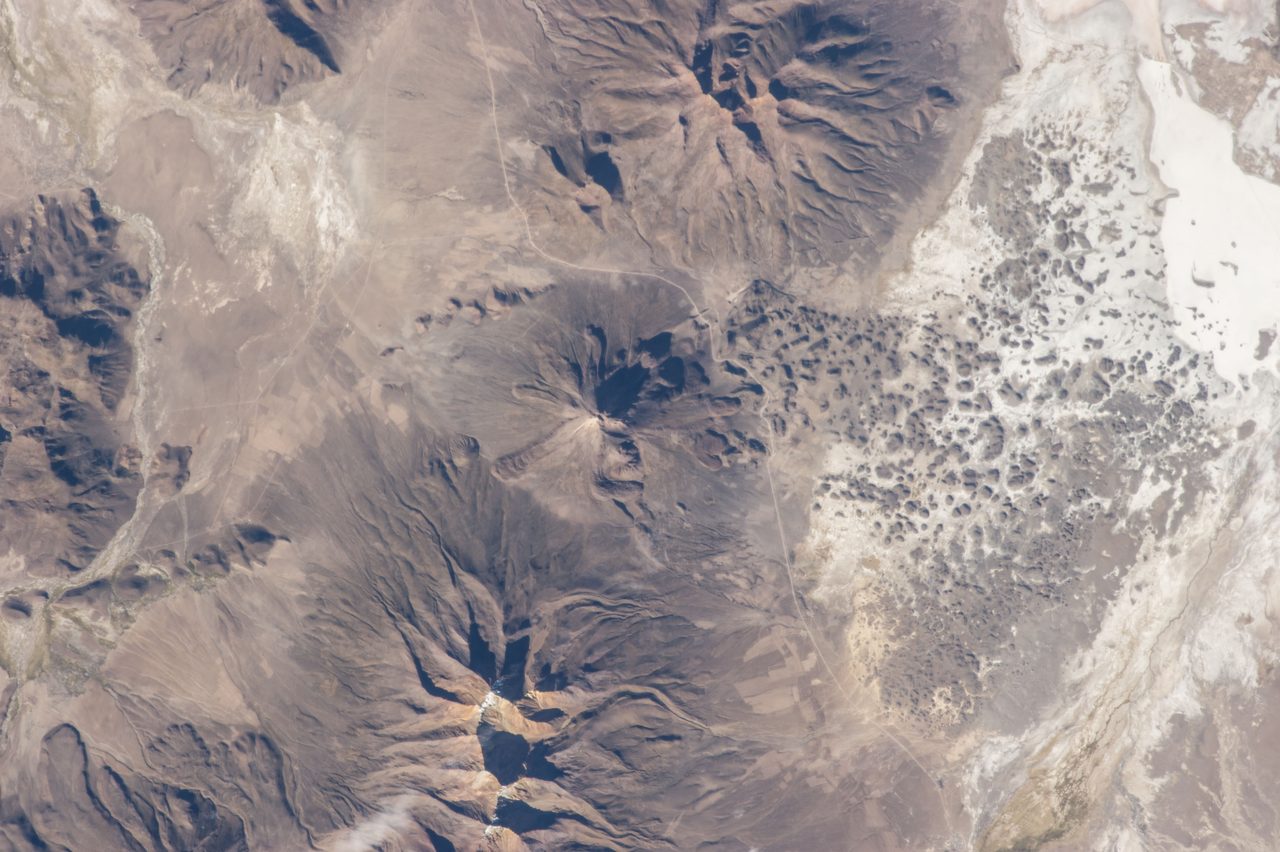
Who Tracks Space Debris? Inside the Global Surveillance Network
Space debris is tracked by a global network of agencies monitoring 28,886 objects, ensuring orbital safety and sustainability.

Geostationary Orbit: How Satellites Hover Over One Spot
Geostationary orbit allows satellites to remain fixed over a single Earth location, crucial for communications and weather monitoring.
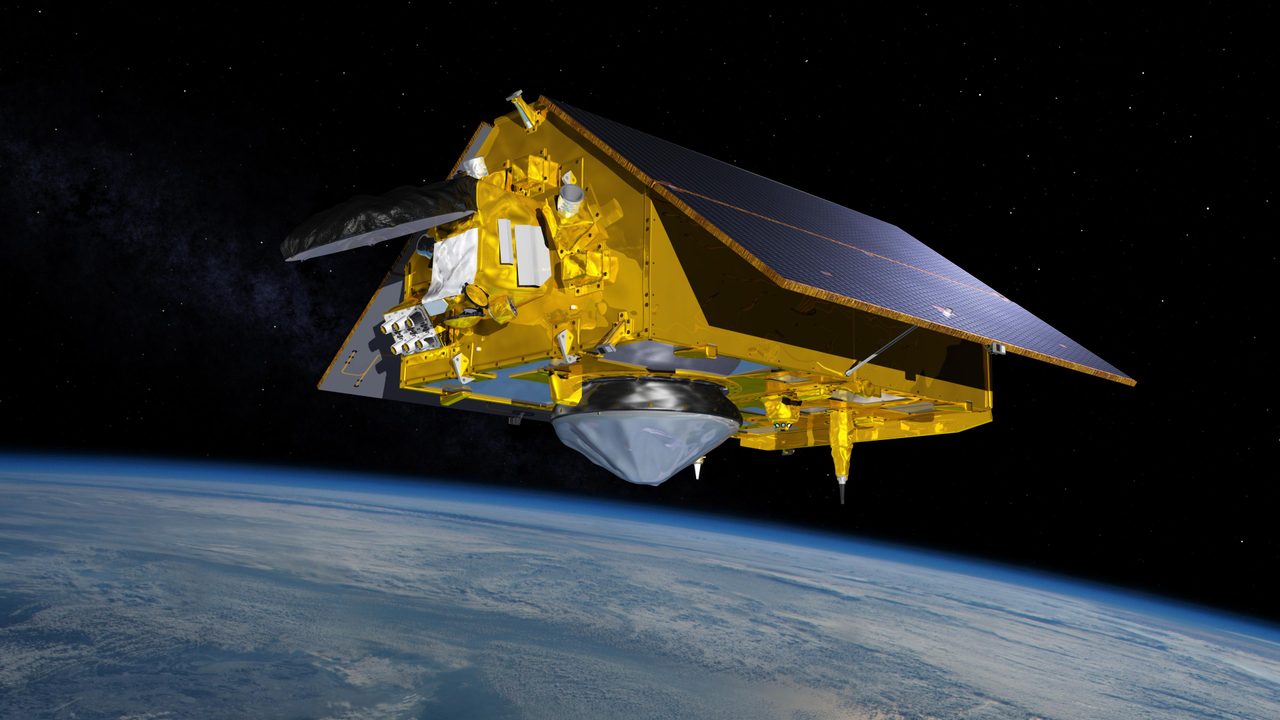
Skylens AR: Your Guide to Satellite Identification Using Augmented Reality
Skylens AR uses augmented reality to help users identify satellites in real-time by pointing their phones at the sky.
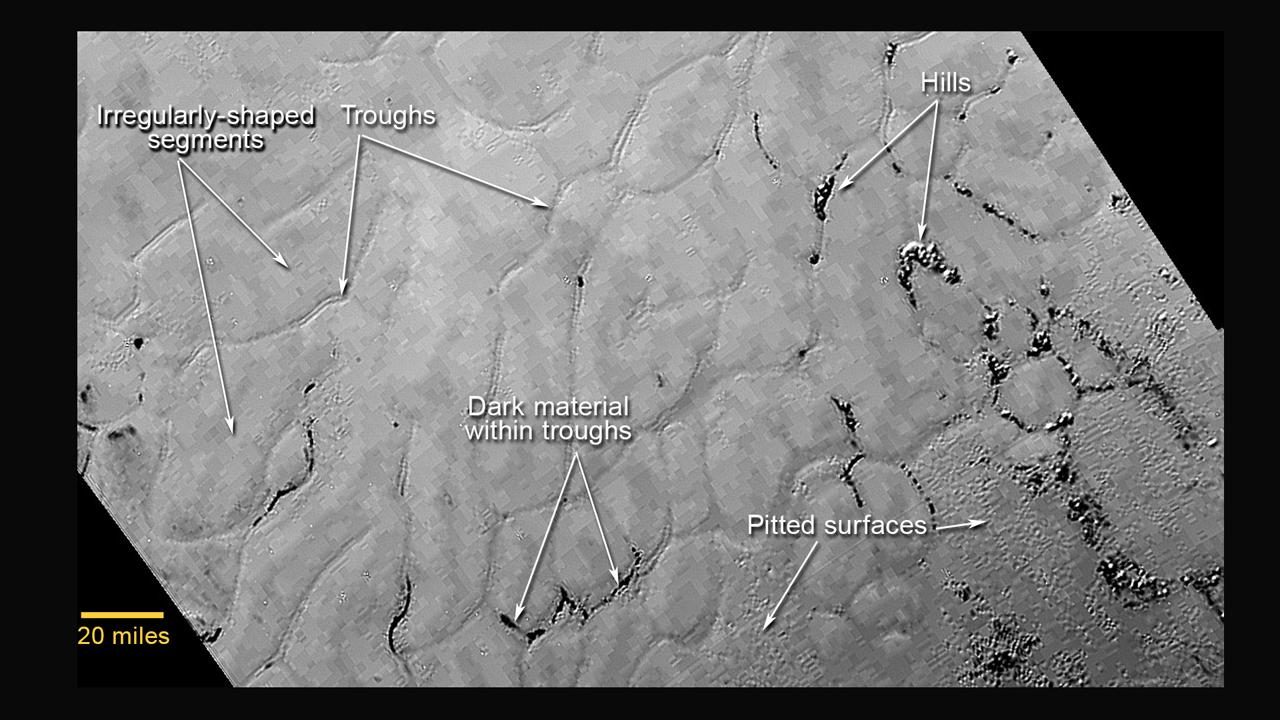
Sputnik 1: The Satellite That Started the Space Age
Sputnik 1 was the first artificial satellite to orbit the Earth, marking the beginning of the Space Age. Launched by the Soviet Union on 4 October 1957, it was a spherical satellite with a diameter of 58 cm and a weight of 83.6 kg.
China's Space Programme: A Comprehensive Overview
China's space programme, led by the CNSA, is a major force in global space exploration, with significant achievements in satellite deployment and lunar exploration.
Understanding Sun-Synchronous Orbits: Consistent Sunlight for Satellites
A sun-synchronous orbit allows satellites to maintain consistent sunlight exposure, crucial for imaging and Earth observation tasks.