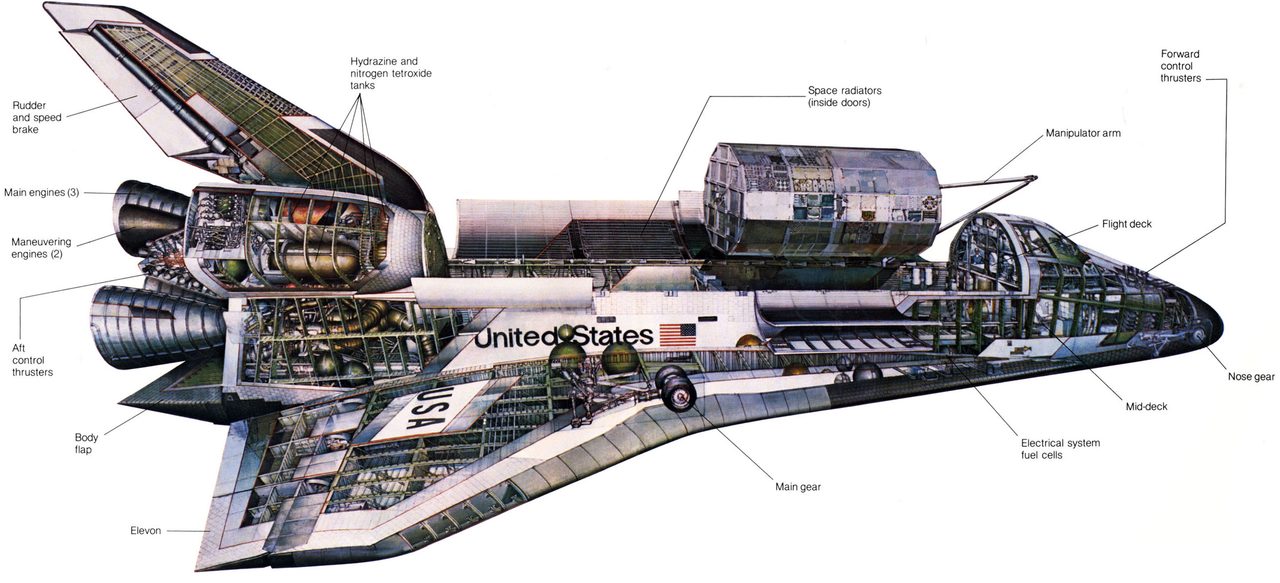
Active Debris Removal: Technologies Cleaning Up Space
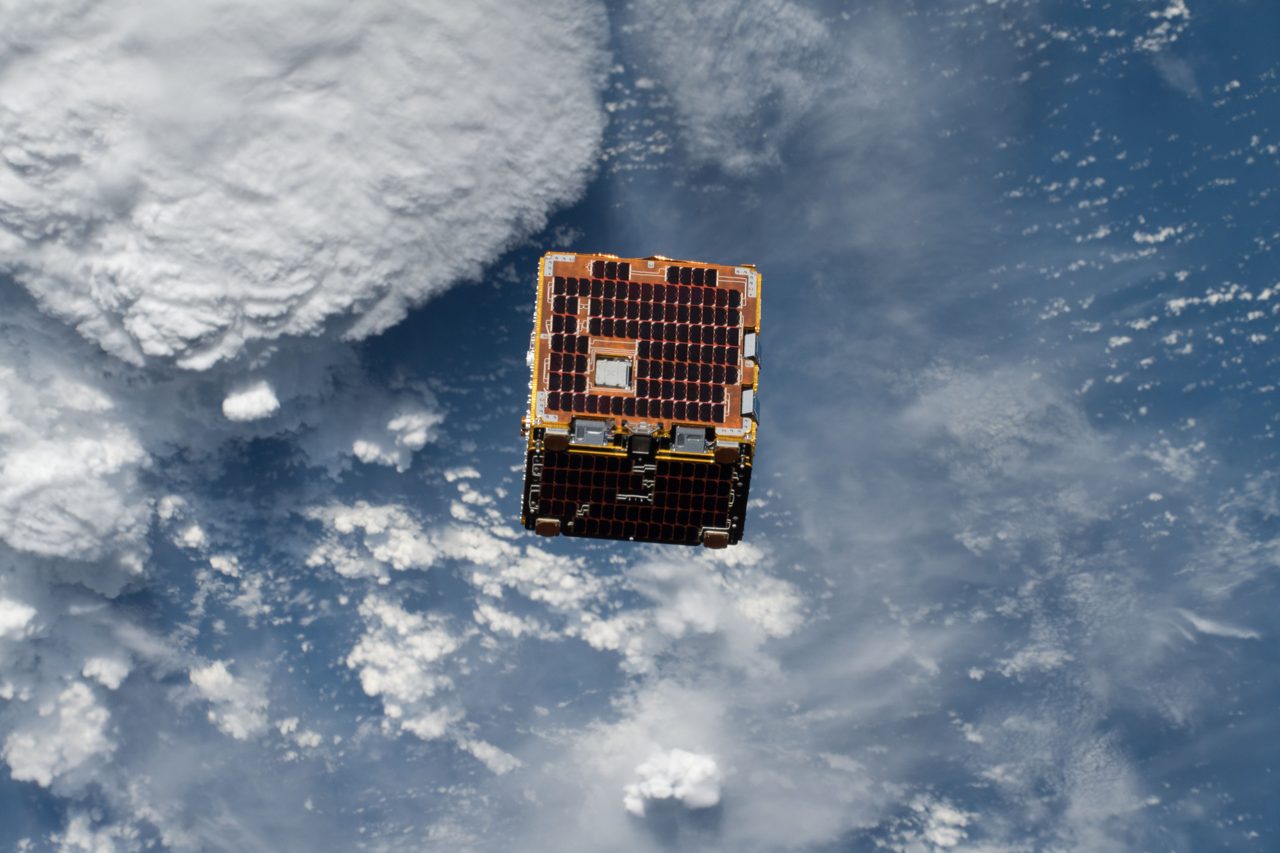
Active debris removal involves technologies designed to clean up space junk, ensuring sustainable orbits for future missions.
Active debris removal refers to the technologies and methods used to capture and dispose of defunct satellites and other space debris. With over 29,435 catalogued objects in orbit, including 8,888 pieces of debris, these technologies are crucial for maintaining safe and sustainable space operations.
Why Active Debris Removal Matters
The proliferation of space debris poses significant risks to operational satellites and space missions. With 18,045 active satellites in orbit, the potential for collisions increases as the number of debris objects grows. Active debris removal helps mitigate these risks by reducing the number of potential collision threats.
Current Technologies in Active Debris Removal
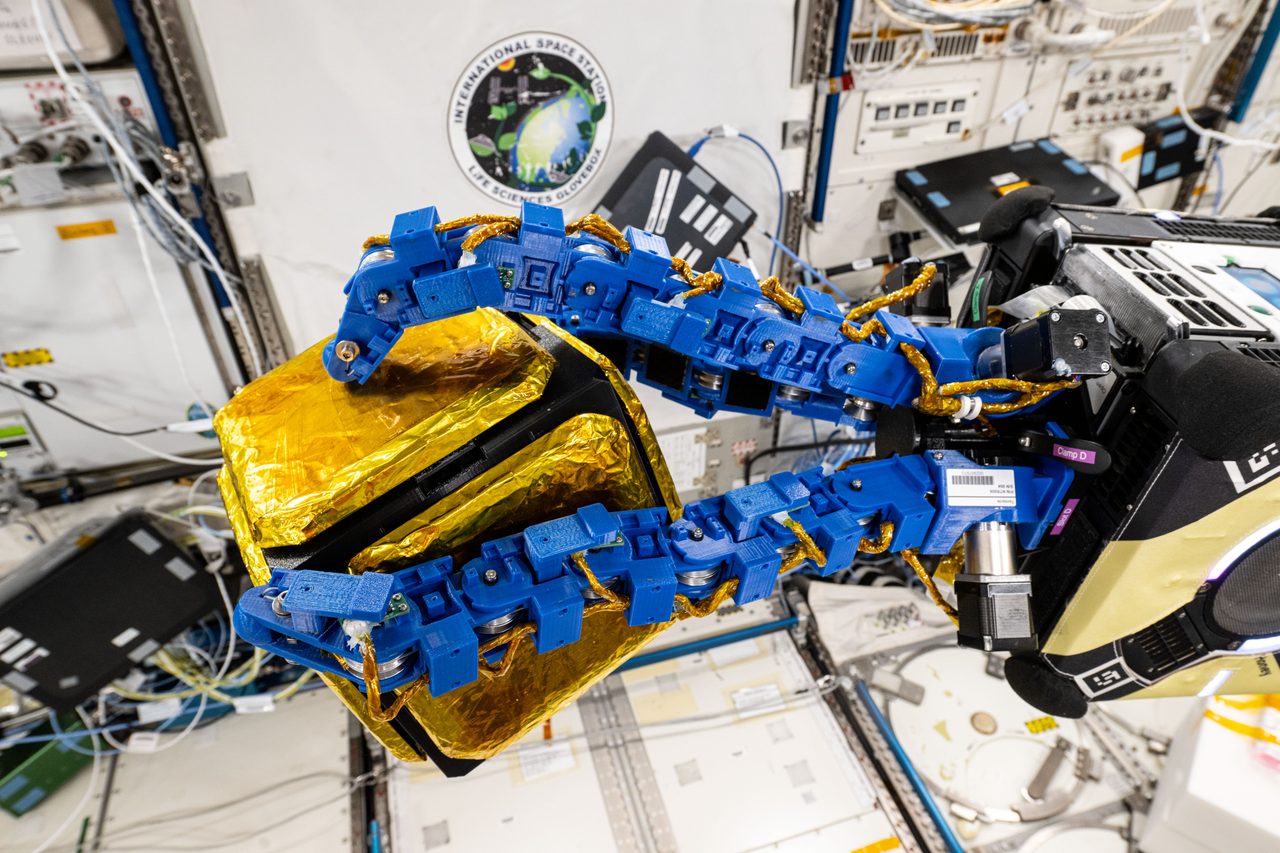
Several technologies are being developed to tackle space debris. These include robotic arms, nets, harpoons, and laser systems. Each method has its own advantages and challenges, such as the need for precision in robotic arms or the energy requirements of laser systems. The European Space Agency's ClearSpace-1 mission, for instance, aims to use a robotic arm to capture a defunct payload adapter.
Challenges in Implementing Debris Removal
Active debris removal faces numerous challenges, including the high cost of missions, legal and regulatory issues, and the technical difficulties of capturing fast-moving objects. The legal framework for debris removal is complex, as it involves international agreements and the ownership of space objects.
International Cooperation and Policy
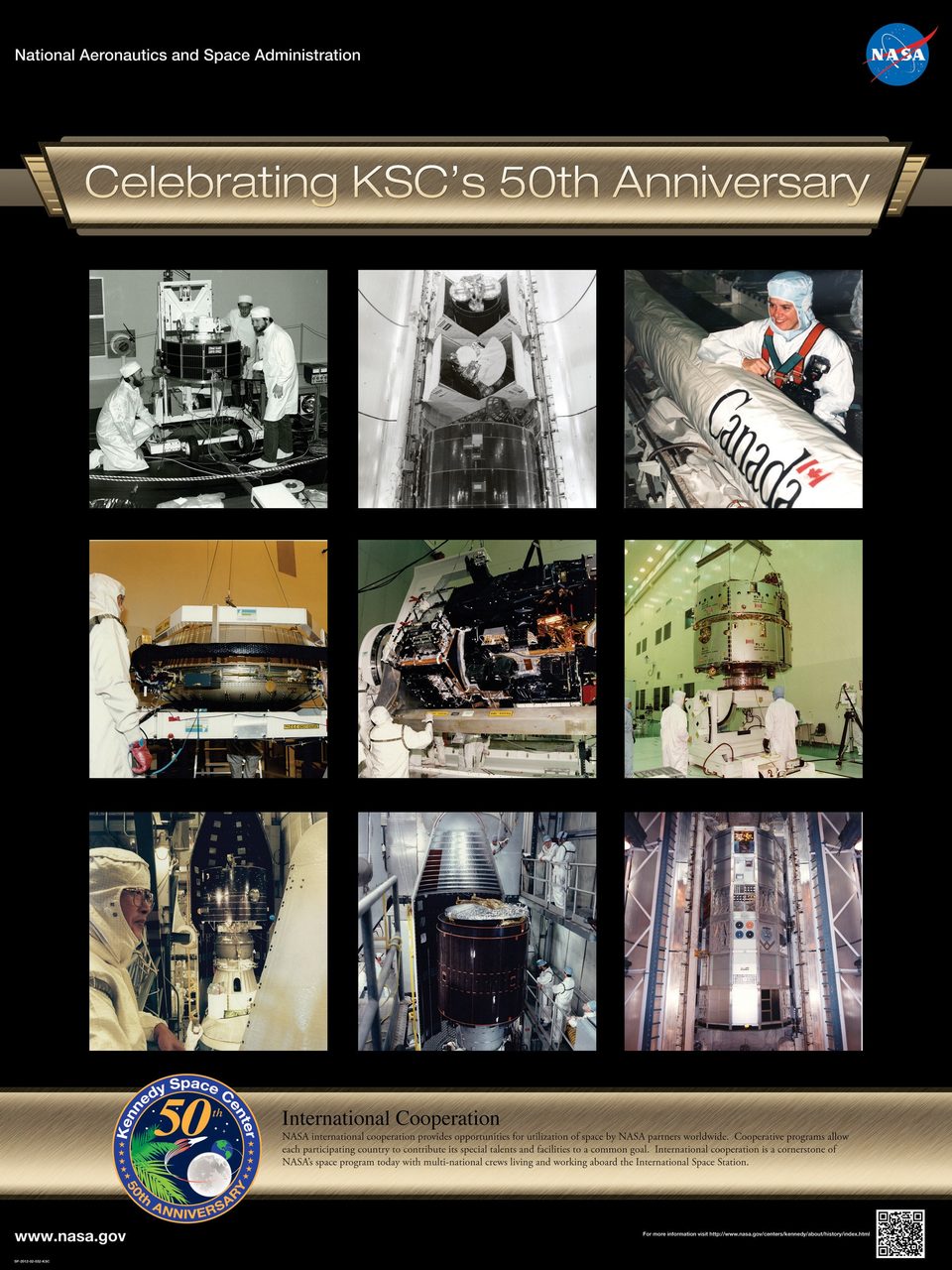
International cooperation is essential for effective debris removal. Organisations like the Inter-Agency Space Debris Coordination Committee (IADC) work to establish guidelines and share best practices. Policies that encourage debris mitigation and removal are crucial for ensuring long-term orbital sustainability.
Future Prospects for Debris Removal

The future of active debris removal looks promising, with advancements in autonomous systems and AI potentially enhancing the efficiency of debris capture. As the number of satellites, such as the 9,807 active Starlink units, continues to grow, the need for effective debris management becomes increasingly urgent.
Key Takeaways
Active debris removal is a critical component of maintaining a sustainable space environment. With over 29,433 tracked objects, the need for effective technologies and international cooperation is evident. Continued innovation and policy development will be essential to address the growing challenge of space debris.
Frequently Asked Questions
What is active debris removal?
Why is space debris a problem?
How does a robotic arm remove debris?
What are the legal challenges of debris removal?
What role does international cooperation play in debris removal?
📎 Cite this article
Orbital Radar Newsroom. (2026). Active Debris Removal: Technologies Cleaning Up Space. Orbital Radar. https://orbitalradar.com/blog/active-debris-removal-technologies"Active Debris Removal: Technologies Cleaning Up Space." Orbital Radar, 22 May 2026, https://orbitalradar.com/blog/active-debris-removal-technologies.@misc{orbitalradar_active_debris_removal_technologies,
title = {Active Debris Removal: Technologies Cleaning Up Space},
author = {{Orbital Radar}},
year = {2026},
howpublished = {\url{https://orbitalradar.com/blog/active-debris-removal-technologies}}
}