SpaceX AI Satellites: Pioneering Autonomous Space Operations
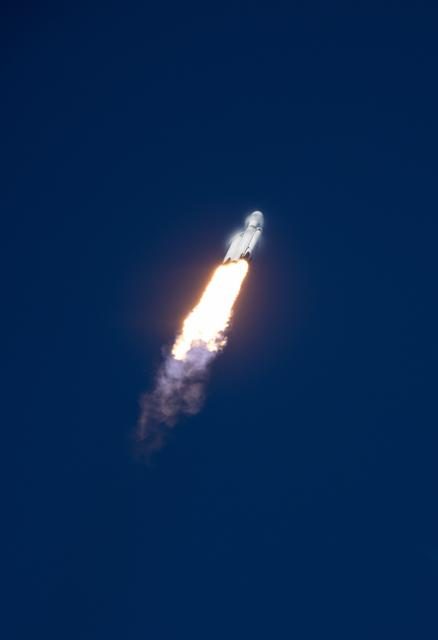
SpaceX's AI satellites are revolutionising autonomous space operations by enhancing satellite communication and navigation capabilities.
SpaceX's AI satellites are at the forefront of transforming autonomous space operations by integrating advanced artificial intelligence technologies into satellite systems. These satellites enhance communication, navigation, and data processing capabilities, allowing for more efficient and reliable space missions. As of 2023, SpaceX has launched over 10,605 active Starlink satellites, many of which incorporate AI-driven features to optimise their operations.
The Role of AI in Satellite Technology
Artificial intelligence in satellites enables autonomous decision-making, reducing the need for constant ground-based control. AI systems can process vast amounts of data in real-time, allowing satellites to adapt to changing conditions and optimise their functions. This is particularly beneficial for communication satellites like those in the Starlink constellation, which require constant adjustments to maintain network coverage and quality.
Starlink: A Testbed for AI Innovations
Starlink, SpaceX's ambitious satellite internet project, serves as a testbed for AI innovations. The constellation's satellites are equipped with AI capabilities that manage their orbits and communication links autonomously. This reduces latency and improves service reliability, making Starlink a competitive player in the global internet service market. The Starlink Tracker provides real-time updates on these satellites' positions and operational status.
Challenges in Autonomous Space Operations
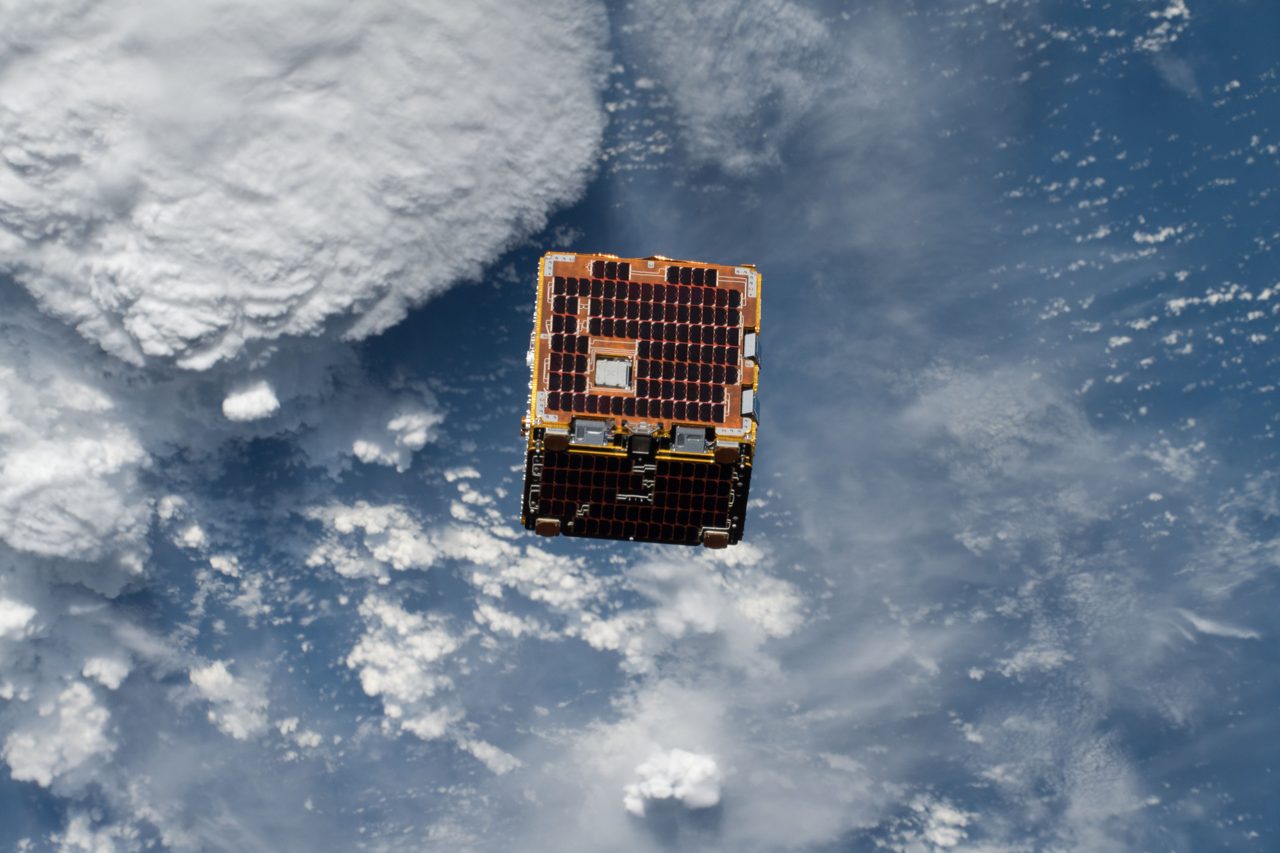
Despite the advantages, autonomous space operations face challenges such as space debris and cybersecurity threats. With over 28,605 tracked objects in orbit, collision avoidance is a critical task for AI systems. SpaceX's AI satellites are designed to autonomously manoeuvre to avoid debris, a capability that is essential given the crowded orbital environment. The Debris Map offers insights into the current debris situation and potential risks.
Future Prospects for AI Satellites
The future of AI satellites is promising, with potential applications extending beyond communication to include Earth observation, climate monitoring, and deep space exploration. As AI technology advances, satellites will become more autonomous, capable of conducting complex missions with minimal human intervention. This evolution will likely lead to more efficient and cost-effective space operations, paving the way for new scientific discoveries and commercial opportunities.
Key Takeaways
SpaceX's integration of AI into its satellite technology marks a significant advancement in autonomous space operations. These systems enhance operational efficiency, reduce costs, and mitigate risks associated with human error and space debris. As the technology evolves, AI satellites will play a crucial role in expanding the capabilities of space missions and services.
Frequently Asked Questions
How do AI satellites improve space operations?
What is the role of AI in SpaceX's Starlink satellites?
What challenges do autonomous satellites face?
What future applications are there for AI satellites?
📎 Cite this article
Orbital Radar Newsroom. (2026). SpaceX AI Satellites: Pioneering Autonomous Space Operations. Orbital Radar. https://orbitalradar.com/blog/spacex-ai-satellites-autonomous-operations"SpaceX AI Satellites: Pioneering Autonomous Space Operations." Orbital Radar, 19 June 2026, https://orbitalradar.com/blog/spacex-ai-satellites-autonomous-operations.@misc{orbitalradar_spacex_ai_satellites_autonomous_operatio,
title = {SpaceX AI Satellites: Pioneering Autonomous Space Operations},
author = {{Orbital Radar}},
year = {2026},
howpublished = {\url{https://orbitalradar.com/blog/spacex-ai-satellites-autonomous-operations}}
}