The Evolution of EchoStar: From First Launch to Present

EchoStar has evolved from launching its first satellite in 1995 to becoming a key player in global communications technology.
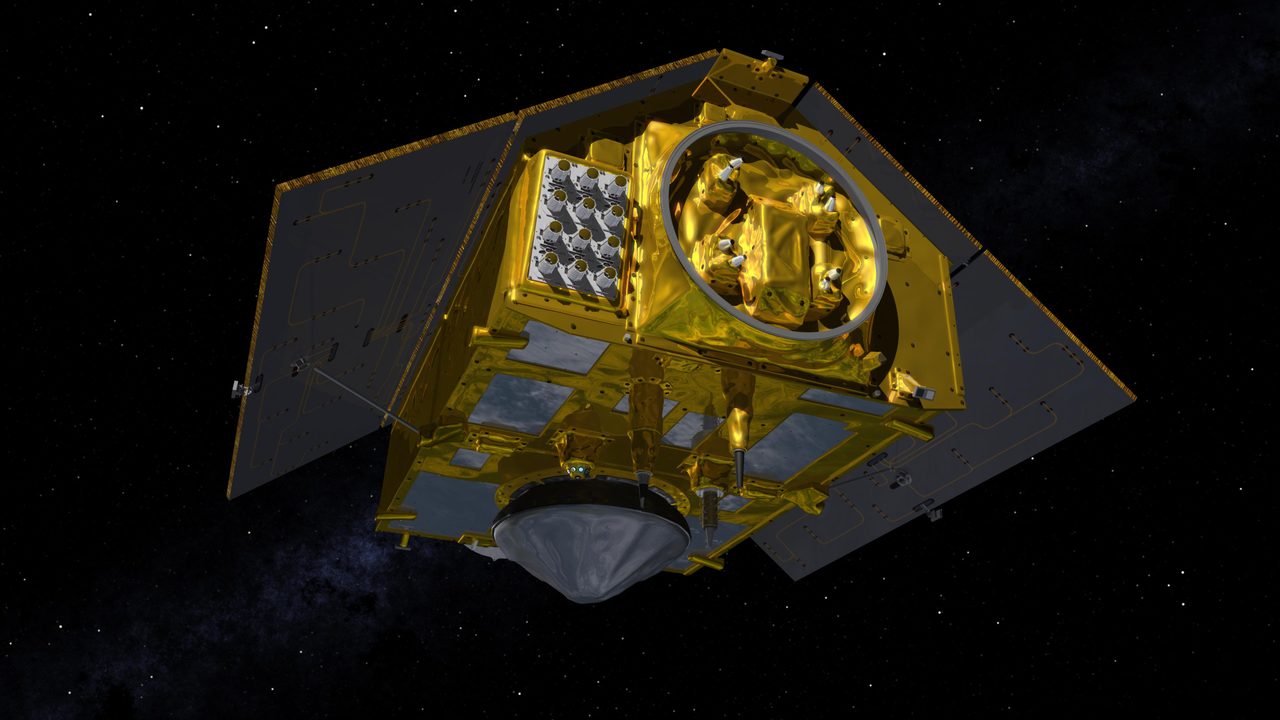
EchoStar's journey began with the launch of its first satellite, EchoStar I, on December 28, 1995. Since then, the company has grown into a major provider of satellite communication services, with a fleet of satellites that support television, internet, and data services globally.
Early Years and Initial Launches
EchoStar I, with NORAD ID 23754, was launched aboard a Long March 2E rocket from Xichang Satellite Launch Center. This initial satellite was pivotal in establishing EchoStar as a direct broadcast satellite service provider. The success of EchoStar I led to subsequent launches, including EchoStar II and III, which expanded the company's service capabilities.
Technological Advancements and Fleet Expansion
Throughout the 2000s, EchoStar continued to innovate, launching advanced satellites like EchoStar IX in 2003, which featured the first commercial Ka-band payload. This technology allowed for higher data throughput and improved service quality. By 2023, EchoStar's fleet included over a dozen operational satellites, providing a range of services from broadcasting to broadband internet.
Strategic Partnerships and Acquisitions
EchoStar's growth strategy included key partnerships and acquisitions, such as the merger with Hughes Communications in 2011. This move significantly enhanced EchoStar's broadband service capabilities. The company's strategic positioning in the market is reflected in its diverse offerings, catering to both consumer and enterprise needs.
Current Operations and Future Prospects
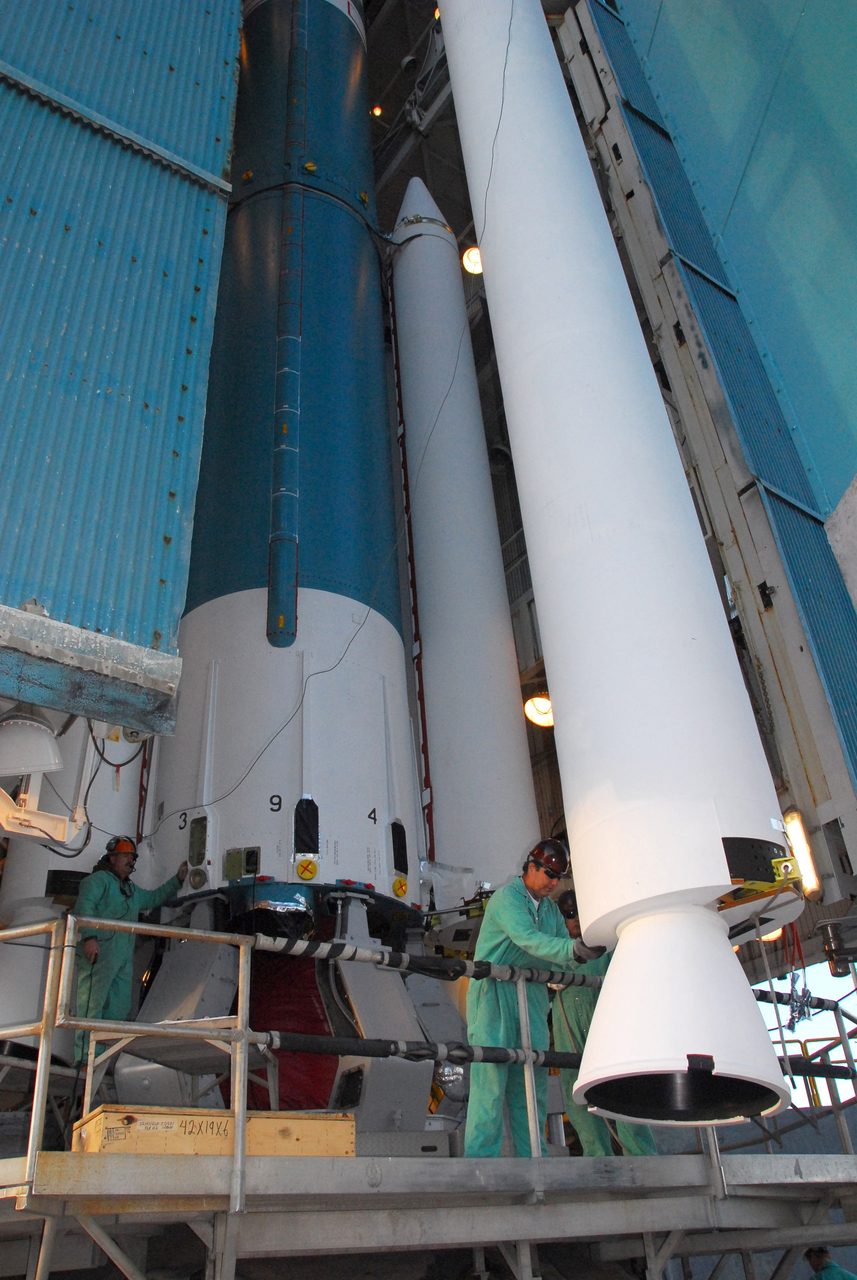
Today, EchoStar continues to be a leader in satellite communications, with a focus on expanding its global reach and service offerings. The company is exploring new technologies, such as low Earth orbit (LEO) satellites, to complement its existing geostationary fleet. EchoStar's future plans include collaborations with other space entities, which can be tracked on the Launch Schedule.
Key Takeaways
EchoStar has evolved significantly since its first satellite launch, becoming a key player in global communications. Its strategic growth through technological innovation and partnerships has positioned it to continue leading in the satellite industry. For further details on EchoStar's current satellite fleet, visit the Satellite Library.
Frequently Asked Questions
When was EchoStar's first satellite launched?
What services does EchoStar provide?
How has EchoStar expanded its satellite fleet?
What are EchoStar's future plans?
Where can I find more information about EchoStar's satellites?
📎 Cite this article
Orbital Radar Newsroom. (2026). The Evolution of EchoStar: From First Launch to Present. Orbital Radar. https://orbitalradar.com/blog/evolution-echostar-first-launch-present"The Evolution of EchoStar: From First Launch to Present." Orbital Radar, 19 June 2026, https://orbitalradar.com/blog/evolution-echostar-first-launch-present.@misc{orbitalradar_evolution_echostar_first_launch_present,
title = {The Evolution of EchoStar: From First Launch to Present},
author = {{Orbital Radar}},
year = {2026},
howpublished = {\url{https://orbitalradar.com/blog/evolution-echostar-first-launch-present}}
}