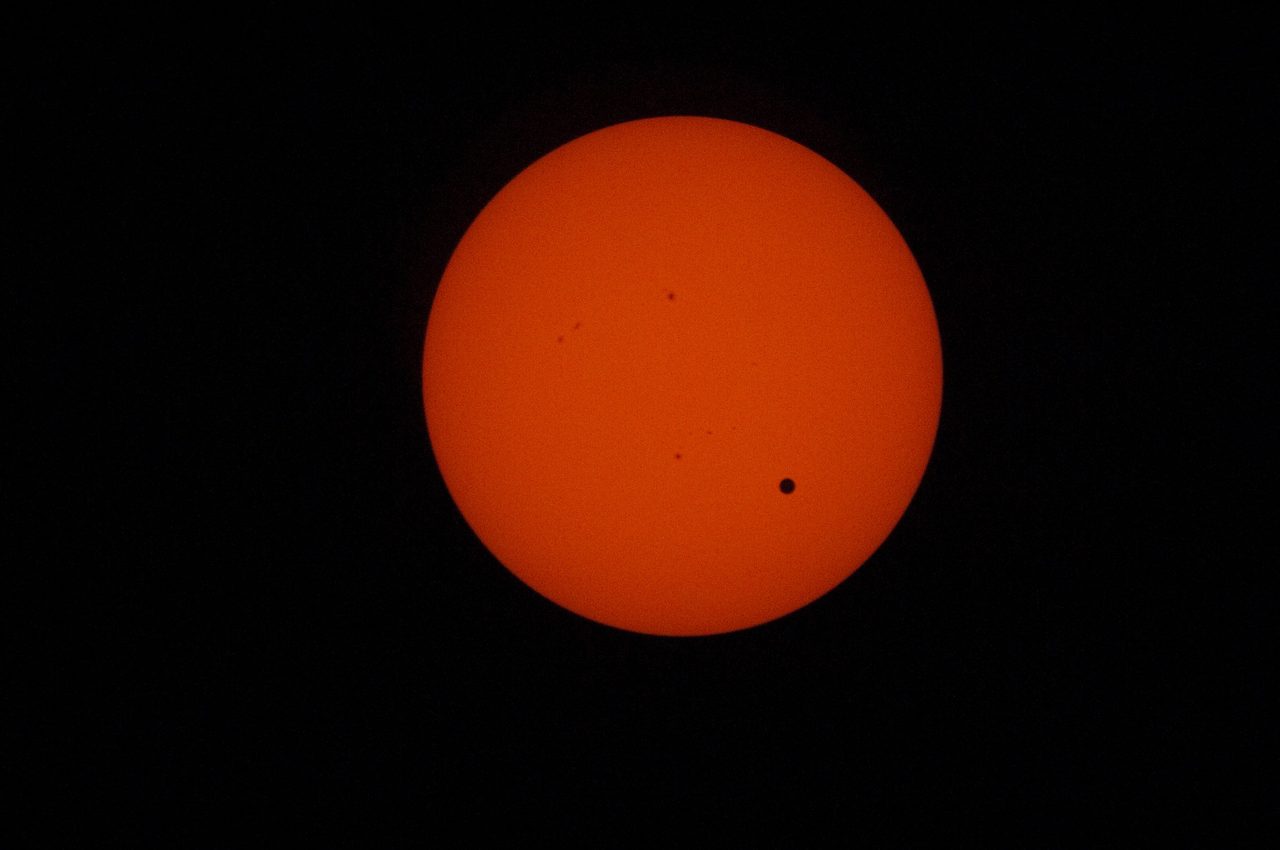
The 2 August 2027 Total Solar Eclipse: A Complete Explainer

The total solar eclipse on 2 August 2027 will offer a spectacular celestial event. Learn where and how to view it safely.
| Active satellites | 15,732 |
| Starlink active | 9,835 |
| Catalogued objects | 31,414 |
| Predicted re-entries | 25 |
| Active close approaches | 21 |
| People in space | 10 |
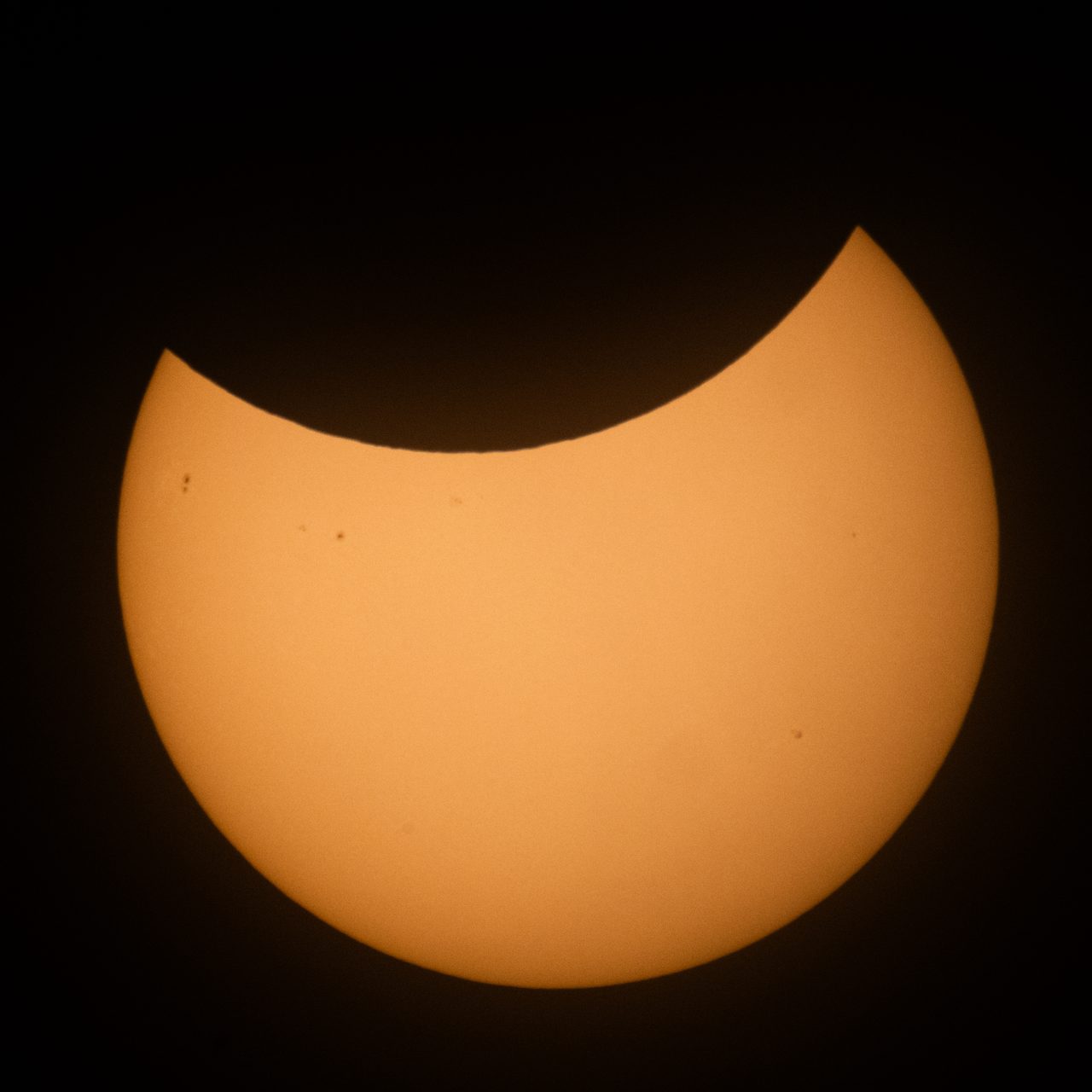
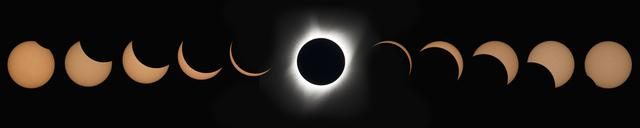
On 2 August 2027, a total solar eclipse will traverse parts of the Earth, offering a unique opportunity for millions to witness this celestial event. During a total solar eclipse, the Moon completely covers the Sun, casting a shadow on Earth and creating a temporary night-like darkness. This particular eclipse will be visible across parts of Europe, Africa, and the Middle East, with the path of totality providing the most dramatic views.
What is a Total Solar Eclipse?
A total solar eclipse occurs when the Moon passes directly between the Earth and the Sun, completely obscuring the Sun's light for observers in the path of totality. This alignment happens during a new moon when the Sun and Moon are in conjunction as seen from Earth. The 2027 eclipse will be visible along a narrow path, with the longest duration of totality lasting approximately 6 minutes and 23 seconds. The Orbital Radar eclipse page provides detailed maps and timing for this event.
Where and When to See the 2027 Eclipse
The path of totality for the 2 August 2027 eclipse will begin in the Atlantic Ocean, making landfall in the Iberian Peninsula, crossing Spain and Portugal. It will then move across the Mediterranean, affecting parts of North Africa, including Algeria and Libya, before heading into the Middle East. Observers outside the path of totality will experience a partial eclipse. For precise timings and locations, consult the Orbital Radar eclipse tracker.
How to Safely View a Solar Eclipse

Viewing a solar eclipse requires proper eye protection to prevent serious eye damage. Special eclipse glasses or viewers are essential for safely observing the Sun. Never look directly at the Sun without appropriate eyewear. For more information on safe viewing practices, visit the Orbital Radar safety guide. Additionally, pinhole projectors or solar filters on telescopes can provide safe indirect viewing options.
Scientific Significance of the 2027 Eclipse
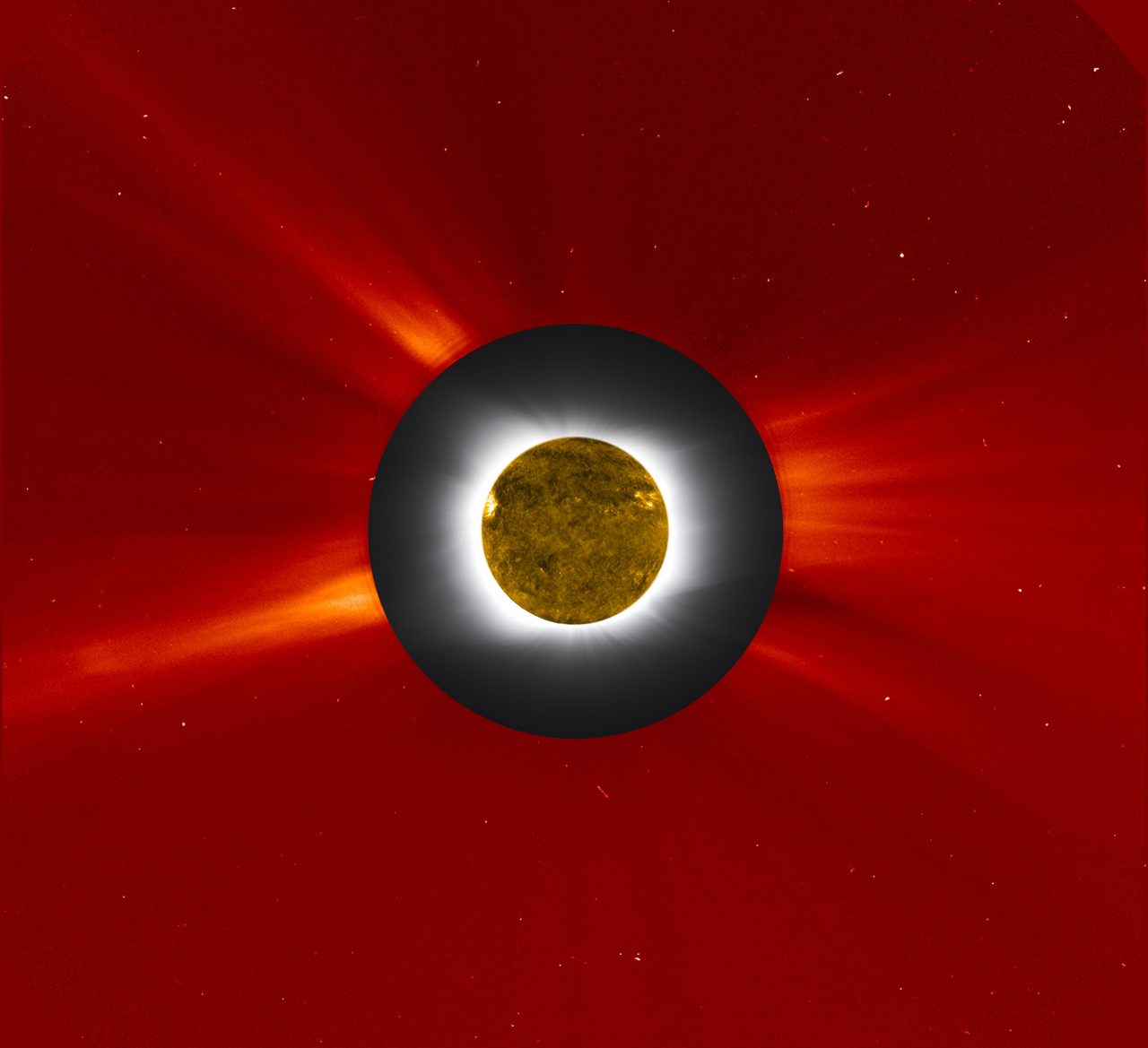
Total solar eclipses offer unique opportunities for scientific research, particularly in studying the Sun's corona, the outermost part of its atmosphere. The brief period of totality allows scientists to observe solar phenomena that are otherwise obscured by the Sun's bright light. The 2027 eclipse will be closely monitored by astronomers worldwide, contributing to our understanding of solar dynamics and space weather. The Orbital Radar eclipse page will feature updates on scientific findings from this event.
Historical Context of Solar Eclipses
Throughout history, solar eclipses have been significant cultural and scientific events. Ancient civilizations often regarded them as omens, while modern science uses them to advance our understanding of the cosmos. The 2027 eclipse will be one of the longest of the 21st century, reminiscent of the 2001 eclipse, which also provided valuable data. For a comprehensive history of eclipses, refer to the Orbital Radar eclipse archive.
Key Takeaways
The total solar eclipse on 2 August 2027 is a rare astronomical event that will be visible across several continents. Safe viewing practices are essential to prevent eye damage. This eclipse offers significant opportunities for scientific research, particularly in solar studies. For detailed viewing locations and times, visit the Orbital Radar eclipse page.
Frequently Asked Questions
When is the next total solar eclipse after 2027?
How long will the 2027 eclipse last?
Can I watch the 2027 eclipse online?
What causes a solar eclipse?
Where can I find detailed maps of the 2027 eclipse path?
📎 Cite this article · data available
Orbital Radar Newsroom. (2026). The 2 August 2027 Total Solar Eclipse: A Complete Explainer. Orbital Radar. https://orbitalradar.com/blog/2027-eclipse-guide-explainer"The 2 August 2027 Total Solar Eclipse: A Complete Explainer." Orbital Radar, 20 September 2026, https://orbitalradar.com/blog/2027-eclipse-guide-explainer.@misc{orbitalradar_2027_eclipse_guide_explainer,
title = {The 2 August 2027 Total Solar Eclipse: A Complete Explainer},
author = {{Orbital Radar}},
year = {2026},
howpublished = {\url{https://orbitalradar.com/blog/2027-eclipse-guide-explainer}}
}