How to View the Total Solar Eclipse on August 12, 2026
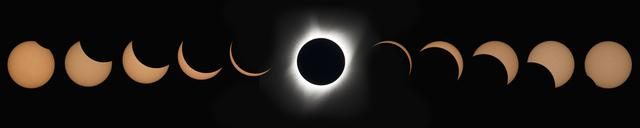
The total solar eclipse on August 12, 2026, will be visible across parts of North America and Europe. Learn where and how to view it.
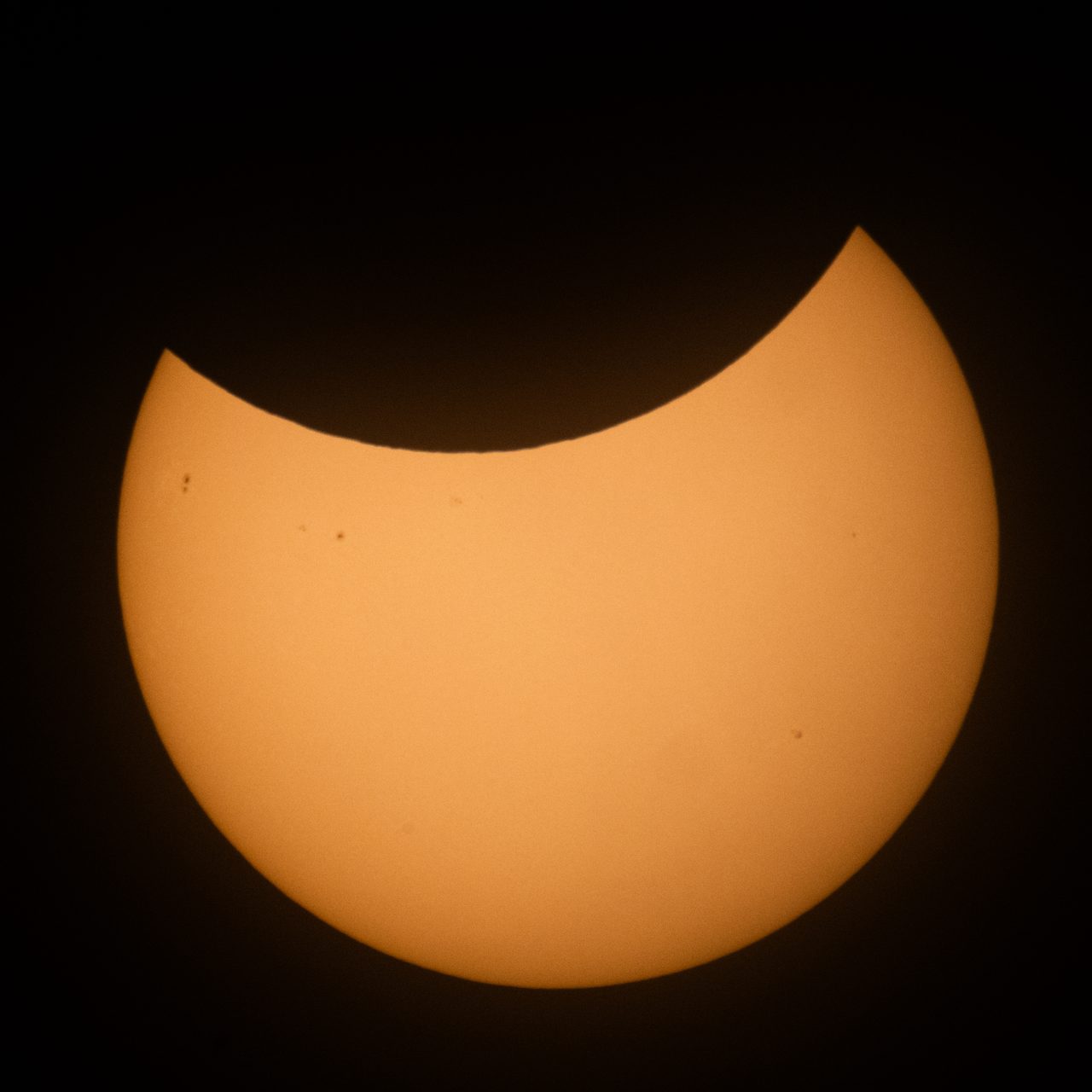
The total solar eclipse on August 12, 2026, will be visible across a swath of North America and Europe, offering a rare chance to witness this celestial event. Observers in the path of totality, which includes parts of Greenland, Iceland, and Spain, will experience the full eclipse, while others may see a partial eclipse.
Understanding the Path of Totality
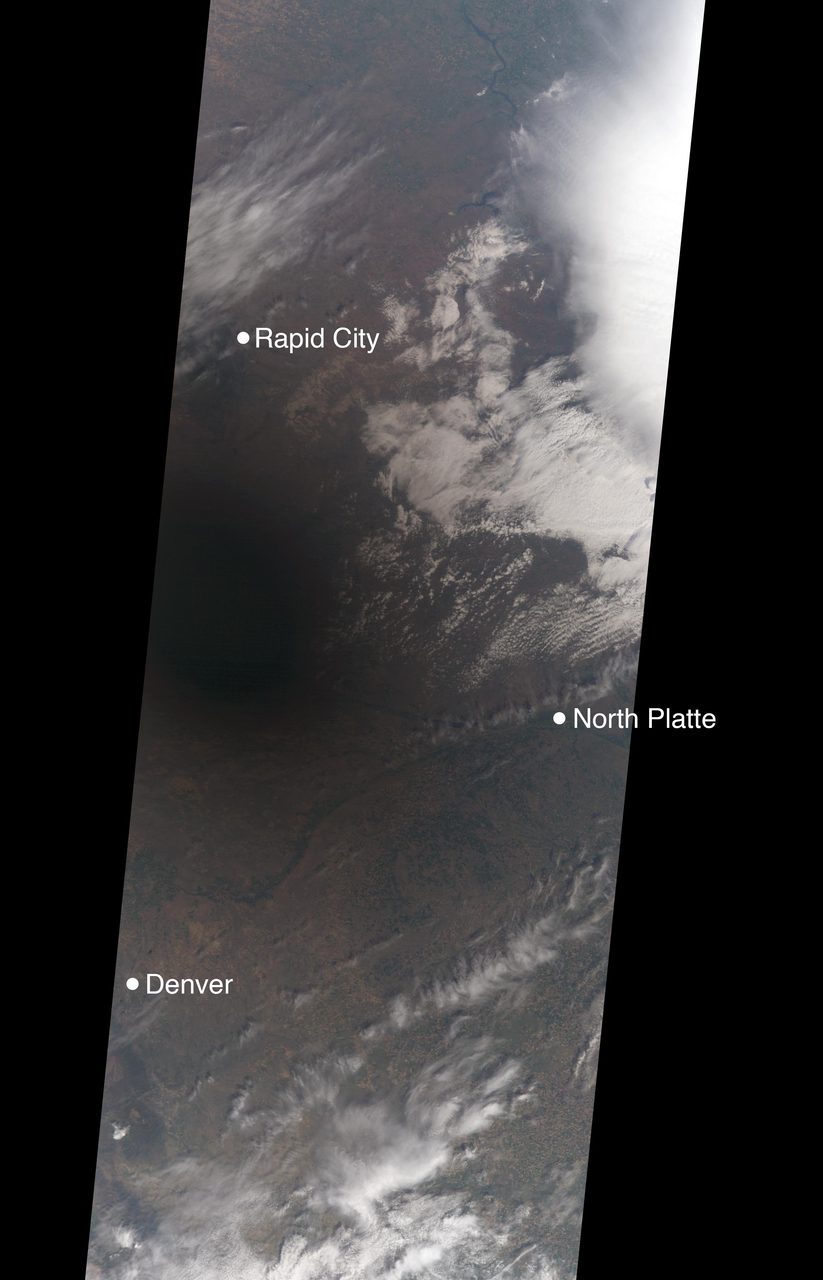
The path of totality is a narrow corridor where the moon completely covers the sun, turning day into night for a brief period. On August 12, 2026, the path will begin in the Arctic, passing over Greenland and Iceland before reaching parts of Spain. Observers outside this path will see a partial eclipse, where the moon covers only part of the sun.
Best Locations for Viewing
For the best viewing experience, positioning yourself within the path of totality is crucial. In Europe, the northern regions of Spain, including cities like Bilbao and Santander, will offer prime viewing spots. In Iceland, Reykjavik and other southern areas will be ideal. Weather conditions are also a factor; clear skies are essential for unobstructed views.
Safety Tips for Viewing the Eclipse
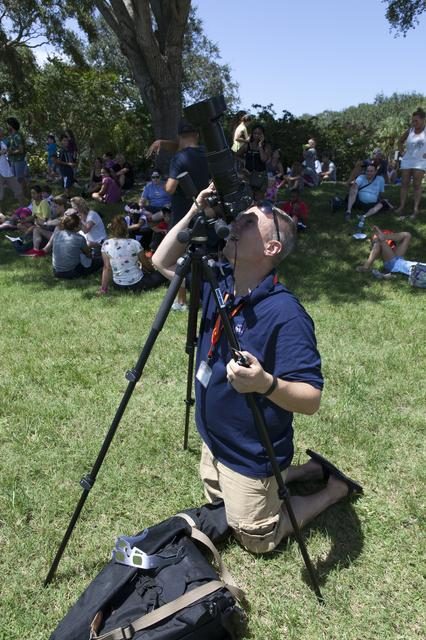
Viewing a solar eclipse requires proper eye protection to prevent serious eye damage. Special eclipse glasses or viewers are necessary for safely observing the sun. Regular sunglasses are not sufficient. For those interested in capturing the event, using a solar filter on cameras and telescopes is recommended.
Timing and Duration of the Eclipse
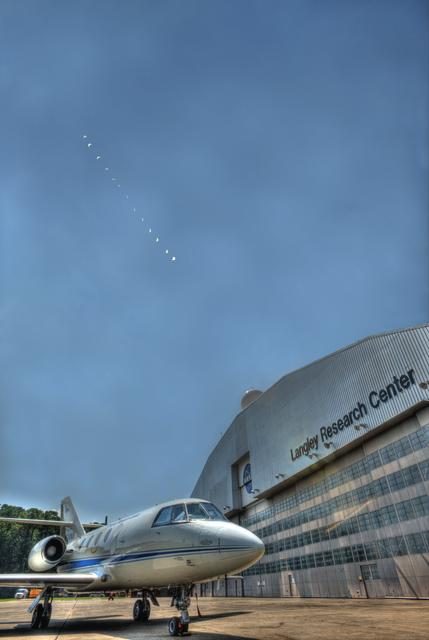
The eclipse will begin at approximately 10:00 UTC in the Arctic, with totality occurring around 11:30 UTC. The duration of totality will vary by location, lasting up to 2 minutes in some areas. For precise timings in your area, consult the Orbital Radar pass predictor.
Key Takeaways
The total solar eclipse of August 12, 2026, is a significant astronomical event visible across parts of North America and Europe. Observers should plan to be within the path of totality for the full experience and ensure they have proper eye protection. Weather conditions will play a crucial role in visibility, so checking forecasts is advisable.
Frequently Asked Questions
What time is the solar eclipse on August 12, 2026?
Where is the best place to view the 2026 solar eclipse?
How can I safely view the solar eclipse?
Will the 2026 solar eclipse be visible in the United States?
How long will the total solar eclipse last?
📎 Cite this article
Orbital Radar Newsroom. (2026). How to View the Total Solar Eclipse on August 12, 2026. Orbital Radar. https://orbitalradar.com/blog/view-total-solar-eclipse-august-2026"How to View the Total Solar Eclipse on August 12, 2026." Orbital Radar, 10 August 2026, https://orbitalradar.com/blog/view-total-solar-eclipse-august-2026.@misc{orbitalradar_view_total_solar_eclipse_august_2026,
title = {How to View the Total Solar Eclipse on August 12, 2026},
author = {{Orbital Radar}},
year = {2026},
howpublished = {\url{https://orbitalradar.com/blog/view-total-solar-eclipse-august-2026}}
}