Stunning Photos from the 2026 Eclipse: A Cosmic Recap
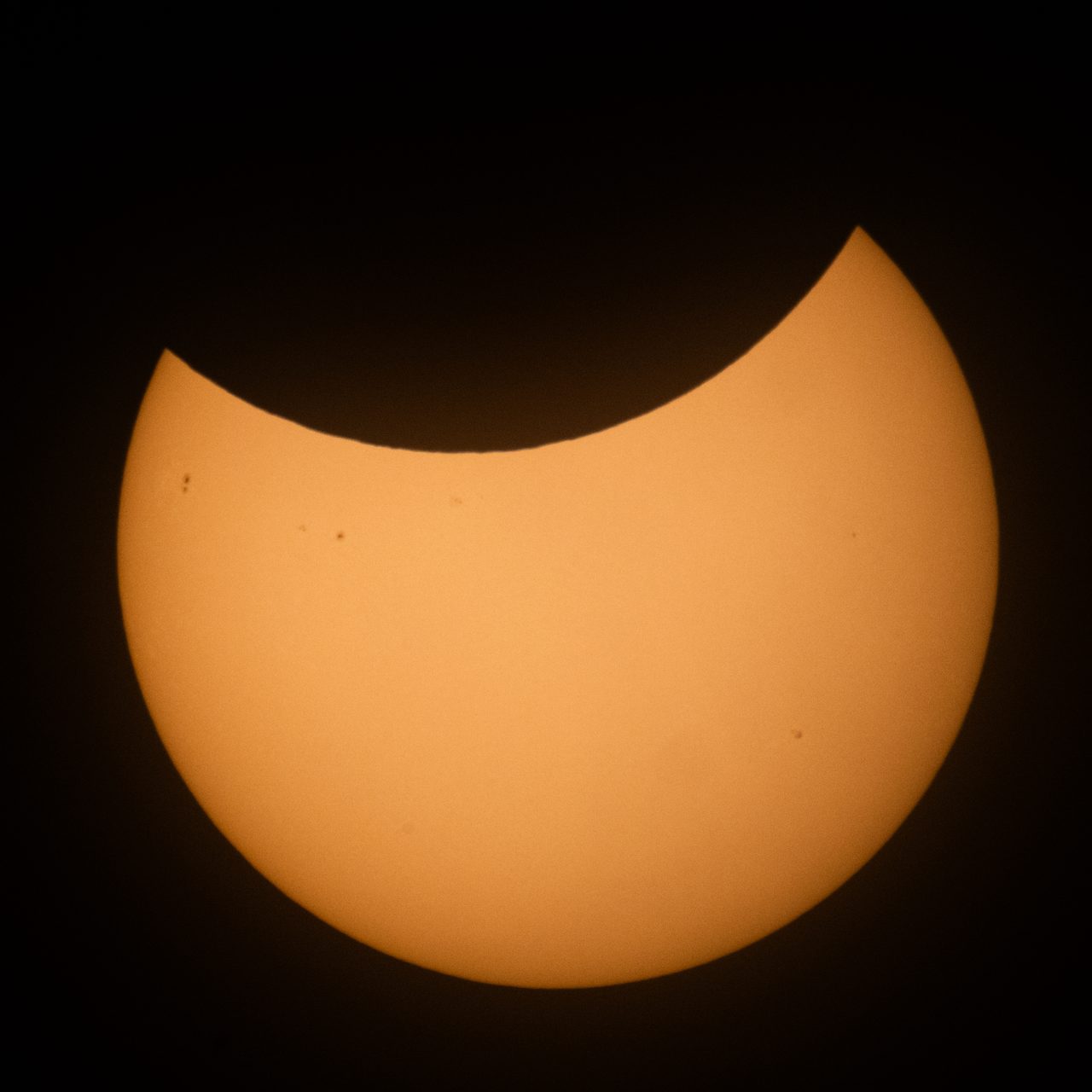
The 2026 solar eclipse offered a breathtaking celestial spectacle, captured in stunning photographs that highlight the event's global impact.
The 2026 solar eclipse, a total eclipse visible across parts of the Arctic and extending to Spain, captivated millions with its celestial beauty. Stunning photographs from the event have been widely shared, showcasing the eclipse's path and the awe-inspiring moment of totality. This article delves into the highlights of the eclipse, its scientific significance, and the global response to this remarkable astronomical event.
Path and Visibility of the 2026 Eclipse
The total solar eclipse on 12 August 2026 followed a path that began in the Arctic, sweeping southwards over Greenland, Iceland, and parts of northern Spain. This trajectory provided a unique opportunity for observers in these regions to experience the eclipse in its entirety. The eclipse's path of totality, where the moon completely obscured the sun, was approximately 200 km wide, allowing millions to witness the event under clear skies.
Photographic Highlights
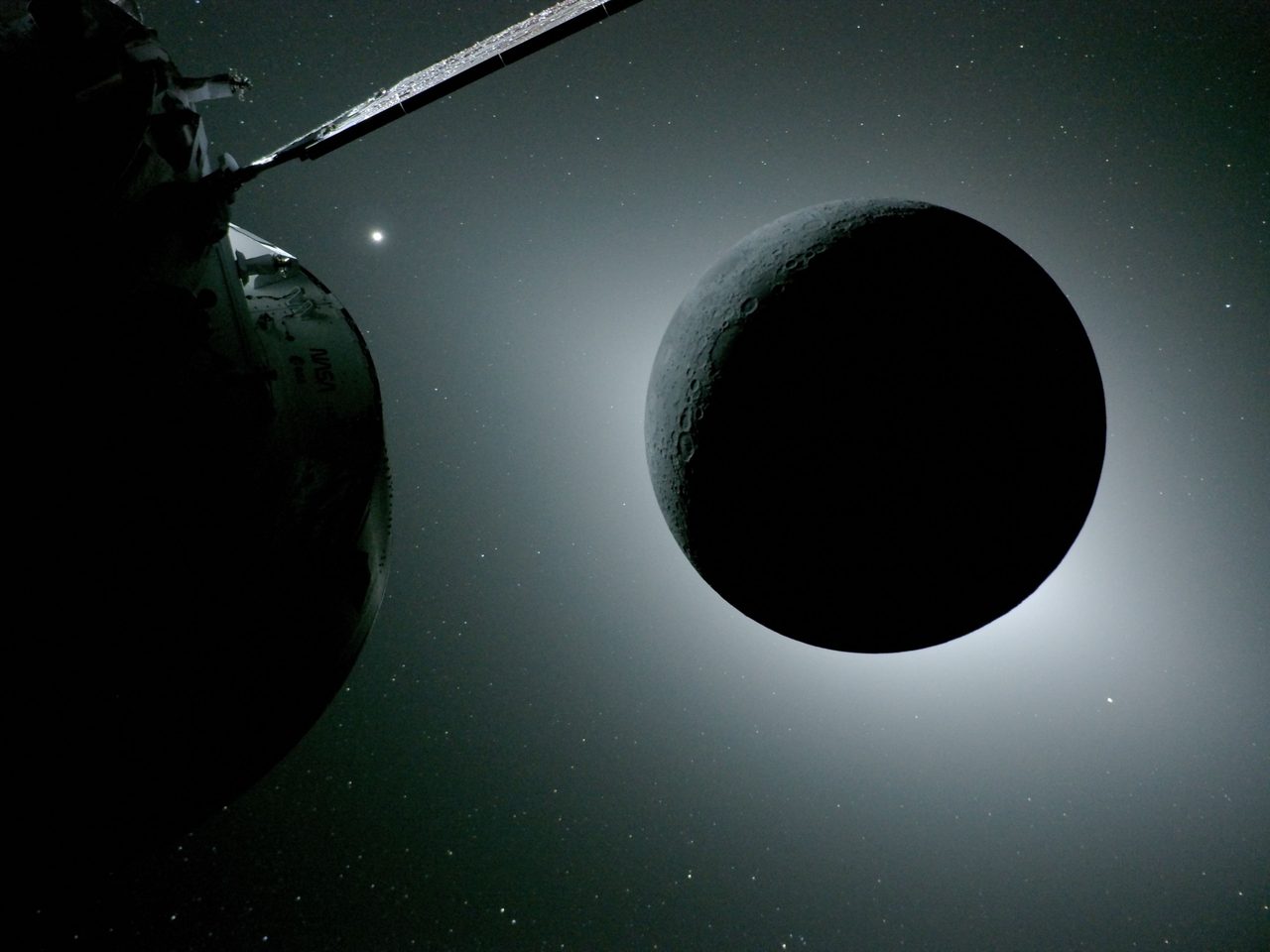
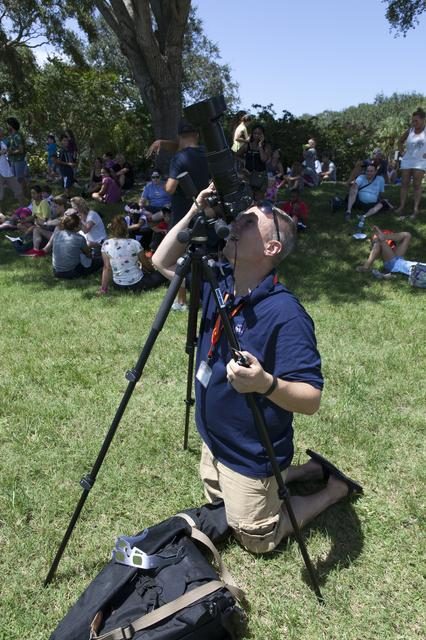
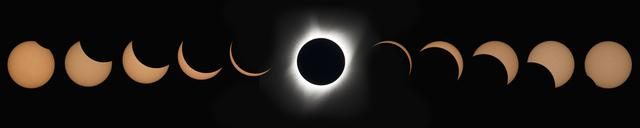
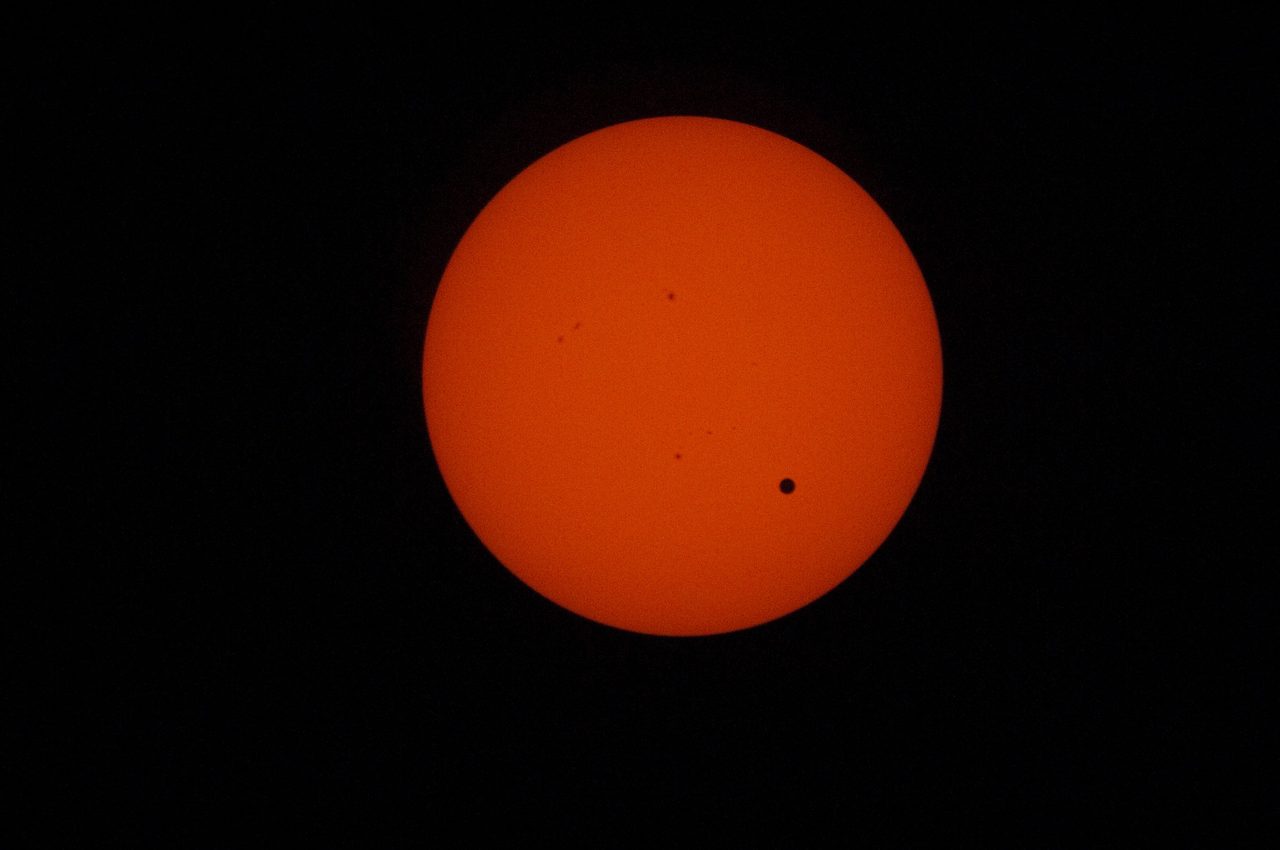
Photographers and astronomers alike captured the eclipse's dramatic phases, from the initial partial eclipse to the awe-inspiring totality. Images of the solar corona, the sun's outer atmosphere visible during totality, revealed intricate details and patterns. These photographs not only serve as a visual record but also provide valuable data for scientific analysis of solar activity. The Orbital Radar Satellite Eye offers a platform to view some of these stunning images.
Scientific Insights and Discoveries

Eclipses offer a rare opportunity to study the sun's corona and other solar phenomena. During the 2026 eclipse, scientists deployed a range of instruments to capture data on solar wind and magnetic fields. These observations contribute to our understanding of solar dynamics and help refine models predicting space weather, which can impact satellite operations and communications on Earth. Insights gained from this eclipse will be analysed in conjunction with data from the Orbital Radar Space Academy.
Global Engagement and Cultural Impact
The 2026 eclipse was not only a scientific event but also a cultural phenomenon. Communities across the eclipse's path organised viewing events, blending traditional practices with modern scientific understanding. In Spain, for instance, local festivals celebrated the eclipse with a mix of music, art, and astronomy talks, drawing tourists and enthusiasts from around the world. Such events highlight the universal appeal of celestial occurrences and their ability to unite people across cultures.
Key Takeaways
The 2026 solar eclipse provided a spectacular display that was both a scientific boon and a cultural celebration. The event's path allowed for widespread visibility, and the resulting photographs have enriched our understanding of solar phenomena. As we look forward to future eclipses, the data and experiences from 2026 will continue to inform and inspire both scientific inquiry and public engagement.
Frequently Asked Questions
When was the 2026 solar eclipse visible?
What makes solar eclipses scientifically significant?
How wide was the path of totality for the 2026 eclipse?
What cultural activities accompanied the 2026 eclipse?
Where can I find images of the 2026 eclipse?
📎 Cite this article
Orbital Radar Newsroom. (2026). Stunning Photos from the 2026 Eclipse: A Cosmic Recap. Orbital Radar. https://orbitalradar.com/blog/stunning-photos-2026-eclipse-cosmic-recap"Stunning Photos from the 2026 Eclipse: A Cosmic Recap." Orbital Radar, 12 August 2026, https://orbitalradar.com/blog/stunning-photos-2026-eclipse-cosmic-recap.@misc{orbitalradar_stunning_photos_2026_eclipse_cosmic_reca,
title = {Stunning Photos from the 2026 Eclipse: A Cosmic Recap},
author = {{Orbital Radar}},
year = {2026},
howpublished = {\url{https://orbitalradar.com/blog/stunning-photos-2026-eclipse-cosmic-recap}}
}