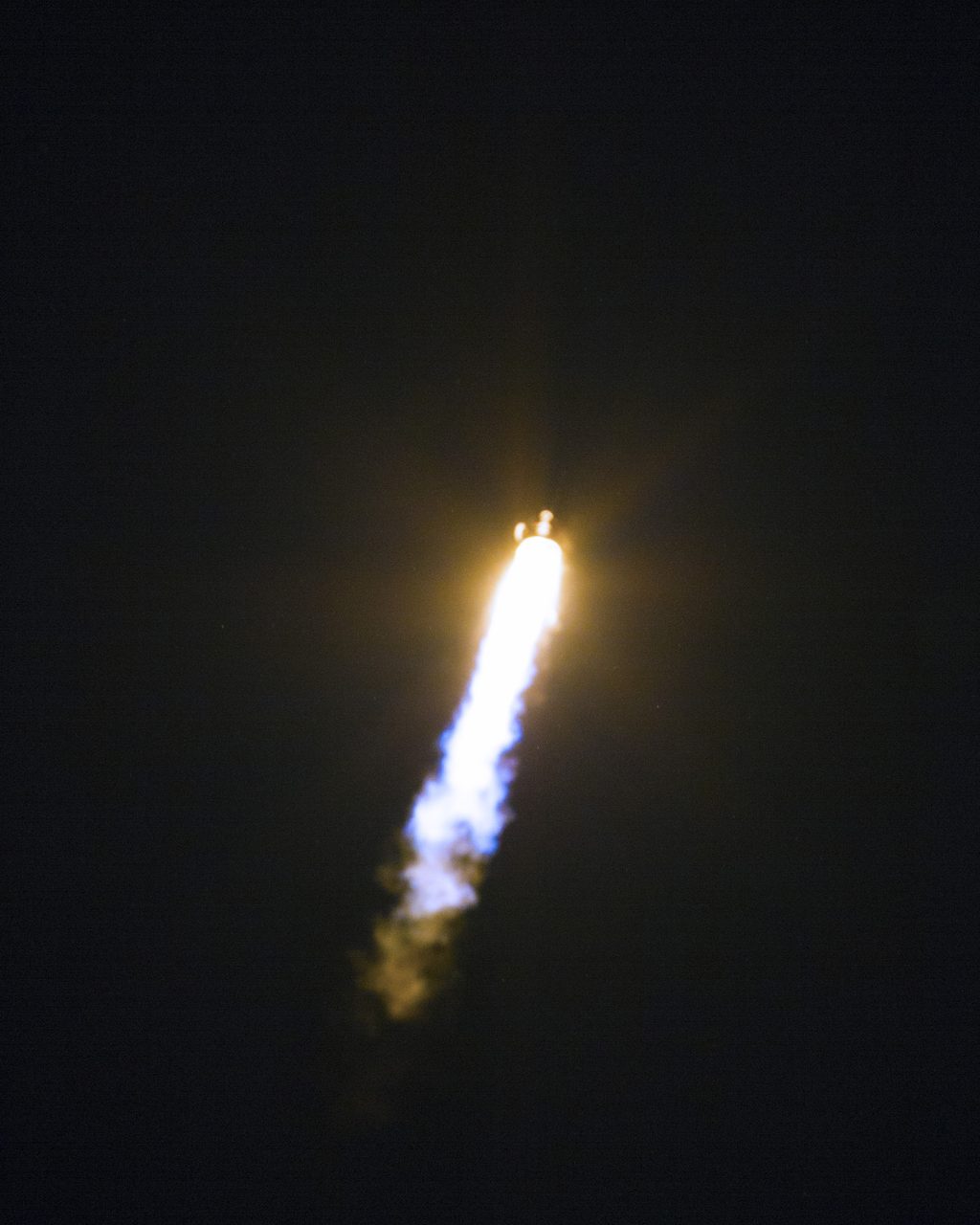
Understanding Orbital Period: Key Concepts and Calculations
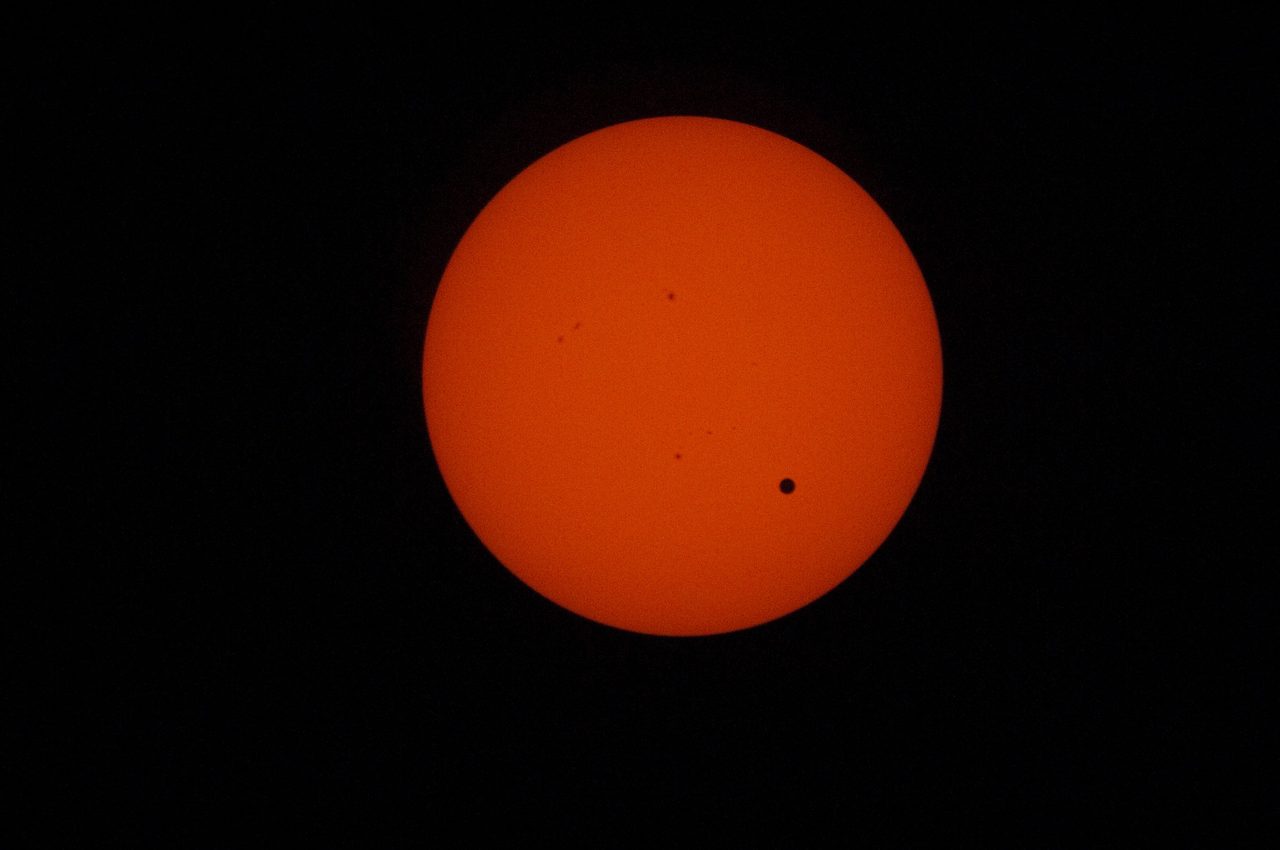
The orbital period is the time a celestial object takes to complete one orbit around another object. Learn its significance and calculation.
The orbital period is the duration a celestial object takes to complete one full orbit around another body. It is a fundamental concept in astronomy and space science, affecting everything from satellite operations to planetary motion. For instance, the International Space Station (ISS) has an orbital period of approximately 92 minutes, allowing it to circle the Earth multiple times a day.
What Determines Orbital Period?
The orbital period depends on the size of the orbit and the masses of the objects involved. According to Kepler's Third Law, the square of the orbital period is proportional to the cube of the semi-major axis of the orbit. This principle helps scientists calculate the periods of various celestial bodies, such as the Moon, which orbits Earth every 27.3 days.
Calculating Orbital Periods
To calculate an orbital period, one can use the formula T = 2π√(a³/GM), where T is the orbital period, a is the semi-major axis, G is the gravitational constant, and M is the mass of the central body. This formula is crucial for mission planning, ensuring satellites like those in the Starlink constellation maintain their intended orbits.
Orbital Periods of Common Satellites
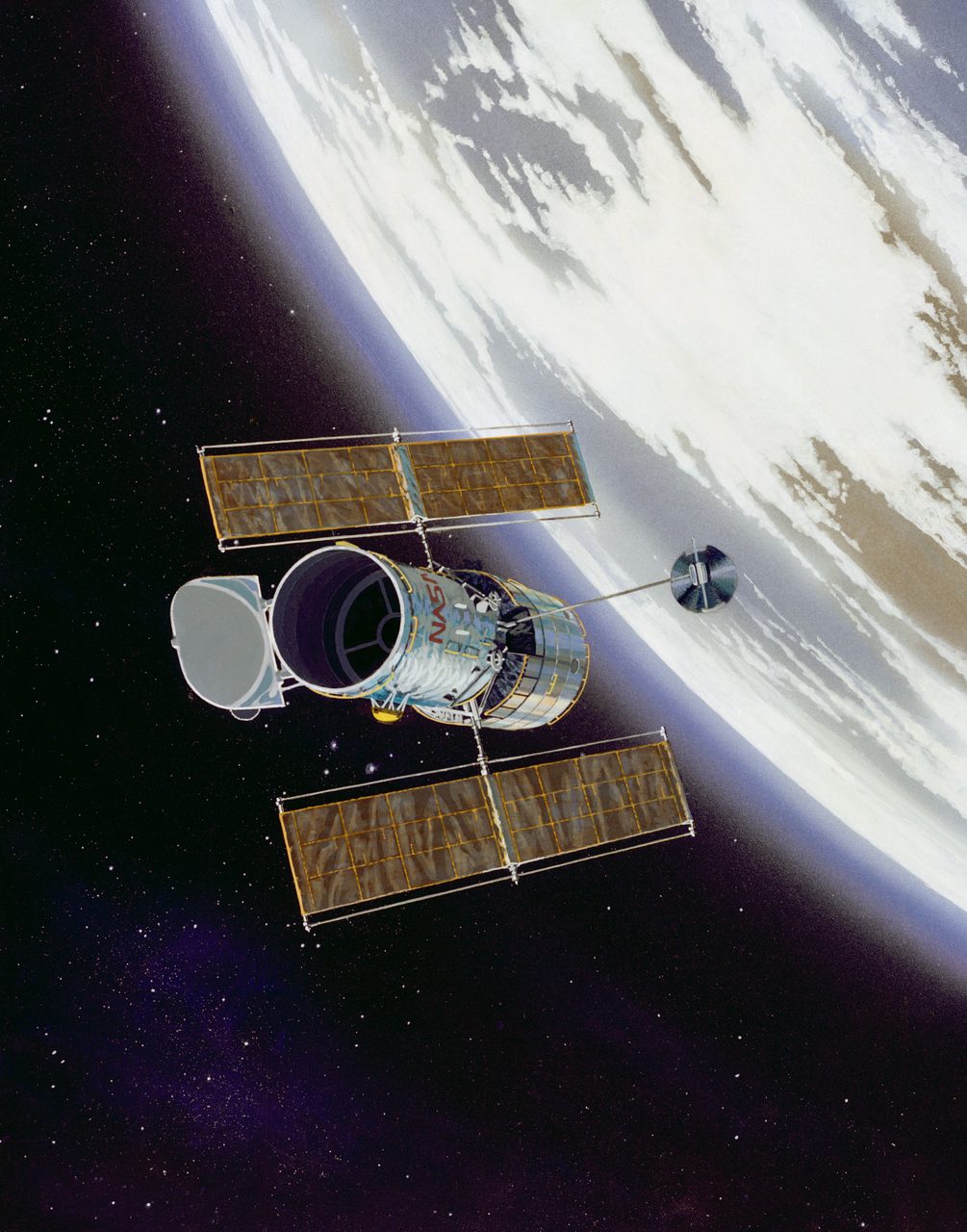
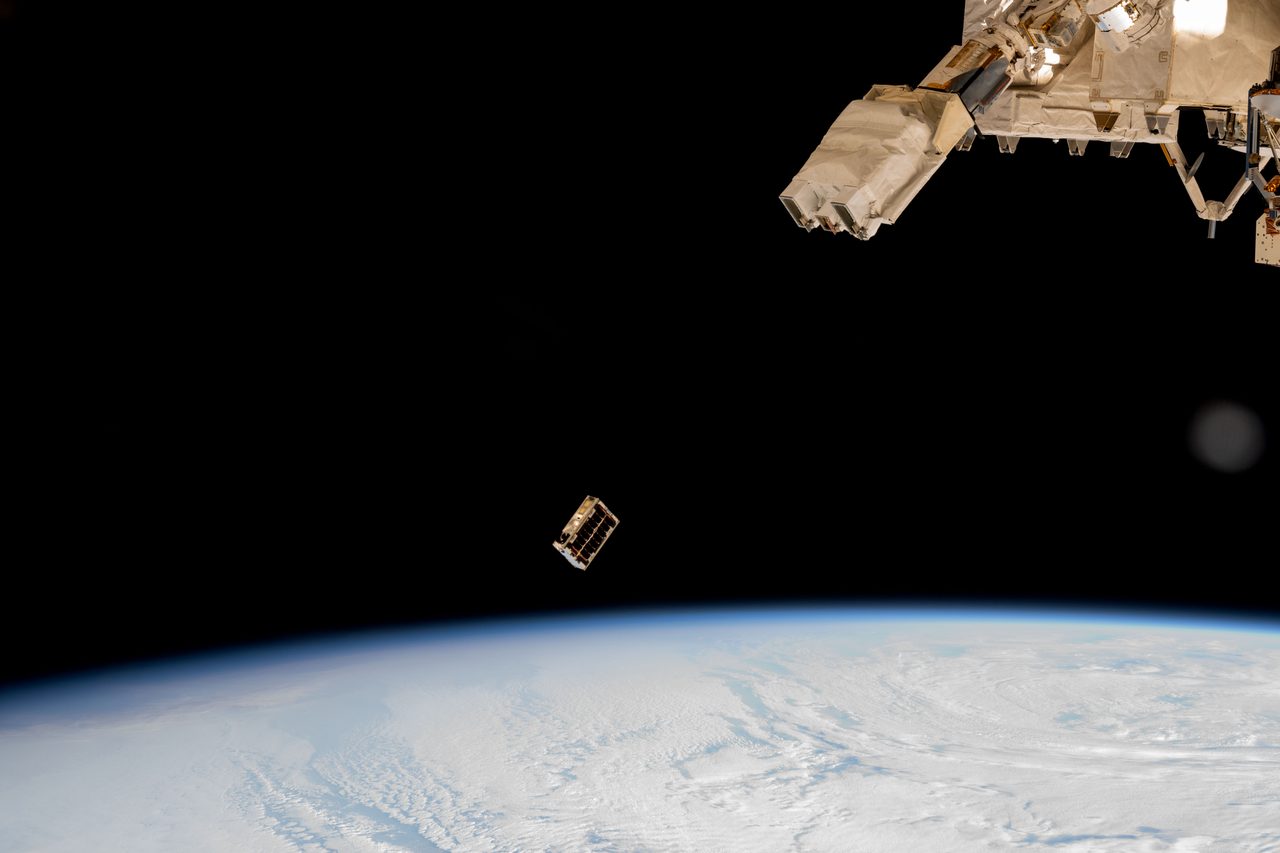
Satellites in low Earth orbit (LEO), such as the Hubble Space Telescope, have shorter orbital periods than those in geostationary orbit. Hubble, for instance, completes an orbit approximately every 95 minutes. In contrast, geostationary satellites have an orbital period of 24 hours, matching Earth's rotation and appearing stationary from the ground.
Orbital Periods in Different Types of Orbits
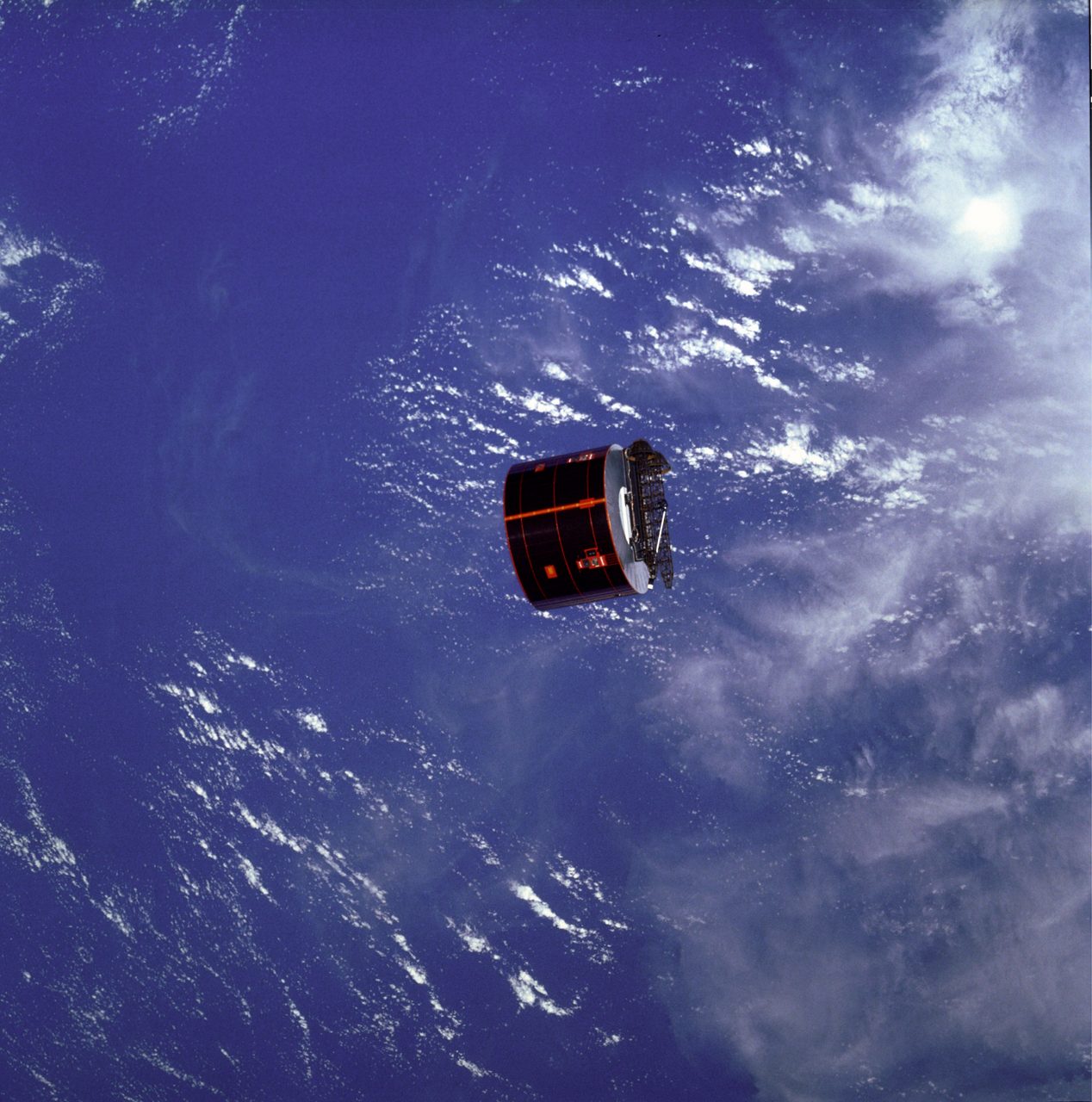
Different types of orbits, such as polar, geosynchronous, and Molniya, have varying orbital periods. For example, geosynchronous orbits have a period of 24 hours, allowing satellites to remain fixed relative to a point on Earth. The Types of Orbits page offers detailed insights into these variations.
Why Orbital Periods Matter
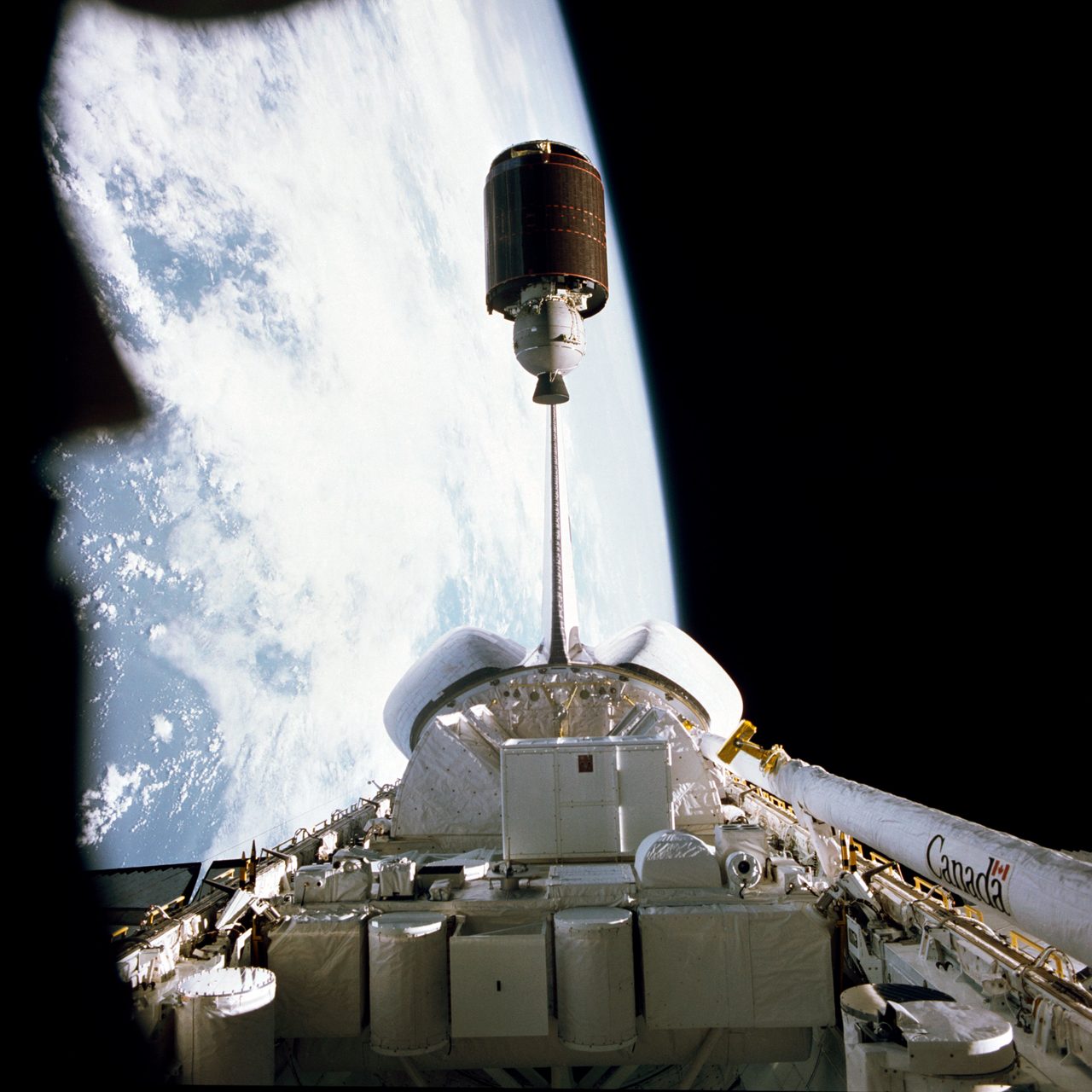
Understanding orbital periods is critical for satellite communication, navigation, and Earth observation. Precise knowledge of these periods ensures that satellites provide consistent coverage and data. The Orbital Period glossary entry provides further context on its importance.
Key Takeaways
The orbital period is a vital concept in space science, influencing satellite operations and planetary studies. Accurate calculations are essential for maintaining satellite orbits and ensuring mission success. With over 18,000 active satellites, understanding these dynamics is more crucial than ever.
Frequently Asked Questions
How is the orbital period of a satellite calculated?
What is the orbital period of the Moon?
Why do geostationary satellites have a 24-hour orbital period?
What affects a satellite's orbital period?
How does orbital period impact satellite operations?
📎 Cite this article
Orbital Radar Newsroom. (2026). Understanding Orbital Period: Key Concepts and Calculations. Orbital Radar. https://orbitalradar.com/blog/orbital-period-explainer"Understanding Orbital Period: Key Concepts and Calculations." Orbital Radar, 17 August 2026, https://orbitalradar.com/blog/orbital-period-explainer.@misc{orbitalradar_orbital_period_explainer,
title = {Understanding Orbital Period: Key Concepts and Calculations},
author = {{Orbital Radar}},
year = {2026},
howpublished = {\url{https://orbitalradar.com/blog/orbital-period-explainer}}
}