Satellite Spotlight: COSMOS 1408 and the 2021 Russian ASAT Test Debris Field
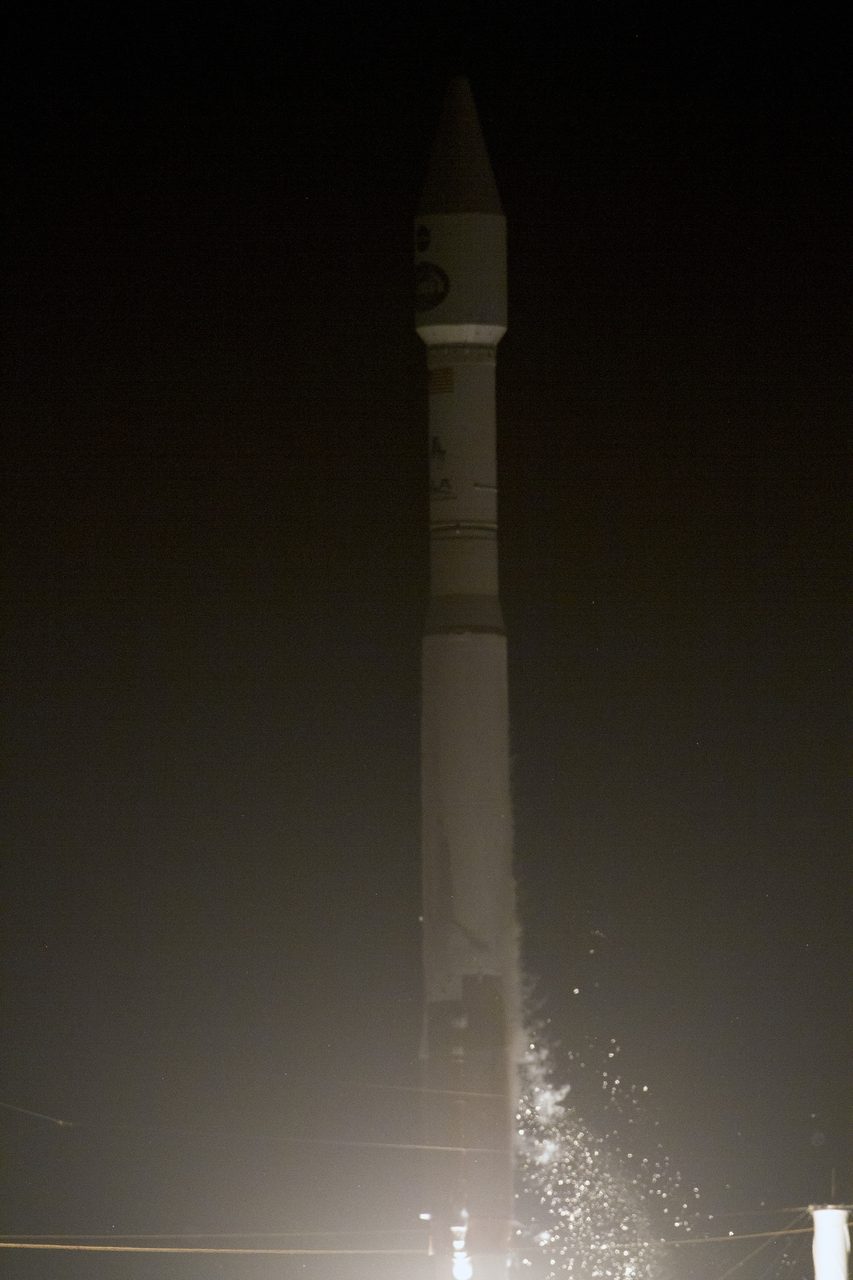
COSMOS 1408, a Soviet-era satellite, was launched on 16 September 1982. It was part of the Tselina-D series, designed for electronic intelligence (ELINT) purposes.
Introduction to COSMOS 1408
COSMOS 1408, a Soviet-era satellite, was launched on 16 September 1982. It was part of the Tselina-D series, designed for electronic intelligence (ELINT) purposes. The satellite's mission was to intercept and analyse electronic signals from ground-based radars and communication systems, contributing to the Soviet Union's military intelligence capabilities during the Cold War. COSMOS 1408 was operational for several years before becoming inactive, remaining in orbit as space debris.
Mission and Purpose
The Tselina-D series, to which COSMOS 1408 belongs, was developed by the Soviet Union to enhance its electronic intelligence gathering capabilities. These satellites were part of a broader strategy to monitor and intercept signals from adversaries, providing crucial data for military operations. COSMOS 1408's role was primarily to detect and analyse radar emissions and other electronic signals, a task it performed until it was decommissioned.
Orbital Characteristics
COSMOS 1408 was placed in a sun-synchronous orbit, which allowed it to pass over the same part of the Earth at roughly the same local solar time. This type of orbit is particularly useful for reconnaissance and Earth observation missions. The satellite's NORAD ID is 13552, and it orbited at an altitude of approximately 485 km with an inclination of 82.5 degrees. This orbit enabled COSMOS 1408 to cover a wide range of latitudes, making it effective for global electronic intelligence collection.
Significance and Legacy
The destruction of COSMOS 1408 in a Russian anti-satellite (ASAT) test on 15 November 2021 created a significant debris field. This event highlighted the growing concerns about space debris and the risks associated with ASAT tests. The debris from COSMOS 1408 has been catalogued and tracked, with the Orbital Radar Debris Map providing real-time updates on its distribution. The incident underscored the need for international cooperation to mitigate space debris and ensure the sustainability of space activities.
Current Status
As of 2026, the debris field generated by the destruction of COSMOS 1408 continues to pose a risk to active satellites and the International Space Station (ISS). The debris consists of thousands of fragments, tracked by various space agencies and catalogued in the Orbital Radar Satellite Library. Efforts to monitor and predict potential collisions are ongoing, with close approaches regularly assessed through tools like the Orbital Radar Pass Predictor. The legacy of COSMOS 1408 now serves as a cautionary tale in the discourse on space security and debris management.
📎 Cite this article
Orbital Radar Newsroom. (2026). Satellite Spotlight: COSMOS 1408 and the 2021 Russian ASAT Test Debris Field. Orbital Radar. https://orbitalradar.com/blog/cosmos-1408-russian-asat-test-debris"Satellite Spotlight: COSMOS 1408 and the 2021 Russian ASAT Test Debris Field." Orbital Radar, 1 August 2026, https://orbitalradar.com/blog/cosmos-1408-russian-asat-test-debris.@misc{orbitalradar_cosmos_1408_russian_asat_test_debris,
title = {Satellite Spotlight: COSMOS 1408 and the 2021 Russian ASAT Test Debris Field},
author = {{Orbital Radar}},
year = {2026},
howpublished = {\url{https://orbitalradar.com/blog/cosmos-1408-russian-asat-test-debris}}
}