Iridium NEXT: The Flash-Free Replacement Constellation
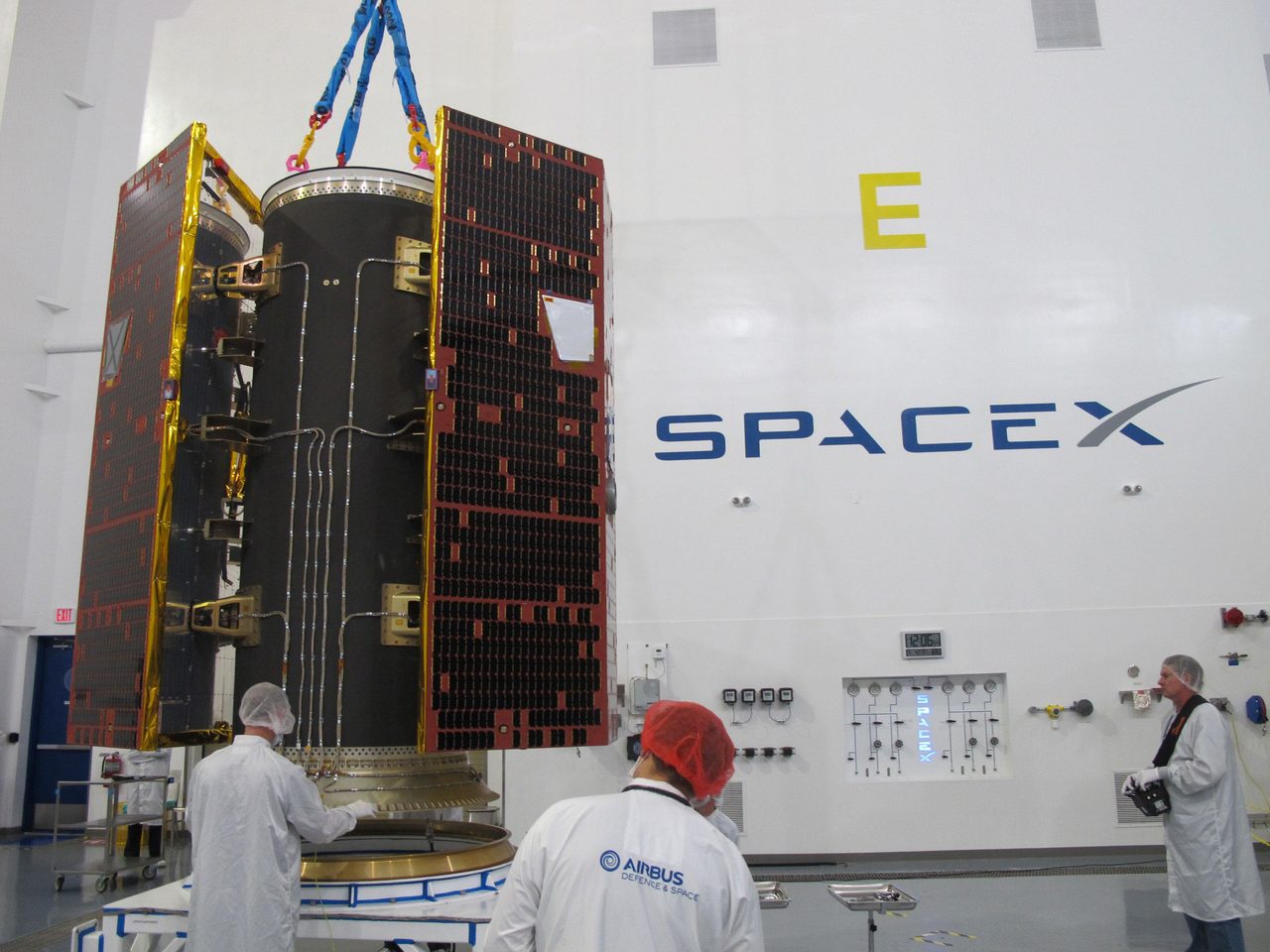
Iridium NEXT is the second-generation satellite constellation operated by Iridium Communications. It serves as the replacement for the original Iridium constellation, which was known for its characteristic 'Iridium flares'—bright flashes visible from Earth due to sunlight reflecting off their antenn
What is Iridium NEXT?
Iridium NEXT is the second-generation satellite constellation operated by Iridium Communications. It serves as the replacement for the original Iridium constellation, which was known for its characteristic 'Iridium flares'—bright flashes visible from Earth due to sunlight reflecting off their antennas. The NEXT constellation, launched between 2017 and 2019, comprises 75 satellites, including 66 operational units and nine in-orbit spares. These satellites provide global voice and data communication services, including satellite phones and broadband data services.
Mission and Purpose

The mission of Iridium NEXT is to deliver reliable, global communication services across the entire Earth, including polar regions. The constellation supports a wide range of applications, from maritime and aviation communications to IoT (Internet of Things) solutions and emergency services. By replacing the original Iridium satellites, Iridium NEXT enhances bandwidth and network capacity, offering faster data speeds and improved service quality. The constellation also supports Aireon, a space-based global air traffic surveillance system that enhances aviation safety and efficiency.
Orbital Characteristics
The Iridium NEXT satellites operate in a low Earth orbit (LEO) at an altitude of approximately 780 kilometres. They are arranged in six polar orbital planes, each containing 11 satellites, with an inclination of 86.4 degrees. This configuration allows for complete global coverage, including the poles, which are typically underserved by geostationary satellites. The orbital period of each satellite is approximately 100 minutes, enabling frequent revisits over any point on Earth.
Significance and Legacy
Iridium NEXT represents a significant technological advancement over its predecessor, offering enhanced capabilities without the visual phenomena of the original constellation. The transition to a flash-free design was intentional, as the new satellites use different materials and configurations that do not reflect sunlight in the same way. This has been welcomed by astronomers and skywatchers who found the flares disruptive. The constellation's role in supporting Aireon is particularly noteworthy, as it provides real-time tracking of aircraft globally, a critical capability for modern aviation.
Current Status
As of 2026, the Iridium NEXT constellation remains fully operational, continuing to provide robust communication services worldwide. The satellites are monitored and maintained to ensure optimal performance, with the in-orbit spares ready to replace any units that may fail. The constellation's status can be explored in detail on the Orbital Radar Satellite Library, which provides information on individual satellites, including their NORAD IDs and operational status.
📎 Cite this article
Orbital Radar Newsroom. (2026). Iridium NEXT: The Flash-Free Replacement Constellation. Orbital Radar. https://orbitalradar.com/blog/iridium-next-flash-free-constellation"Iridium NEXT: The Flash-Free Replacement Constellation." Orbital Radar, 12 August 2026, https://orbitalradar.com/blog/iridium-next-flash-free-constellation.@misc{orbitalradar_iridium_next_flash_free_constellation,
title = {Iridium NEXT: The Flash-Free Replacement Constellation},
author = {{Orbital Radar}},
year = {2026},
howpublished = {\url{https://orbitalradar.com/blog/iridium-next-flash-free-constellation}}
}