Track the 2026 Total Solar Eclipse Live with Orbital Radar
Follow the 12 August 2026 total solar eclipse live with Orbital Radar's Eclipse Tracker, offering precise timing and visibility data.
On 12 August 2026, a total solar eclipse will traverse parts of the Earth, offering a spectacular celestial event for millions. The Eclipse Tracker by Orbital Radar provides a comprehensive tool to follow this event live, offering precise timing, location-specific visibility, and scientific insights.
Understanding the Eclipse Tracker
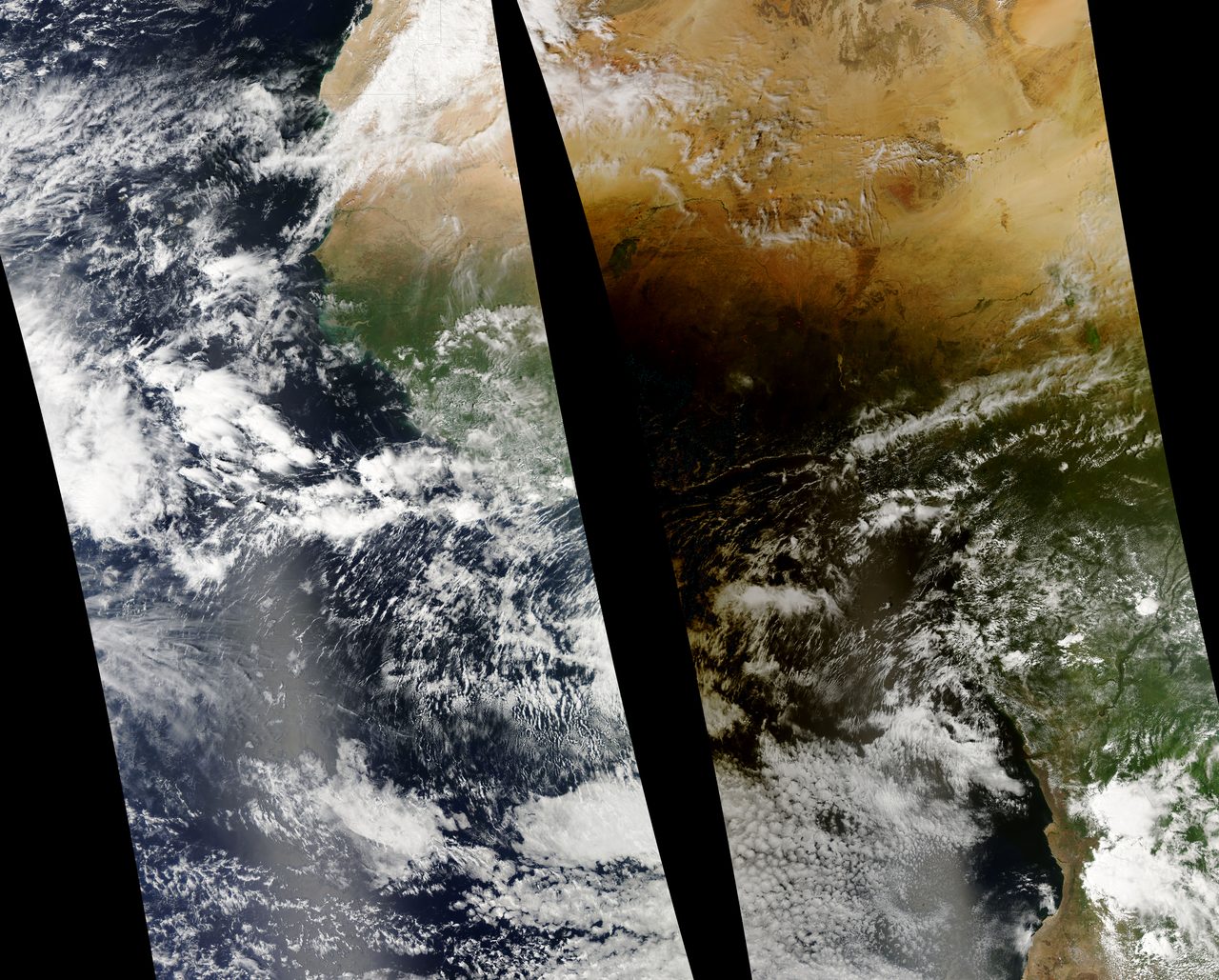
Orbital Radar's Eclipse Tracker is designed to provide real-time information on solar eclipses, including the path of totality (where the eclipse is total) and partial visibility areas. Users can input their location to receive tailored data on eclipse timing and duration. This tool utilises data from astronomical models and satellite observations to ensure accuracy.
How to Use the Eclipse Tracker
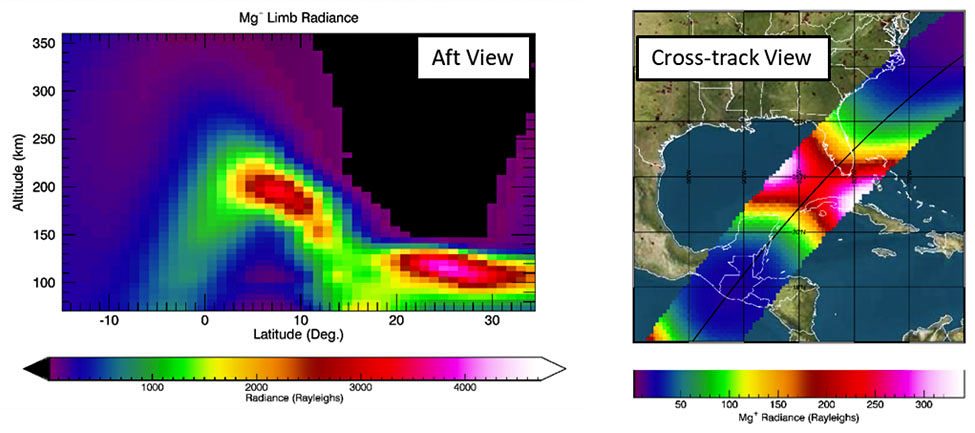
To use the Eclipse Tracker, simply visit the dedicated page and enter your location. The tool will display the start and end times of the eclipse, the maximum eclipse time, and the percentage of the Sun covered. For those in the path of totality, it will indicate the duration of total darkness. This information is crucial for planning viewing activities.
The Science Behind Solar Eclipses
A solar eclipse occurs when the Moon passes between the Earth and the Sun, casting a shadow on Earth. The path of totality is where the Moon completely covers the Sun, while areas outside this path experience a partial eclipse. The Eclipse Tracker uses orbital mechanics and satellite data to predict these paths accurately, drawing from the same principles used in our Eclipse Library.
Key Takeaways
The 2026 total solar eclipse is a rare opportunity to witness a natural phenomenon. With Orbital Radar's Eclipse Tracker, you can ensure you have the most accurate and location-specific information. Remember to always use proper eye protection when viewing a solar eclipse, as detailed in our safety guide.
Frequently Asked Questions
How can I track the 2026 total solar eclipse live?
What is the path of totality for the 2026 solar eclipse?
Can I see the 2026 solar eclipse from my location?
What time will the 2026 solar eclipse occur?
How do I safely watch the 2026 solar eclipse?
📎 Cite this article
Orbital Radar Newsroom. (2026). Track the 2026 Total Solar Eclipse Live with Orbital Radar. Orbital Radar. https://orbitalradar.com/blog/total-solar-eclipse-2026-live-tracker"Track the 2026 Total Solar Eclipse Live with Orbital Radar." Orbital Radar, 11 August 2026, https://orbitalradar.com/blog/total-solar-eclipse-2026-live-tracker.@misc{orbitalradar_total_solar_eclipse_2026_live_tracker,
title = {Track the 2026 Total Solar Eclipse Live with Orbital Radar},
author = {{Orbital Radar}},
year = {2026},
howpublished = {\url{https://orbitalradar.com/blog/total-solar-eclipse-2026-live-tracker}}
}