Iridium NEXT: The Flash-Free Replacement Constellation
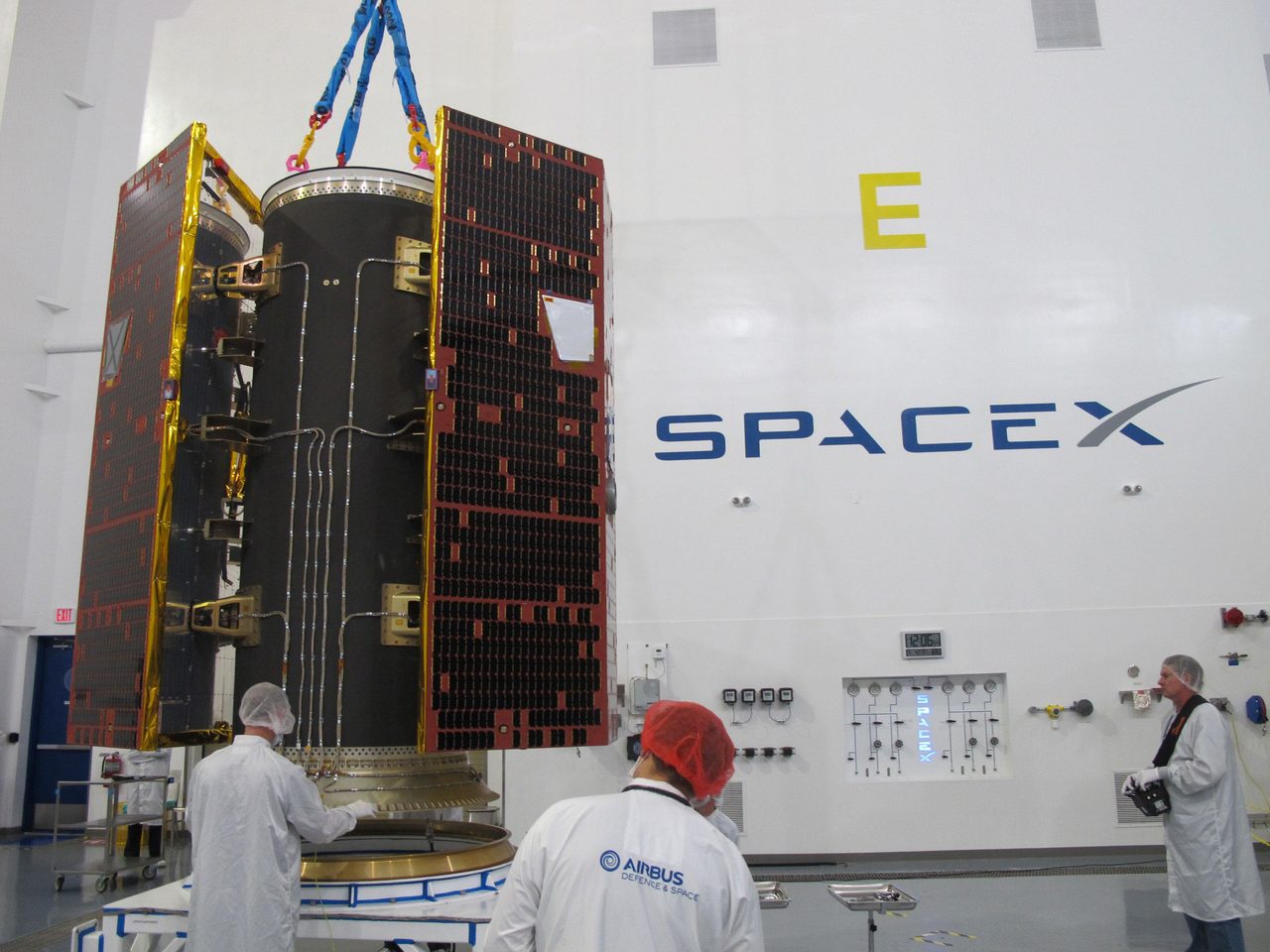
Iridium NEXT is the second-generation satellite constellation operated by Iridium Communications. It serves as a global network for voice and data communication, replacing the original Iridium constellation launched in the late 1990s.
What is Iridium NEXT?
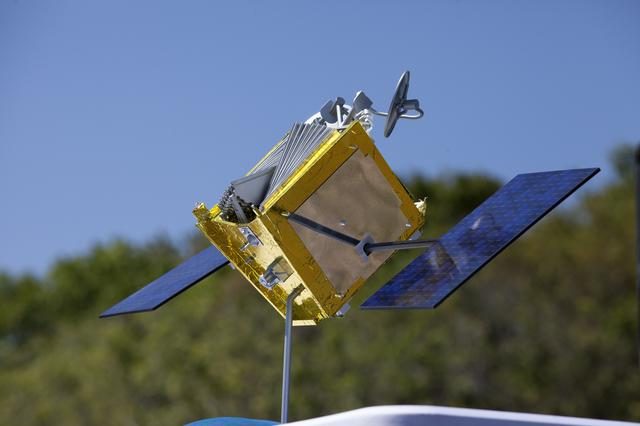
Iridium NEXT is the second-generation satellite constellation operated by Iridium Communications. It serves as a global network for voice and data communication, replacing the original Iridium constellation launched in the late 1990s. The new constellation comprises 66 operational satellites in low Earth orbit (LEO), providing coverage over the entire Earth's surface. This upgrade was essential to enhance service quality and capacity, allowing for more robust and reliable communications.
Mission and Purpose
The primary mission of Iridium NEXT is to provide global satellite communication services, including voice, data, and broadband capabilities. The constellation supports a wide range of applications, from maritime and aviation communications to Internet of Things (IoT) connectivity. Its design allows for seamless communication across polar regions, oceans, and remote areas where terrestrial networks are unavailable. This makes it a critical infrastructure for industries such as shipping, aviation, and emergency services.
Orbital Characteristics
The Iridium NEXT satellites are positioned in a polar orbit at an altitude of approximately 780 kilometres. Each satellite orbits the Earth approximately every 100 minutes, providing consistent global coverage. The constellation is arranged in six orbital planes, each containing 11 satellites, with an inclination of 86.4 degrees. This configuration ensures that at least one satellite is always visible from any point on Earth. The NORAD IDs for these satellites range from 41877 to 41942.
Significance and Legacy
Iridium NEXT represents a significant advancement in satellite communication technology. By replacing the original Iridium constellation, it eliminated the phenomenon known as 'Iridium flares', which were caused by sunlight reflecting off the old satellites' antennas. The new design reduces light pollution and enhances the night sky's natural beauty. Additionally, Iridium NEXT has set a precedent for satellite constellations by demonstrating the feasibility of large-scale deployment and operation in LEO, paving the way for future constellations like Starlink.
Current Status
As of now, the Iridium NEXT constellation is fully operational, with all 66 satellites functioning as intended. The constellation also includes nine in-orbit spares to ensure continuous service in case of any satellite failure. The satellites are actively monitored and managed to maintain their precise orbits, ensuring optimal performance. For those interested in tracking the constellation's activity, detailed information is available in the Orbital Radar Satellite Library.
📎 Cite this article
Orbital Radar Newsroom. (2026). Iridium NEXT: The Flash-Free Replacement Constellation. Orbital Radar. https://orbitalradar.com/blog/iridium-next-satellite-constellation"Iridium NEXT: The Flash-Free Replacement Constellation." Orbital Radar, 8 July 2026, https://orbitalradar.com/blog/iridium-next-satellite-constellation.@misc{orbitalradar_iridium_next_satellite_constellation,
title = {Iridium NEXT: The Flash-Free Replacement Constellation},
author = {{Orbital Radar}},
year = {2026},
howpublished = {\url{https://orbitalradar.com/blog/iridium-next-satellite-constellation}}
}