Mars Orbiters: Tracking the Red Planet's Satellites
Mars orbiters are satellites that study Mars from orbit, providing data on its atmosphere, surface, and climate. Learn how they work and their significance.
| Active satellites | 15,722 |
| Starlink active | 9,839 |
| Catalogued objects | 31,392 |
| Predicted re-entries | 30 |
| Active close approaches | 18 |
| People in space | 10 |
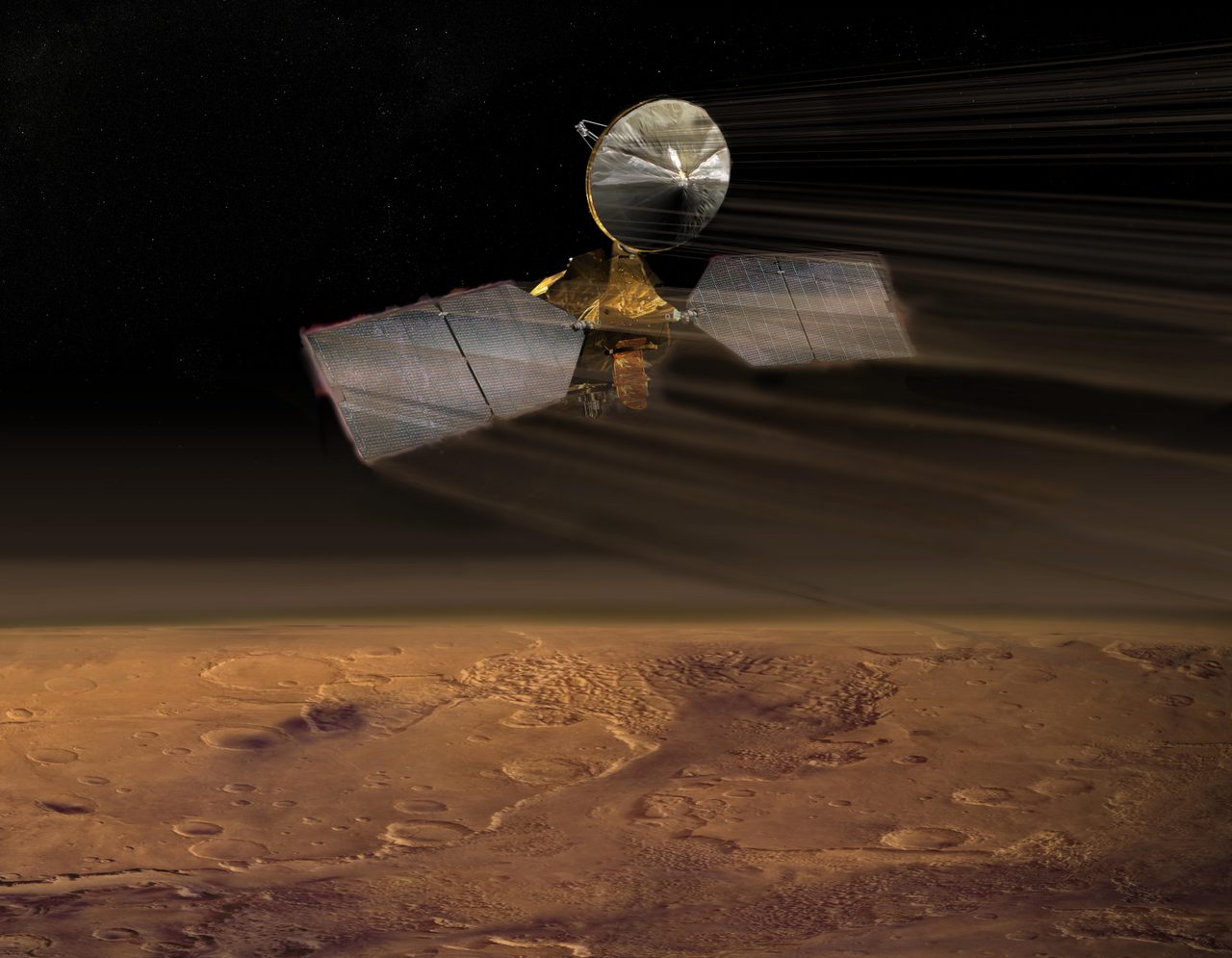
Mars orbiters are satellites that orbit the planet Mars, gathering data about its atmosphere, surface, and climate. These spacecraft play a crucial role in our understanding of the Red Planet, offering insights that guide future missions and scientific research.
What Are Mars Orbiters and Their Missions?
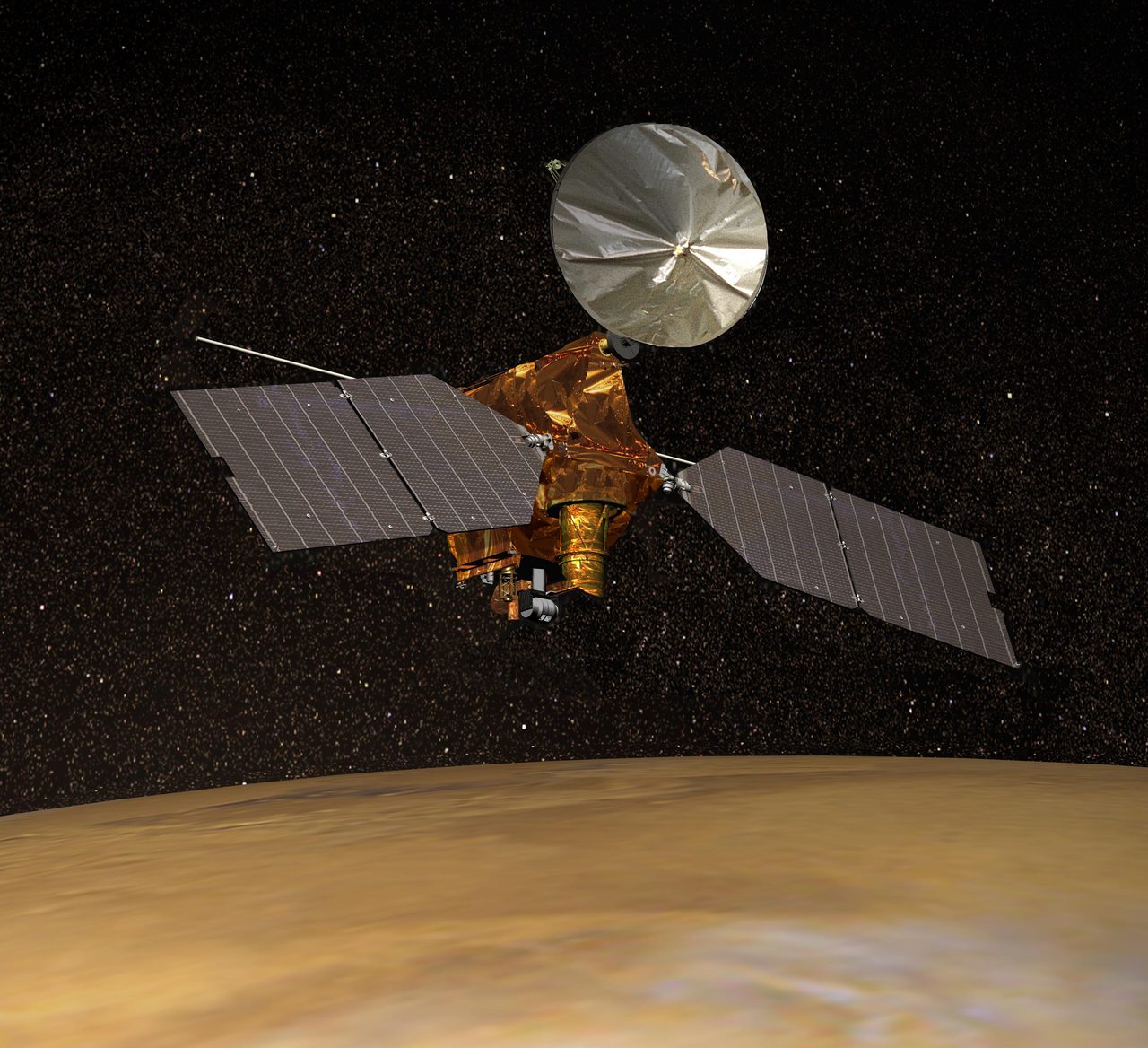
Mars orbiters are designed to study the planet from above, providing a wealth of information about its geological features and atmospheric conditions. Notable missions include NASA's Mars Reconnaissance Orbiter (MRO), which has been in orbit since 2006, and the European Space Agency's Mars Express, operational since 2003. These orbiters have delivered high-resolution images and data that have transformed our understanding of Mars.
How Do Mars Orbiters Work?

Mars orbiters operate by using various scientific instruments to collect data as they circle the planet. Instruments such as spectrometers, cameras, and radar systems allow these spacecraft to analyse the Martian surface and atmosphere. For instance, MRO's HiRISE camera captures detailed images of the surface, while its SHARAD radar probes subsurface structures.
Why Are Mars Orbiters Important?
Mars orbiters are vital for advancing our knowledge of Mars and supporting future exploration missions. They provide critical data on potential landing sites for rovers and human missions, assess the planet's habitability, and monitor climate and weather patterns. This information is essential for planning safe and successful missions to Mars.
Mars Orbiters vs. Mars Rovers
While both orbiters and rovers are crucial for Mars exploration, they serve different purposes. Orbiters provide a broad overview of the planet from above, while rovers like Perseverance and Curiosity conduct detailed surface analyses. Together, they offer complementary perspectives that enrich our understanding of Mars.
Tracking Mars Orbiters
Tracking Mars orbiters involves monitoring their trajectories and data transmissions. Orbital Radar's Mars Globe provides real-time tracking of these spacecraft, allowing scientists and enthusiasts to follow their paths and study their findings. This tracking is crucial for maintaining communication and ensuring mission success.
Key Takeaways
Mars orbiters are essential tools for exploring and understanding the Red Planet. They provide valuable data that informs scientific research and mission planning. With advances in technology, these orbiters continue to enhance our knowledge, paving the way for future exploration.
Frequently Asked Questions
How many Mars orbiters are currently active?
What instruments do Mars orbiters use?
How do Mars orbiters communicate with Earth?
What is the role of Mars orbiters in future missions?
How do Mars orbiters contribute to our understanding of Mars?
📎 Cite this article · data available
Orbital Radar Newsroom. (2026). Mars Orbiters: Tracking the Red Planet's Satellites. Orbital Radar. https://orbitalradar.com/blog/mars-orbiters-explainer"Mars Orbiters: Tracking the Red Planet's Satellites." Orbital Radar, 17 September 2026, https://orbitalradar.com/blog/mars-orbiters-explainer.@misc{orbitalradar_mars_orbiters_explainer,
title = {Mars Orbiters: Tracking the Red Planet's Satellites},
author = {{Orbital Radar}},
year = {2026},
howpublished = {\url{https://orbitalradar.com/blog/mars-orbiters-explainer}}
}