Starship Spotted by Starlink: A New Era of Space Observation
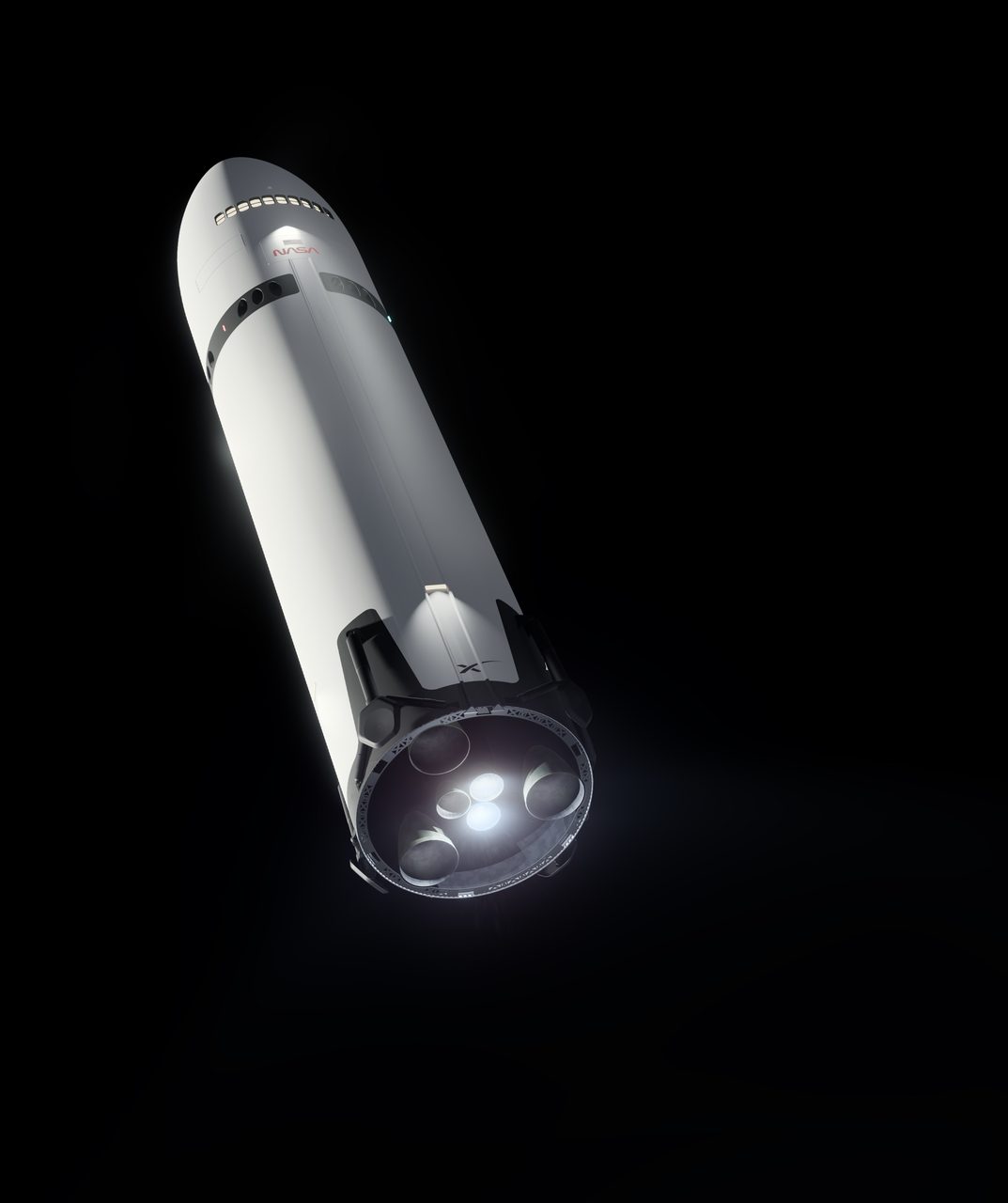
SpaceX's Starship was observed by a Starlink satellite, highlighting the integration of commercial space assets.
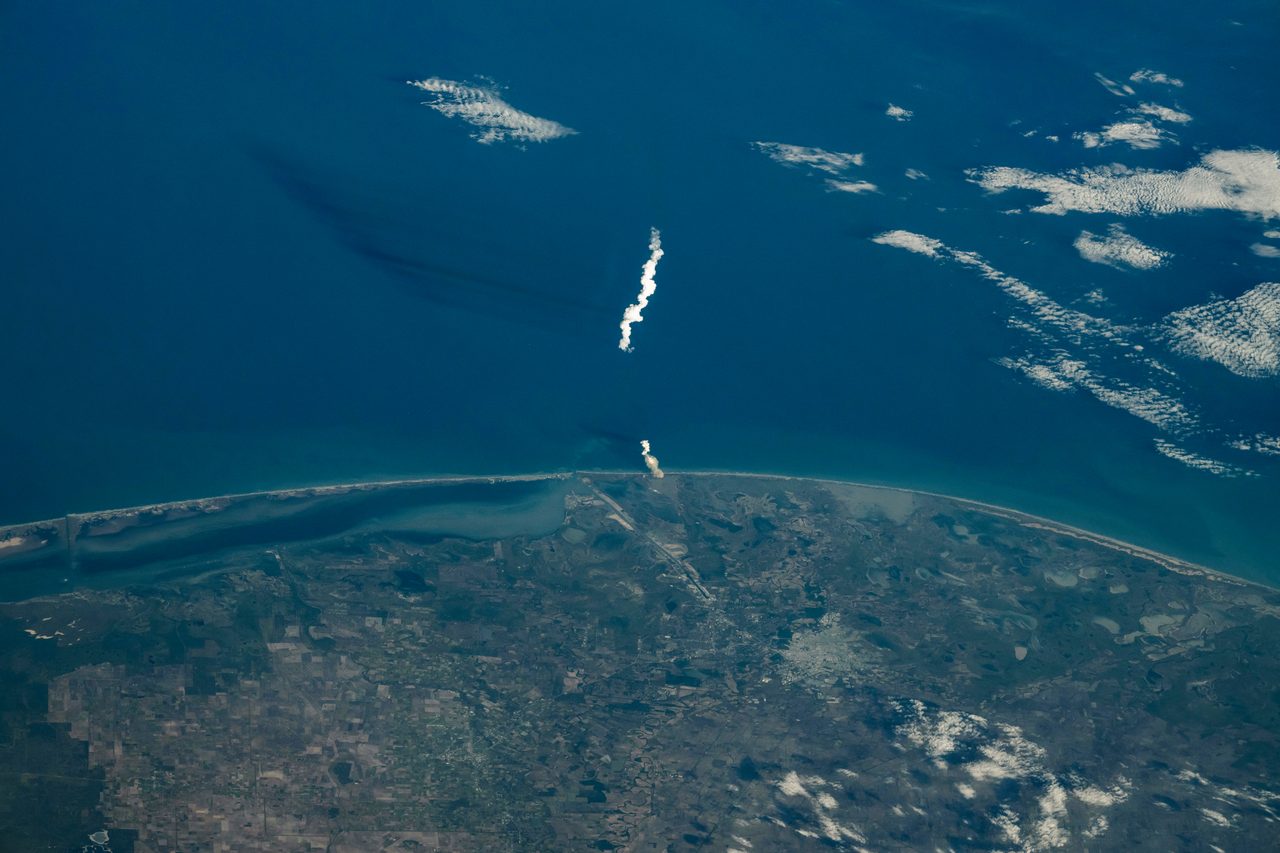
SpaceX's Starship, a key player in the future of interplanetary travel, has been captured on video by a next-generation Starlink satellite. This observation marks a significant milestone in the integration of commercial space assets, as it showcases the capabilities of Starlink's advanced imaging systems. The video, released by Space.com, provides a unique perspective on the Starship's journey through space, underscoring the growing interconnectedness of SpaceX's projects. For those interested in tracking the Starlink constellation, the Starlink Tracker offers real-time updates on satellite positions.
Neptune's Moons: A Result of Cosmic Collisions
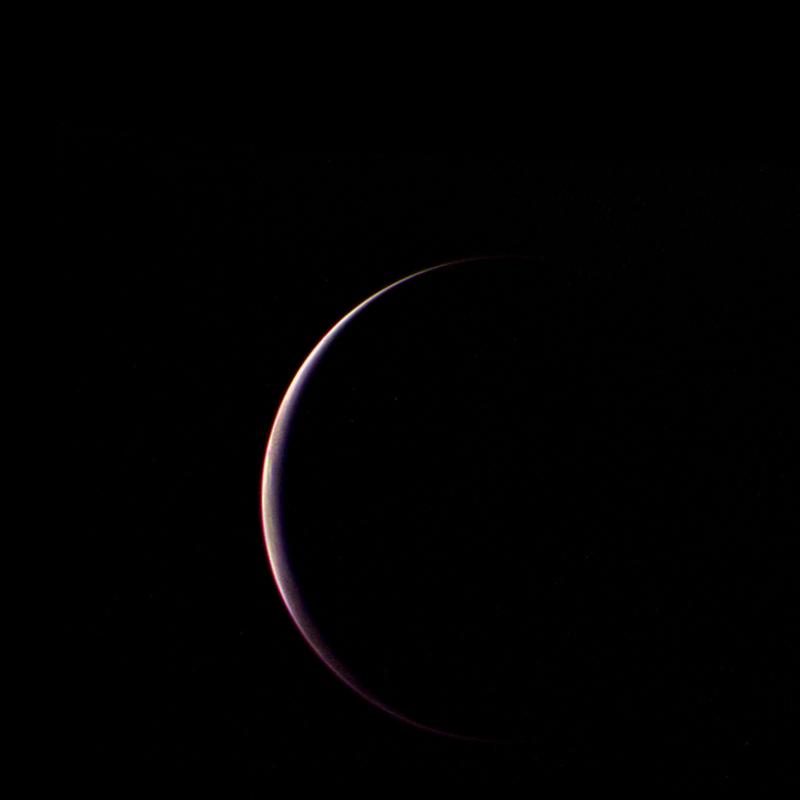
Recent research suggests that Neptune's inner moons and rings were formed from the remnants of smashed ice worlds. This theory, detailed by Universe Today, proposes that the collisions of icy bodies in the distant past led to the creation of these celestial features. The findings provide new insights into the dynamic processes that shape our solar system's outer planets. For those interested in the broader context of planetary formation, the Space Academy offers a wealth of educational resources.
Lunar Ice: Moonquakes Could Hold the Key
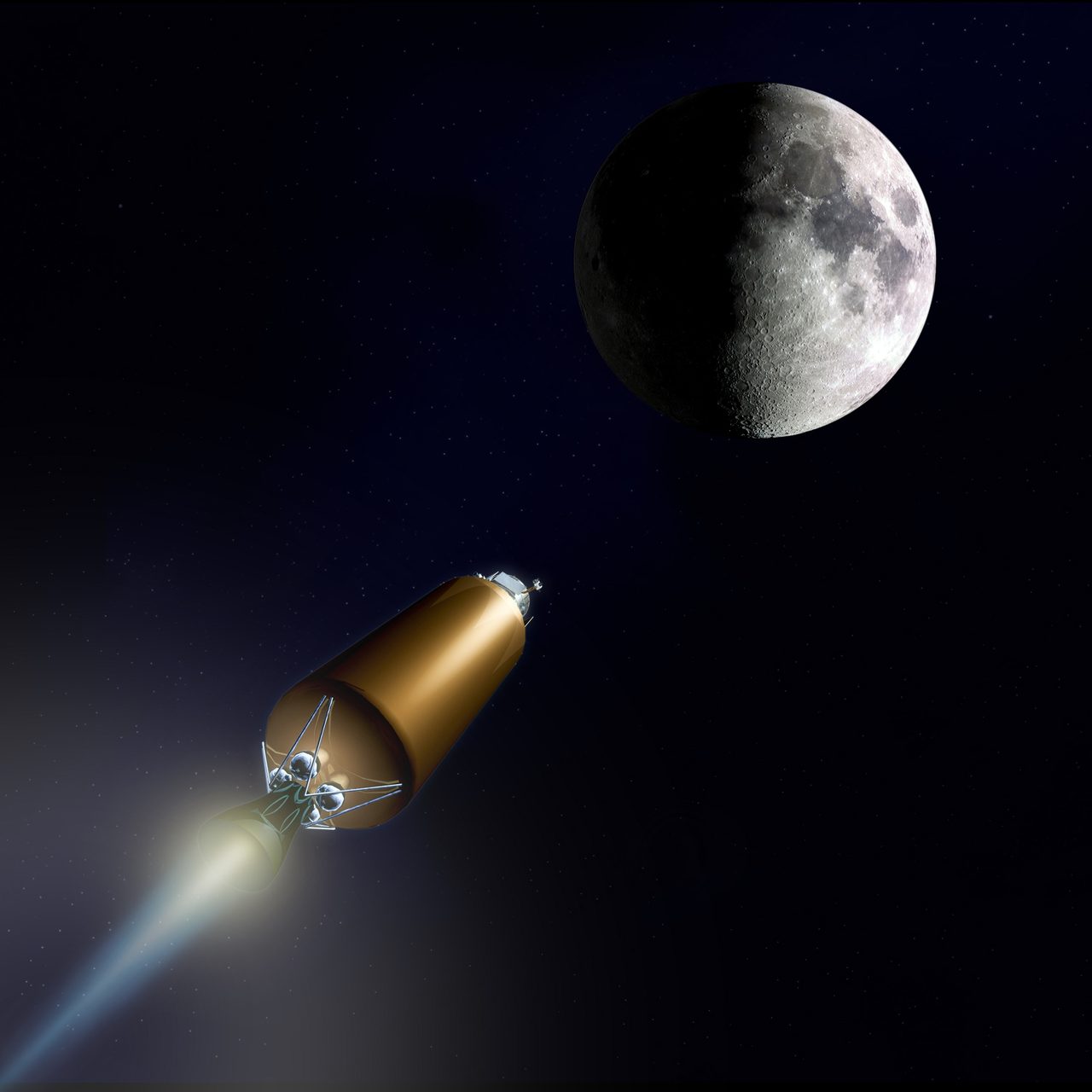
Moonquakes, seismic activities on the Moon, might reveal the presence of ice buried beneath the lunar south polar craters. According to Phys.org, these quakes could help scientists pinpoint locations where ice is trapped within the Moon's regolith (the layer of loose, heterogeneous material covering solid rock). This discovery is crucial for future lunar missions, as water is a vital resource for sustained human presence on the Moon. The Moon Globe provides real-time data on lunar conditions and ongoing missions.
What to Watch: August Sky Events
August offers a variety of celestial events for skywatchers. According to NASA's skywatching tips, the Buck Moon will be visible, accompanied by the Belt of Venus phenomenon—a pinkish band that appears in the sky during twilight. Additionally, several planets, including Jupiter and Saturn, will be prominent in the night sky. For precise viewing times and locations, the Pass Predictor can help enthusiasts plan their observations.
Frequently Asked Questions
How can I track Starlink satellites?
What causes moonquakes?
📎 Cite this article
Orbital Radar Newsroom. (2026). Starship Spotted by Starlink: A New Era of Space Observation. Orbital Radar. https://orbitalradar.com/blog/orbital-briefing-2026-08-01"Starship Spotted by Starlink: A New Era of Space Observation." Orbital Radar, 1 August 2026, https://orbitalradar.com/blog/orbital-briefing-2026-08-01.@misc{orbitalradar_orbital_briefing_2026_08_01,
title = {Starship Spotted by Starlink: A New Era of Space Observation},
author = {{Orbital Radar}},
year = {2026},
howpublished = {\url{https://orbitalradar.com/blog/orbital-briefing-2026-08-01}}
}