Unveiling Olympus Mons: Mars' Towering Giant
Discover Olympus Mons, Mars' colossal volcano, towering nearly three times higher than Earth's Mount Everest.
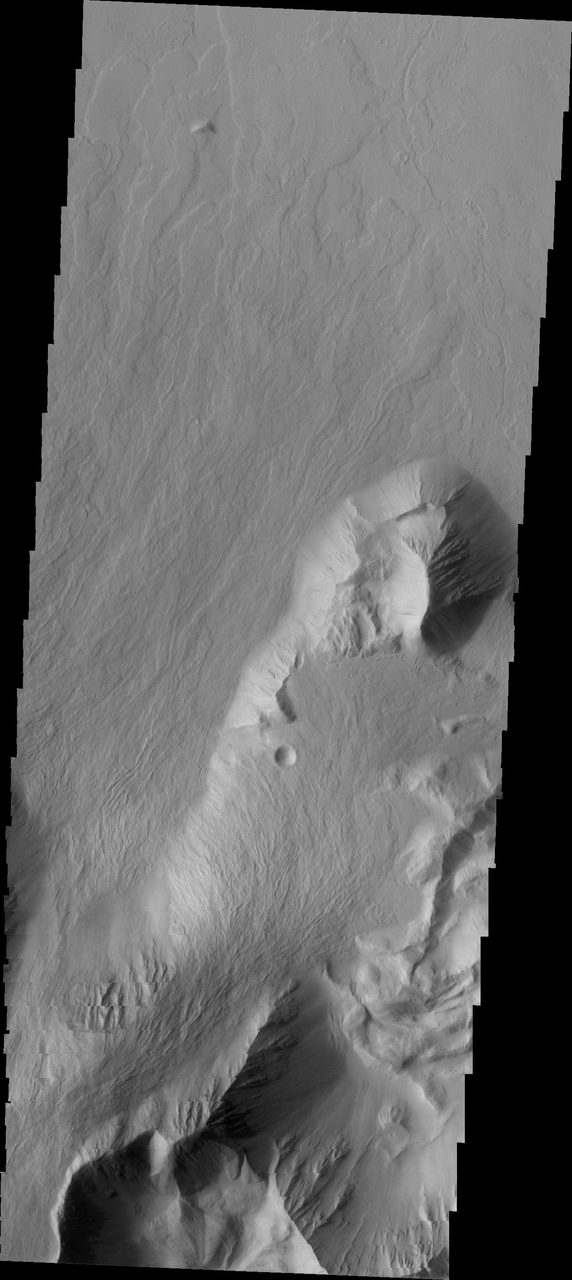
Olympus Mons, the towering giant of Mars, stands as the tallest volcano in our solar system. Rising to an astonishing height of approximately 22 kilometres, it dwarfs Earth's Mount Everest, which peaks at just under 9 kilometres. This colossal shield volcano, formed by repeated lava flows over millions of years, spans about 600 kilometres in diameter, making it roughly the size of the state of Arizona. Its massive caldera, a depression at the summit, stretches 80 kilometres wide, a testament to its volcanic activity.
The formation of Olympus Mons is a fascinating subject of study for planetary geologists. Mars' lower gravity, combined with a lack of tectonic plate movement, allowed the volcano to grow to such extraordinary heights. Unlike Earth, where plate tectonics distribute volcanic activity across the planet, Mars' stationary crust enabled Olympus Mons to build up over a single hotspot. This unique geological setting offers insights into the volcanic processes that shape planetary surfaces.
Mars' Volcanic Legacy
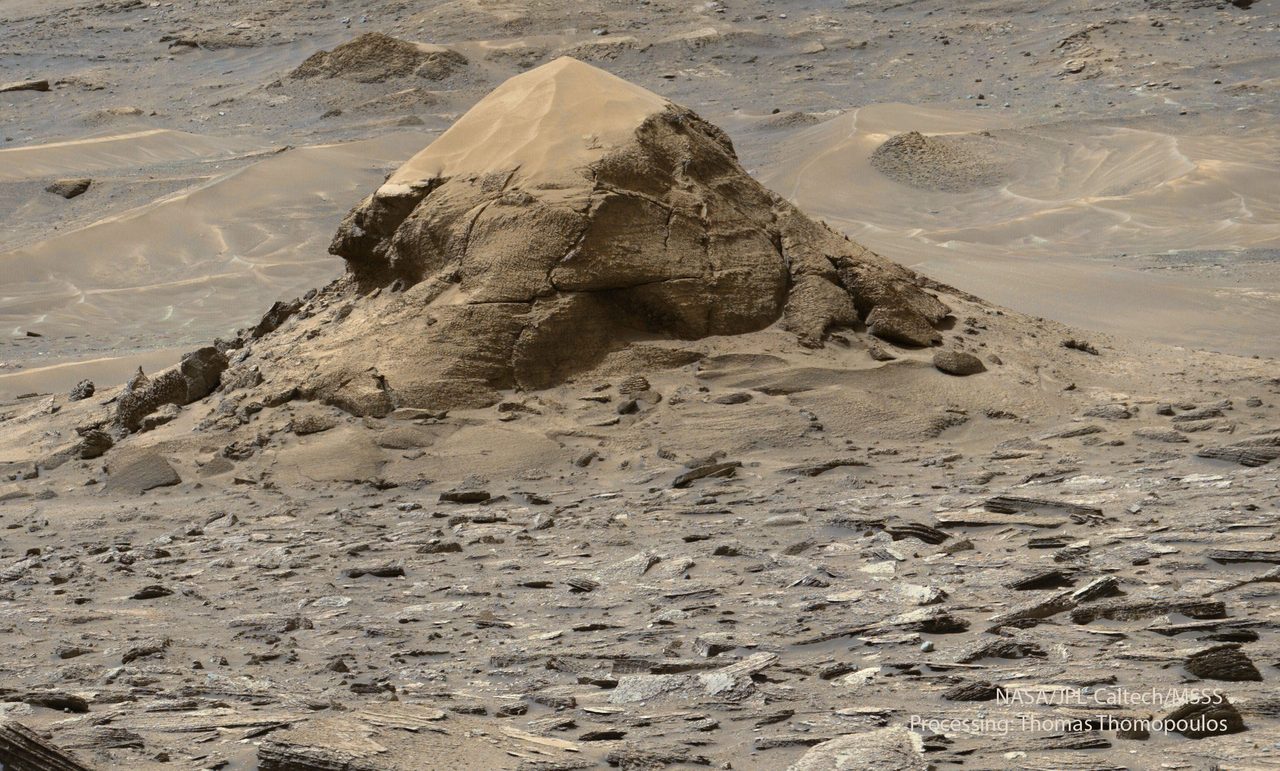
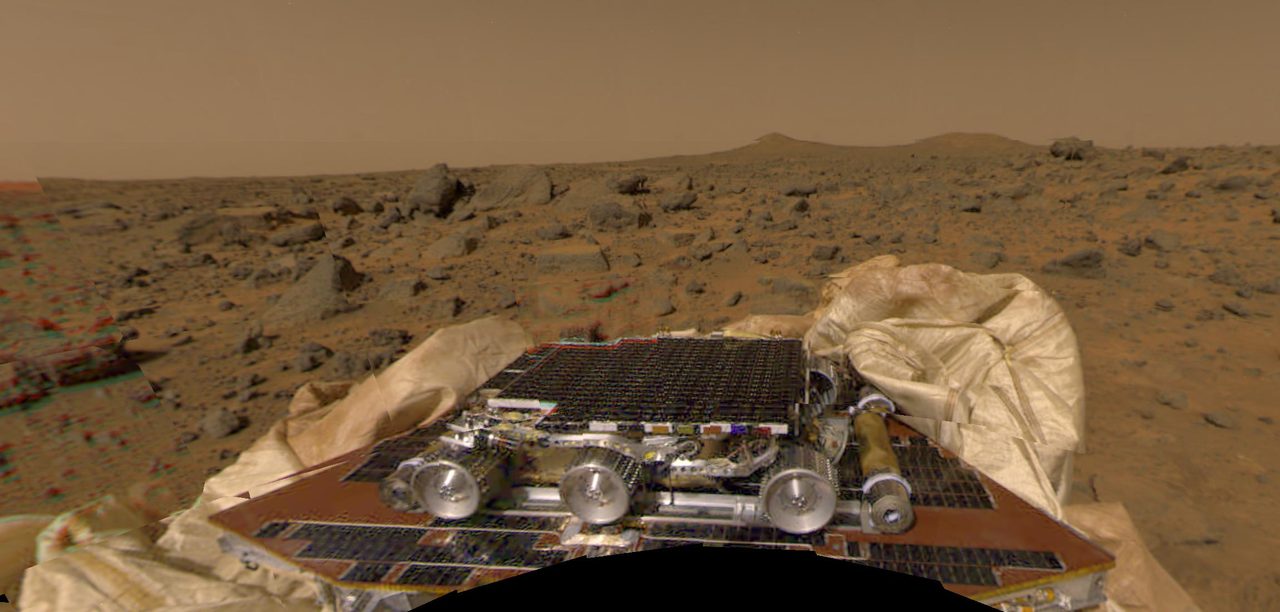
The study of Olympus Mons provides valuable clues about Mars' volcanic past and its potential for future activity. Understanding the composition and age of lava flows can reveal the planet's thermal evolution and internal structure. Current missions, such as NASA's Perseverance rover, continue to explore Mars' surface, searching for signs of past life and analysing geological formations. These missions contribute to our understanding of Mars' history and its potential habitability.
For those interested in tracking Mars missions or learning more about the Red Planet's features, the Mars Rovers page on Orbital Radar offers detailed information on current and past explorations.
Observing Mars from Earth
While observing Olympus Mons directly from Earth is impossible due to its distance, Mars itself is a prominent feature in the night sky. During favourable oppositions, when Mars is closest to Earth, amateur astronomers can observe the planet's surface features through telescopes. To plan your next opportunity to view Mars, you can use the Pass Predictor on Orbital Radar, which provides details on visible passes and optimal viewing times.
Frequently Asked Questions
How tall is Olympus Mons compared to Mount Everest?
Why is Olympus Mons so large?
📎 Cite this article
Orbital Radar Newsroom. (2026). Unveiling Olympus Mons: Mars' Towering Giant. Orbital Radar. https://orbitalradar.com/blog/cosmic-gallery-2026-06-30"Unveiling Olympus Mons: Mars' Towering Giant." Orbital Radar, 30 June 2026, https://orbitalradar.com/blog/cosmic-gallery-2026-06-30.@misc{orbitalradar_cosmic_gallery_2026_06_30,
title = {Unveiling Olympus Mons: Mars' Towering Giant},
author = {{Orbital Radar}},
year = {2026},
howpublished = {\url{https://orbitalradar.com/blog/cosmic-gallery-2026-06-30}}
}