MMX launches towards Phobos: Orbital Briefing, 20 October
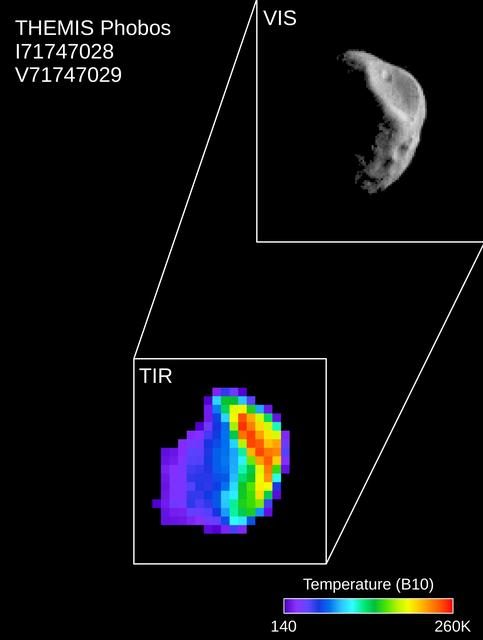
Japan's MMX mission is heading towards Mars to return samples of Phobos. Meanwhile, satellite close approaches and a busy launch schedule remain in focus.
| Active satellites | 15,870 |
| Starlink active | 10,081 |
| Catalogued objects | 31,808 |
| Predicted re-entries | 18 |
| Active close approaches | 21 |
| People in space | 10 |
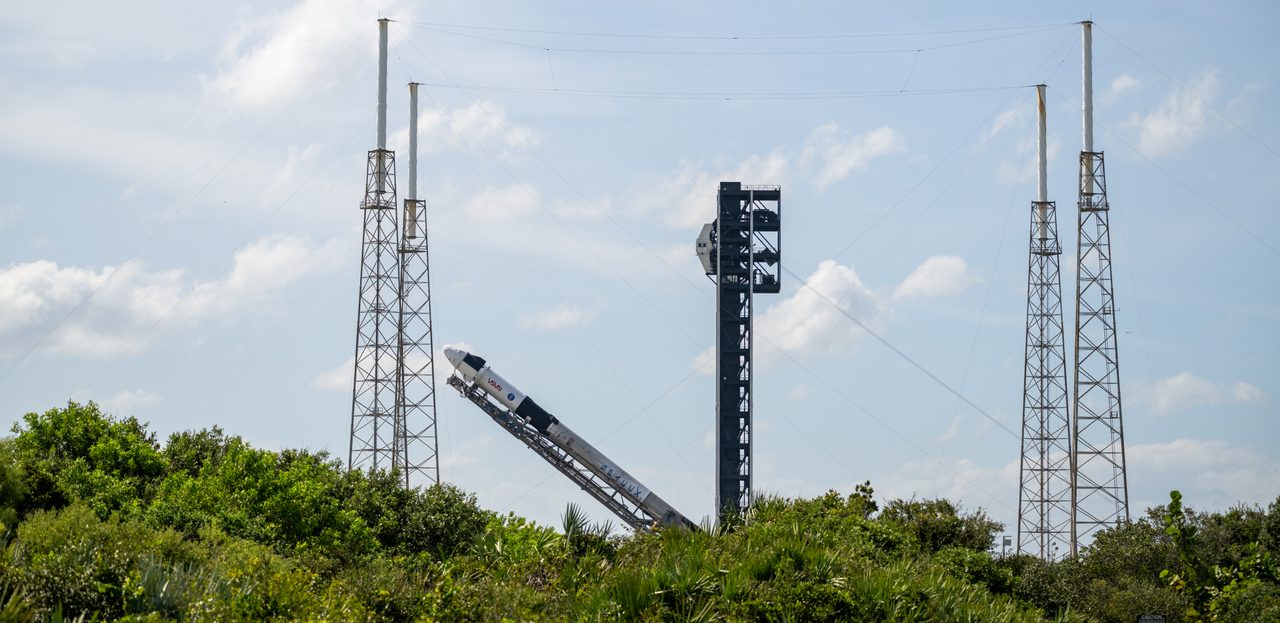
Japan's Martian Moons eXploration mission, MMX, has launched towards Mars, moving its effort to return samples of Phobos from launch preparations into interplanetary flight. The successful departure makes planetary exploration the central development in Tuesday's briefing.
MMX launched aboard H3-24 at 19:41 UTC on 19 October 2026, according to Orbital Radar tracking data. Operated by Japan's space agency, JAXA, the mission aims to bring material from the Martian moon back to Earth for laboratory study.
The launch is a milestone, not the completion of that task: reaching Mars, operating around Phobos and returning samples remain distinct challenges. Readers can explore JAXA's place in planetary exploration through Orbital Radar's space agencies directory.
Close approaches demand careful interpretation
Orbital Radar tracking data lists 21 active close approaches on 20 October 2026. Among the encounters being tracked, SATELIOT-6 and OBJECT BN have a listed minimum separation of approximately 0.80 km; an encounter between objects labelled FENGYUN 1C DEB has a minimum of approximately 1.57 km.
These distances describe close approaches, not confirmed collisions or collision probabilities. Assessing the danger also requires understanding uncertainty in the objects' positions and when their paths bring them closest together.
A separate report describes a Russian spacecraft manoeuvring in extreme proximity to a satellite used by Ukraine. That raises questions about intentional operations near other spacecraft, distinct from debris encounters; Orbital Radar's space situational awareness toolkit provides context for following activity in orbit.
Quiet space weather, crowded orbits
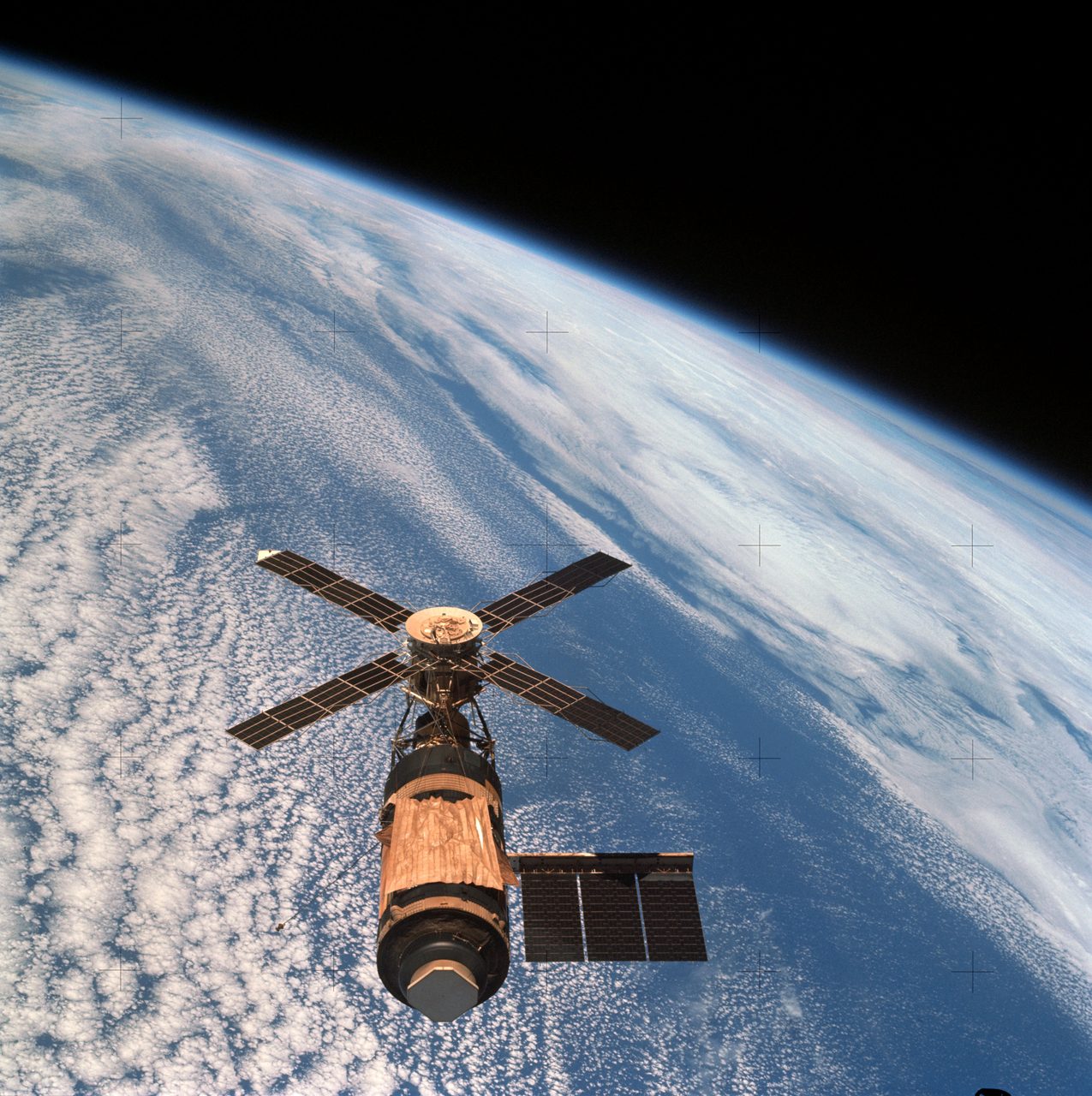
Orbital Radar's live catalogue lists 10,081 operational Starlink satellites on 20 October 2026. The constellation also has 874 satellites raising their orbits and 197 deorbiting, illustrating why a satellite's presence in orbit does not necessarily mean it is providing service.
Those changing operational states can be followed through the Starlink Tracker. Across the wider orbital environment, spacecraft operators must distinguish working satellites from vehicles still moving towards their intended orbits or beginning their descent.
Space weather is comparatively quiet: the Kp index, a measure of global geomagnetic disturbance, stands at 0. The current risk indicators are green for low Earth orbit, geostationary orbit and the International Space Station, although quiet geomagnetic conditions do not remove the need for collision monitoring.
What to Watch
SpaceX's Falcon 9 Block 5 missions Bandwagon 5 and Starlink Group 15-15 are scheduled for 20 October at 10:30 UTC and 23:10 UTC respectively. Both are listed as go for launch, rather than completed flights.
The next day's schedule includes Galactic Energy's Ceres-1S at 03:35 UTC and Rocket Lab's Electron mission, We're Not Hawking Around, at 07:00 UTC on 21 October. Electron is scheduled to carry three HawkEye 360 satellites.
Long March 8A follows on 22 October at 02:57 UTC, with its payload unidentified. Launch times remain subject to change; Orbital Radar's Launch Schedule is the place to follow their status.
Frequently Asked Questions
Has Japan's MMX mission launched?
What space launches are scheduled for 20 October 2026?
📎 Cite this article · data available
Orbital Radar Newsroom. (2026). MMX launches towards Phobos: Orbital Briefing, 20 October. Orbital Radar. https://orbitalradar.com/blog/orbital-briefing-2026-10-20"MMX launches towards Phobos: Orbital Briefing, 20 October." Orbital Radar, 20 October 2026, https://orbitalradar.com/blog/orbital-briefing-2026-10-20.@misc{orbitalradar_orbital_briefing_2026_10_20,
title = {MMX launches towards Phobos: Orbital Briefing, 20 October},
author = {{Orbital Radar}},
year = {2026},
howpublished = {\url{https://orbitalradar.com/blog/orbital-briefing-2026-10-20}}
}