Juno Reveals Jupiter's Wavy Magnetodisk on 14 October 2026

Juno spacecraft data reveals Jupiter's wavy magnetodisk. Close satellite approaches and space weather updates.
| Active close approaches | 20 |
| People in space | 10 |
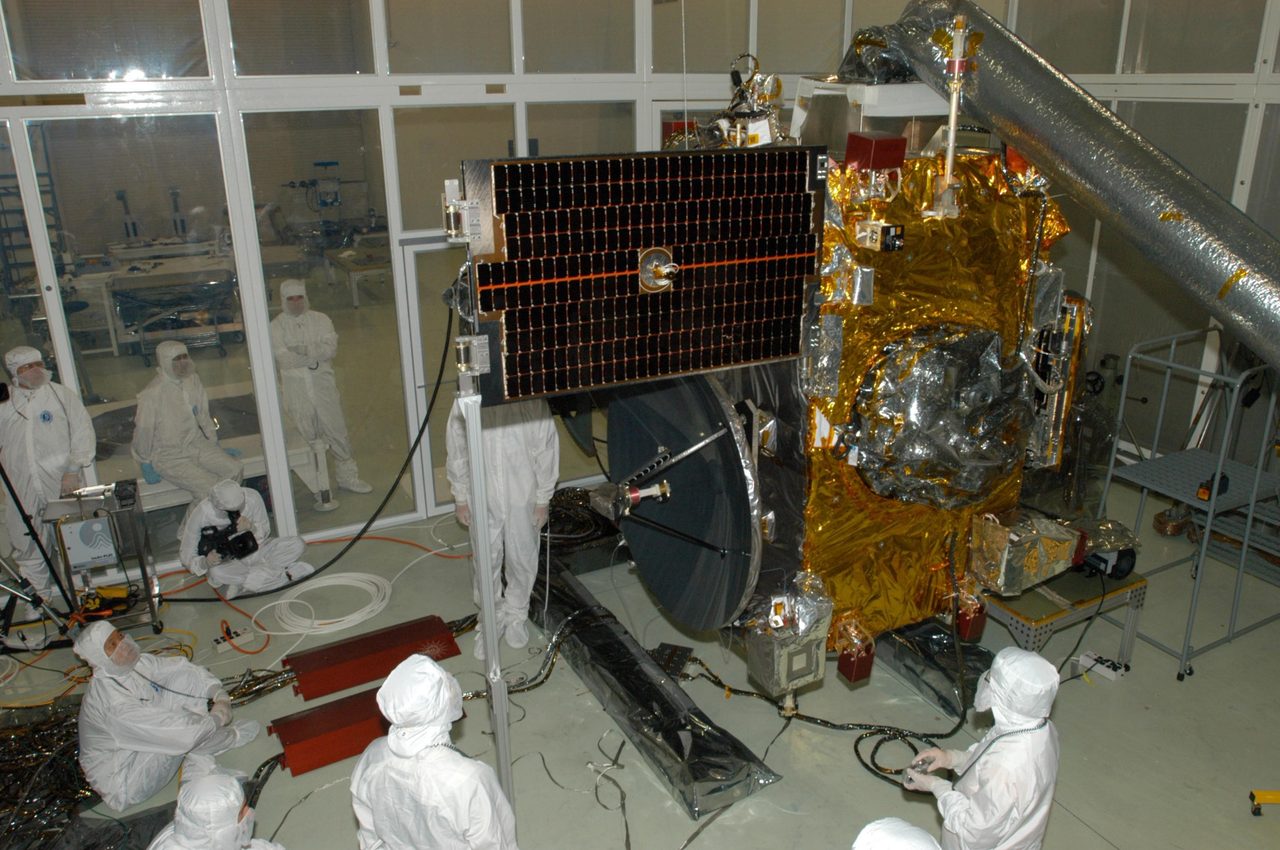
New data from NASA's Juno spacecraft has revealed that Jupiter's magnetodisk, a region of charged particles trapped by the planet's magnetic field, exhibits a rippling, wavy pattern. This discovery provides fresh insights into the complex magnetic environment of the gas giant, which influences its auroras and radiation belts. Juno, which has been orbiting Jupiter since 2016, continues to enhance our understanding of the planet's atmospheric dynamics and magnetic field.
Close Approaches in Orbit
Several close approaches between satellites have been recorded, with the most notable being between TIANHUI 5C and TIANHUI 5D, which passed within approximately 0.86 km of each other. Such close encounters highlight the increasing congestion in low Earth orbit (LEO), where 16,887 objects are currently tracked according to Orbital Radar's debris map. These events underscore the importance of space situational awareness to prevent potential collisions.
Space Weather and Atmospheric Conditions

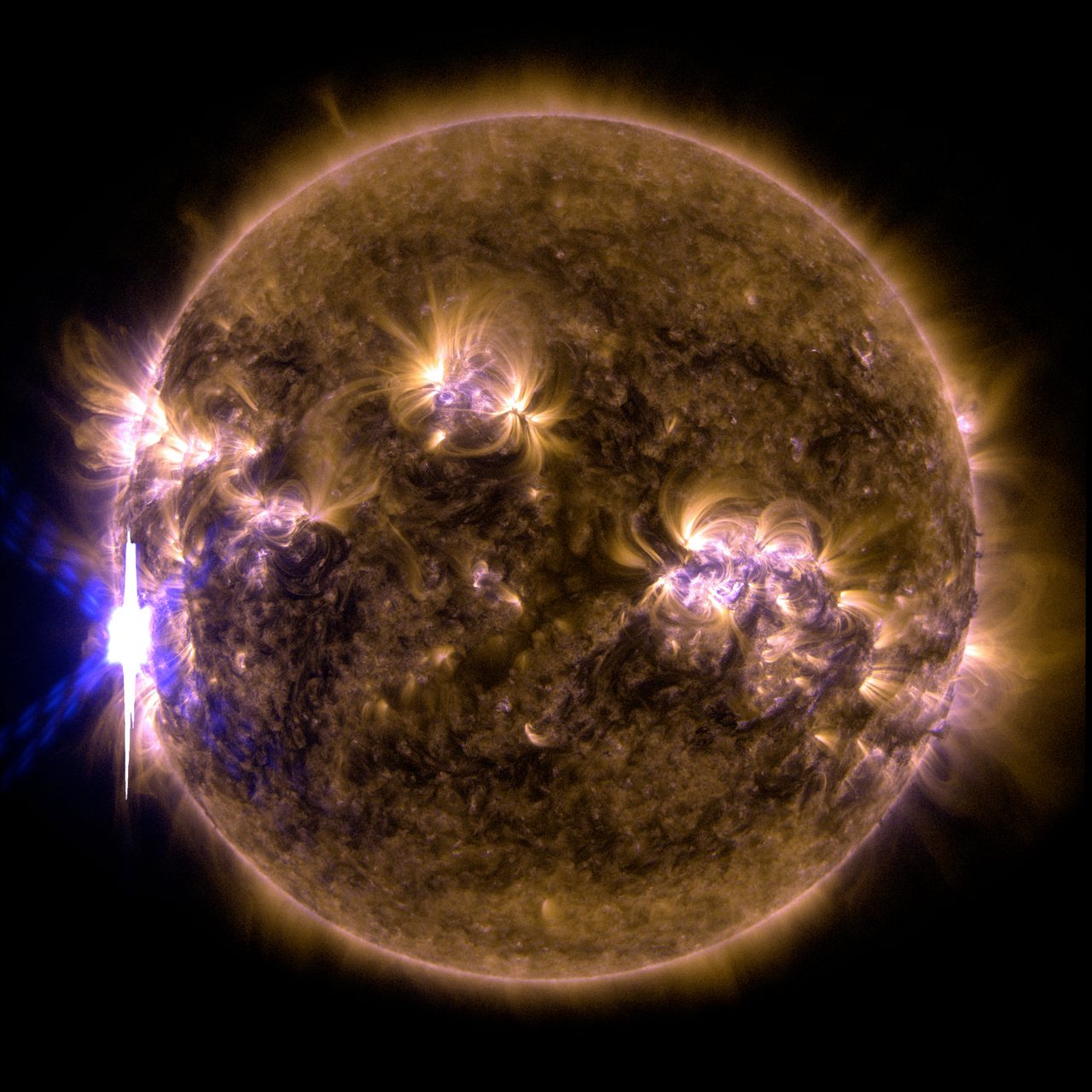
Today's space weather is relatively calm, with a Kp index of 0, indicating minimal geomagnetic activity. However, solar wind speed remains elevated at 577 km/s, which could influence conditions in LEO. The current space weather conditions are categorised as 'yellow' for LEO, suggesting a moderate level of caution for satellite operators. For real-time updates, visit Orbital Radar's SSA hub.
What to Watch
This week is relatively quiet in terms of launches, with no scheduled events. However, the recent return of SpaceX's Ship 40 to Starbase after a surprise reentry survival has captured attention. While no launches are imminent, the Orbital Radar launch schedule provides updates on upcoming missions. Additionally, visible satellite passes can be checked using the Orbital Radar pass predictor.
Frequently Asked Questions
What did Juno discover about Jupiter?
How many satellites are currently tracked in orbit?
📎 Cite this article · data available
Orbital Radar Newsroom. (2026). Juno Reveals Jupiter's Wavy Magnetodisk on 14 October 2026. Orbital Radar. https://orbitalradar.com/blog/orbital-briefing-2026-10-14"Juno Reveals Jupiter's Wavy Magnetodisk on 14 October 2026." Orbital Radar, 14 October 2026, https://orbitalradar.com/blog/orbital-briefing-2026-10-14.@misc{orbitalradar_orbital_briefing_2026_10_14,
title = {Juno Reveals Jupiter's Wavy Magnetodisk on 14 October 2026},
author = {{Orbital Radar}},
year = {2026},
howpublished = {\url{https://orbitalradar.com/blog/orbital-briefing-2026-10-14}}
}