Observing the unpredictable: BlackGEM’s search for light
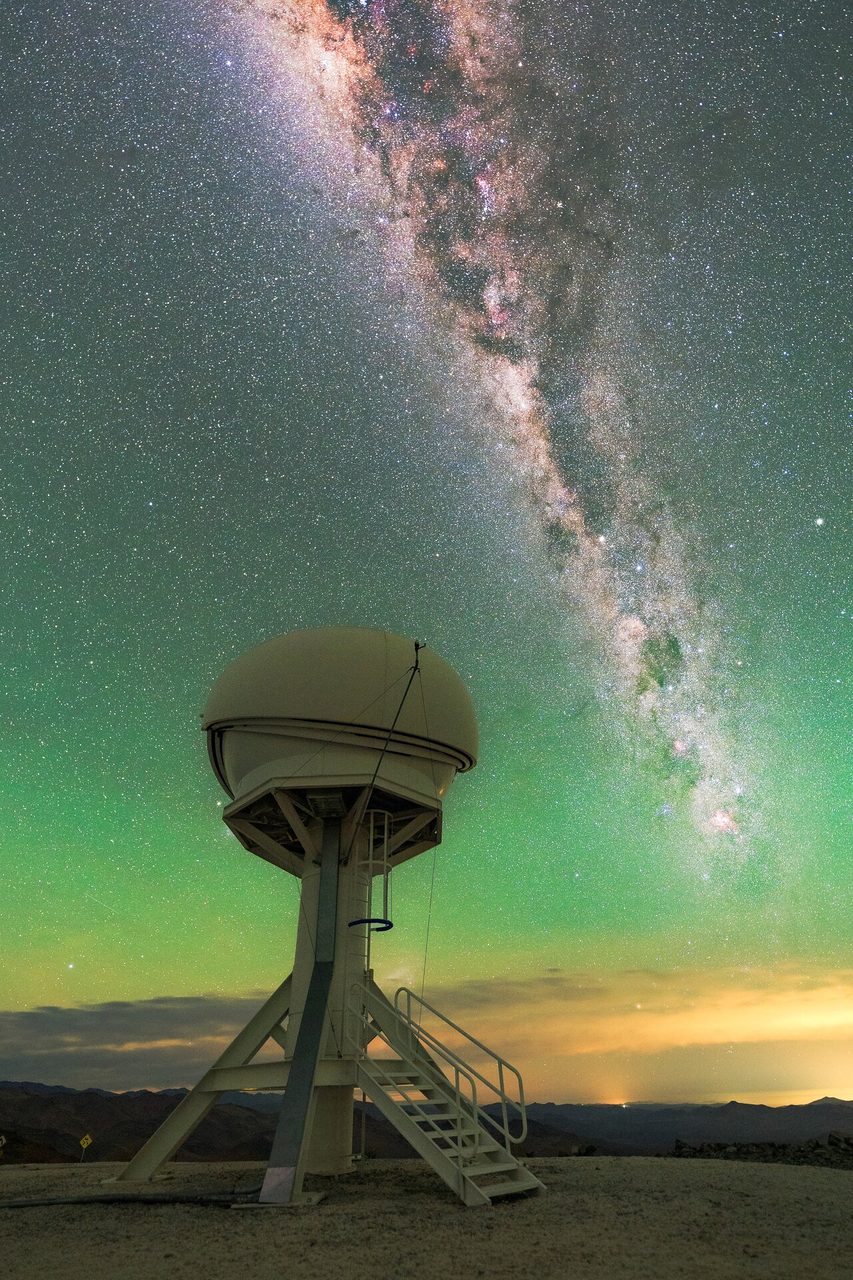
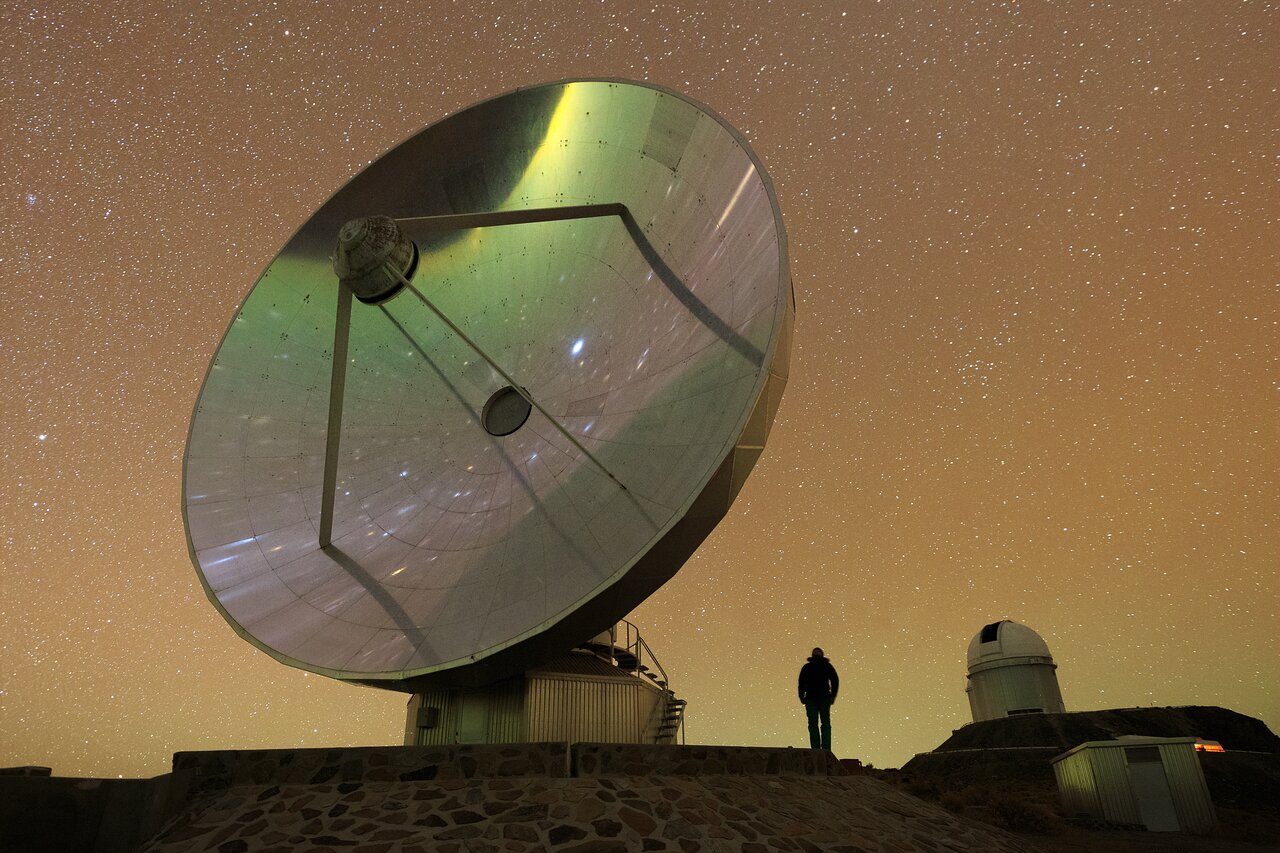
Beneath a starry sky, a BlackGEM telescope waits for evidence of distant collisions. Its task is to connect ripples in space-time with faint, fleeting light.
| Active satellites | 15,870 |
| Catalogued objects | 31,808 |
| Starlink active | 10,081 |
A BlackGEM telescope beneath a starry sky is built to answer a difficult question: where did a gravitational wave come from? The instrument shown is one of three hosted at ESO’s La Silla Observatory, designed to search for light associated with some of the Universe’s most violent collisions.
Gravitational waves (ripples in space-time) can be produced when neutron stars or black holes merge. Detectors such as LIGO and Virgo register these disturbances, but identifying their precise origin is harder. BlackGEM searches for an optical counterpart (visible light associated with the same event).
A merger involving two black holes is almost invisible in light. When a neutron star is involved, however, material left outside the merger’s remnant can heat up and shine faintly. BlackGEM’s rapid response helps astronomers locate that glow so larger instruments, including ESO’s Very Large Telescope, can examine it in greater detail.
Finding a fleeting source in a busy sky
BlackGEM is a joint project involving institutes in the Netherlands and Belgium, with telescopes that can be controlled remotely from Radboud University. Its work connects gravitational-wave detection with optical astronomy: different ways of observing the same physical event.
Orbital Radar tracking data lists 15,870 active satellites in orbit as of 20 October 2026. Orbital Radar’s live catalogue contains 31,808 objects, including debris, as of 20 October 2026.
Those nearby objects belong to a very different population from BlackGEM’s distant targets, but they share our view of the sky. Readers planning their own observations can use the Orbital Radar Pass Predictor to check visible satellite passes, distinguishing a predictable moving light from the fleeting celestial sources astronomers seek.
Frequently Asked Questions
What does the BlackGEM telescope look for?
Where are the BlackGEM telescopes located?
📎 Cite this article · data available
Orbital Radar Newsroom. (2026). Observing the unpredictable: BlackGEM’s search for light. Orbital Radar. https://orbitalradar.com/blog/cosmic-gallery-2026-10-20"Observing the unpredictable: BlackGEM’s search for light." Orbital Radar, 20 October 2026, https://orbitalradar.com/blog/cosmic-gallery-2026-10-20.@misc{orbitalradar_cosmic_gallery_2026_10_20,
title = {Observing the unpredictable: BlackGEM’s search for light},
author = {{Orbital Radar}},
year = {2026},
howpublished = {\url{https://orbitalradar.com/blog/cosmic-gallery-2026-10-20}}
}