Starlink Satellites Experience Unusual Drag Changes
Several Starlink satellites have shown significant changes in drag, potentially due to space weather. NASA appoints Stephen Cash as Marshall Space Flight Center Director.
| Active satellites | 15,846 |
| Starlink active | 10,074 |
| Catalogued objects | 31,760 |
| Predicted re-entries | 7 |
| Active close approaches | 21 |
| People in space | 10 |
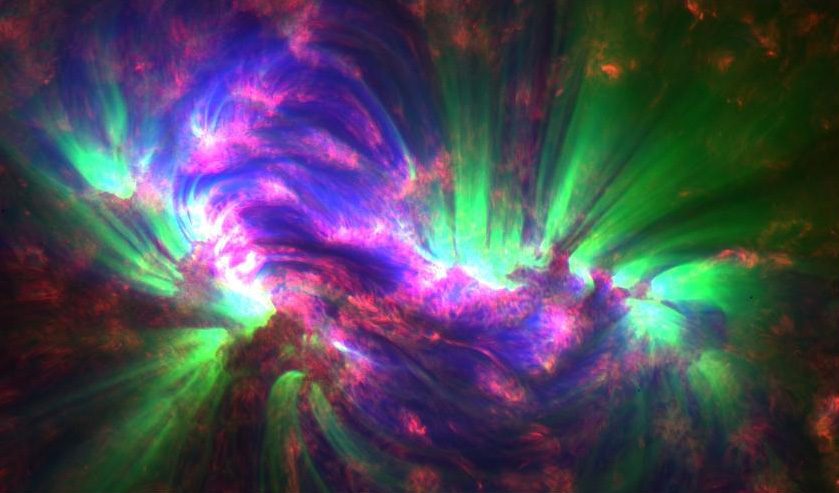
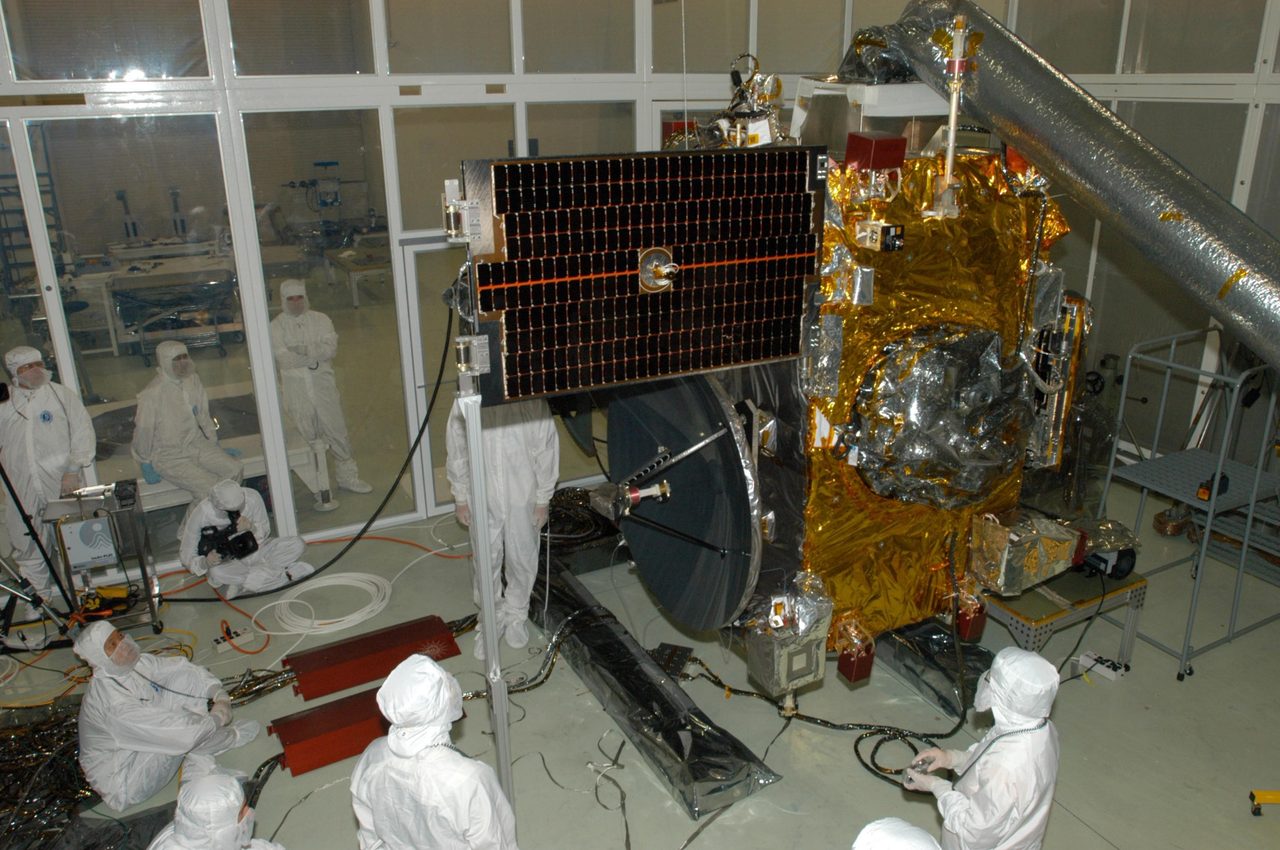
Several Starlink satellites have experienced significant changes in their drag terms, known as B*, suggesting possible impacts from space weather or manoeuvres. Notably, STARLINK-3867 showed a 138.6-fold increase, while STARLINK-3899 saw a 108.9-fold rise. These anomalies could indicate adjustments in altitude or reactions to atmospheric conditions. Orbital Radar's Starlink Tracker provides real-time updates on these satellites.
NASA Leadership Update
NASA has appointed Stephen Cash as the new Director of the Marshall Space Flight Center. This strategic leadership change comes as the centre continues its pivotal role in developing space launch systems and propulsion technologies. Cash's appointment is expected to steer the centre through upcoming challenges in the Artemis programme and other NASA initiatives.
What to Watch
While no new launches are scheduled for the immediate future, the Orionid meteor shower is set to peak this week. Stargazers can look forward to this annual celestial event, with optimal viewing conditions expected on the night of 21 October. For those interested in tracking upcoming launches, the Launch Schedule on Orbital Radar offers comprehensive details.
Frequently Asked Questions
Why are Starlink satellites experiencing increased drag?
Who is the new director of the Marshall Space Flight Center?
📎 Cite this article · data available
Orbital Radar Newsroom. (2026). Starlink Satellites Experience Unusual Drag Changes. Orbital Radar. https://orbitalradar.com/blog/orbital-briefing-2026-10-17"Starlink Satellites Experience Unusual Drag Changes." Orbital Radar, 17 October 2026, https://orbitalradar.com/blog/orbital-briefing-2026-10-17.@misc{orbitalradar_orbital_briefing_2026_10_17,
title = {Starlink Satellites Experience Unusual Drag Changes},
author = {{Orbital Radar}},
year = {2026},
howpublished = {\url{https://orbitalradar.com/blog/orbital-briefing-2026-10-17}}
}