Understanding Satellite Constellation Phasing: A Complete Guide
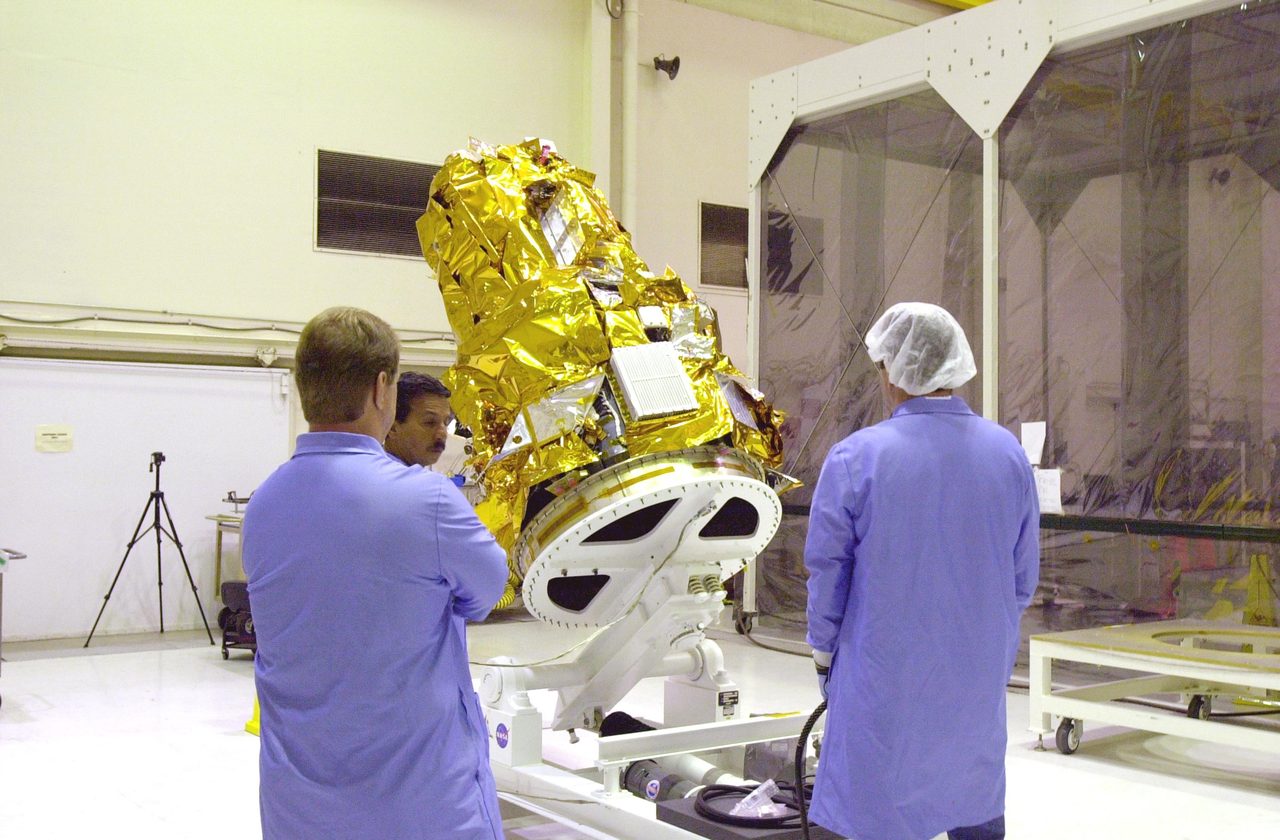
Constellation phasing is the process of arranging satellites in a constellation to ensure optimal coverage and functionality. Learn how it affects global satellite networks.
| Active satellites | 15,749 |
| Starlink active | 9,941 |
| Catalogued objects | 31,342 |
| Predicted re-entries | 21 |
| Active close approaches | 17 |
| People in space | 10 |
Constellation phasing refers to the strategic arrangement of satellites within a constellation to ensure optimal coverage and functionality. This process is crucial for maintaining consistent communication links and maximising the efficiency of satellite networks such as Starlink, which has 9,941 operational satellites as of the latest Orbital Radar tracking data.
What is Constellation Phasing?
In satellite networks, phasing involves adjusting the positions and timing of satellites to maintain a precise formation. This ensures that the satellites cover specific areas of the Earth without interference or overlap. For example, Starlink's constellation, with 11,133 satellites launched to date, relies on phasing to provide global internet coverage.
How Does Constellation Phasing Work?

Phasing is achieved by altering the orbital parameters of satellites, such as their altitude, inclination, and velocity. These adjustments are made using on-board propulsion systems or during the initial launch phase. The process is essential for constellations like OneWeb and Starlink, which require precise positioning to avoid collisions and ensure seamless service.
Why is Constellation Phasing Important?
Proper phasing is vital for avoiding collisions in space, especially given the 31,338 tracked objects in orbit, including 9,882 pieces of debris. It also ensures that satellite networks can deliver uninterrupted services, such as internet connectivity, navigation, and Earth observation. The Orbital Radar mega-constellations page provides further insights into the scale and impact of these networks.
Phasing in Mega-Constellations
Mega-constellations like Starlink and OneWeb consist of thousands of satellites. Phasing in these networks is particularly challenging due to their size. Starlink, for instance, has 7,556 V2 Mini satellites, which require precise phasing to maintain their operational integrity. The Starlink Tracker offers real-time updates on the status of these satellites.
Challenges and Solutions in Constellation Phasing

One of the main challenges in phasing is managing the increasing number of satellites and debris in orbit. With 17 active close approaches being tracked, collision avoidance is critical. Advanced tracking systems and AI are being developed to enhance phasing accuracy and safety. The Orbital Radar Academy provides educational resources on these technologies.
Key Takeaways
Constellation phasing is essential for the efficient operation of satellite networks. It involves precise orbital adjustments to ensure optimal coverage and collision avoidance. As of now, 15,749 active satellites are in orbit, highlighting the importance of effective phasing strategies.
Frequently Asked Questions
What is the purpose of constellation phasing?
How many satellites are in orbit?
What are the challenges of constellation phasing?
How does phasing affect satellite internet services?
What is a mega-constellation?
📎 Cite this article · data available
Orbital Radar Newsroom. (2026). Understanding Satellite Constellation Phasing: A Complete Guide. Orbital Radar. https://orbitalradar.com/blog/constellation-phasing-explainer"Understanding Satellite Constellation Phasing: A Complete Guide." Orbital Radar, 27 September 2026, https://orbitalradar.com/blog/constellation-phasing-explainer.@misc{orbitalradar_constellation_phasing_explainer,
title = {Understanding Satellite Constellation Phasing: A Complete Guide},
author = {{Orbital Radar}},
year = {2026},
howpublished = {\url{https://orbitalradar.com/blog/constellation-phasing-explainer}}
}