How Many Starlink Satellites Fall Each Day?
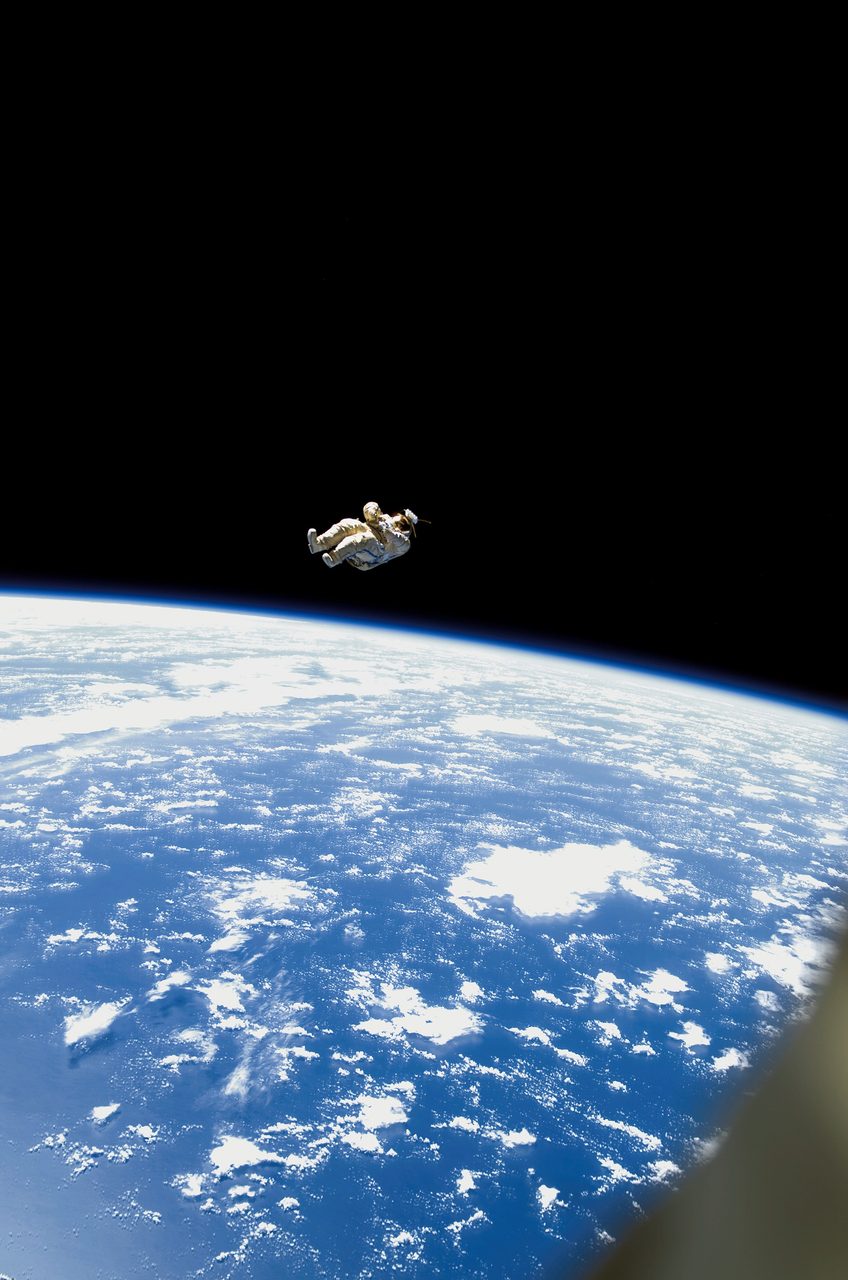
1.5 Starlink satellites re-enter Earth's atmosphere each day, according to Orbital Radar data. Explore the reasons behind these controlled re-entries.
| Active satellites | 15,870 |
| Starlink active | 10,077 |
| Catalogued objects | 31,796 |
| Active close approaches | 24 |
| People in space | 10 |
Approximately 1.5 Starlink satellites re-enter Earth's atmosphere each day, according to Orbital Radar's live data. This regular occurrence is a component of SpaceX's strategy to manage its satellite constellation sustainably.
As of 17 October 2026, 439 Starlink satellites have re-entered since the beginning of the year, illustrating the scale of SpaceX's operations in low Earth orbit. With 10,077 active Starlink satellites currently in orbit, the constellation is the largest ever flown, providing global broadband coverage with low latency.
The Starlink satellites orbit at altitudes between 480 and 570 kilometres, and their planned deorbiting is part of an effort to minimise space debris. This approach ensures that satellites are removed from orbit at the end of their operational life, reducing the risk of collisions with other objects. For those interested in tracking these re-entries, Orbital Radar offers a satellite re-entry tracker to follow the latest developments.
Why Do Starlink Satellites Re-enter?
SpaceX deliberately re-enters Starlink satellites to manage space debris and maintain the constellation's efficiency. The process involves intentionally lowering the satellites' orbits until atmospheric drag causes them to descend and burn up upon re-entry. This strategy reduces the risk posed by defunct satellites and aligns with SpaceX’s commitment to sustainable space operations.
Starlink satellites operate in low Earth orbit, typically between 480 and 570 kilometres above the Earth. At these altitudes, atmospheric drag naturally assists in the controlled descent of satellites. As a result, older or malfunctioning satellites are deorbited to make room for new ones, ensuring the constellation remains operational and effective.
According to Orbital Radar tracking data, 439 Starlink satellites re-entered Earth's atmosphere between 1 January and 17 October 2026, averaging about 1.5 satellites per day. This controlled re-entry process is crucial for managing the largest constellation ever flown, which currently consists of 10,077 operational satellites.
The Starlink programme is designed to deliver broadband internet to millions of users worldwide, with low latency of 20 to 50 milliseconds. This massive network relies on the continuous launch and replacement of satellites to maintain service quality. For more information on the Starlink constellation, including tracking live re-entries, visit the Starlink Tracker.
How Many Starlink Satellites Re-enter Each Month?
In the 30 days leading up to 17 October 2026, 51 Starlink satellites re-entered Earth's atmosphere. This amounts to an average of 1.7 re-entries per day for that month, according to the Orbital Register. Monthly re-entry rates for Starlink satellites can fluctuate due to operational adjustments, satellite health, and other factors.
SpaceX, the operator of the Starlink constellation, actively monitors the performance and status of its satellites. When a satellite's functionality declines or it reaches the end of its operational life, SpaceX initiates a controlled deorbit. This involves lowering the satellite's orbit until atmospheric drag causes it to re-enter and burn up, minimising the risk of space debris.
The Starlink constellation, the largest ever deployed, consists of thousands of satellites offering broadband internet services from low Earth orbit. As of October 2026, 10,077 Starlink satellites are operational, part of a total of 11,152 launched. For those interested in tracking these re-entries in real time, the Orbital Radar satellite re-entry tracker provides up-to-date information on Starlink and other satellites.
How Does SpaceX Deorbit Starlink Satellites?
SpaceX employs a controlled deorbiting process to safely guide Starlink satellites back into Earth's atmosphere. This involves using the onboard propulsion system to gradually lower the satellite's altitude until atmospheric drag becomes sufficient to pull the satellite down. By doing so, SpaceX ensures that the satellites burn up completely upon re-entry, minimising the risk of generating space debris.
The deorbiting process is meticulously planned during the satellite's design phase. This foresight ensures that each satellite's end-of-life procedure complies with international space debris mitigation guidelines. Orbital mechanics, the branch of physics dealing with the motion of objects in space, plays a crucial role in timing and executing these manoeuvres effectively.
Starlink satellites are part of a vast constellation operating in low Earth orbit, typically between 480 and 570 kilometres above the surface. As of the latest data, 195 Starlink satellites are currently in the deorbiting phase. This is part of SpaceX's ongoing effort to manage its constellation, which, according to Orbital Radar's live catalogue, includes 10,077 operational satellites.
For those interested in tracking the re-entry of Starlink satellites, Orbital Radar provides a satellite re-entry tracker that offers real-time updates and insights into these events.
What is the Total Number of Starlink Satellites Launched?
SpaceX has launched a total of 11,152 Starlink satellites to date. Of these, 10,077 are currently operational, providing global internet coverage. The remaining satellites are either in the process of raising their orbits, deorbiting, or have already completed their missions.
The Starlink constellation, which is the largest ever launched, includes 7,606 V2 Mini satellites. These newer models are designed to enhance the network's capabilities, offering improved bandwidth and latency. The constellation operates in low Earth orbit, typically between 480 and 570 km above the Earth's surface, facilitating fast internet access with low latency.
SpaceX continues to launch new satellites regularly to maintain and expand their network, as well as to replace those that have been deorbited or have malfunctioned. This continuous launch strategy ensures that the constellation remains robust and capable of meeting growing demand. For a detailed history of Starlink launches and satellite status, Orbital Radar's satellite library provides comprehensive data.
As of 8 September 2026, 10,077 Starlink satellites were operational, according to Orbital Radar tracking data. The total number of Starlink satellites launched stands at 11,152, with SpaceX adding to this figure regularly.
How Can I Track Starlink Re-entries Live?
To track Starlink re-entries in real-time, the Orbital Radar satellite re-entry tracker is an invaluable tool. It provides updates on Starlink satellites as they deorbit, offering detailed information on the timing and location of re-entries. This feature is particularly useful for enthusiasts and researchers monitoring the operational lifecycle of these satellites.
The tracker shows both past and predicted re-entries, helping users understand the frequency and impact of these events. According to the Orbital Register, 439 Starlink satellites re-entered Earth's atmosphere between 1 January and 17 October 2026, averaging about 1.5 per day. In the last 30 days of this period, 51 Starlink satellites re-entered.
Understanding these figures is crucial for assessing the broader implications of satellite deorbit activities. The tracker also assists in visualising how Starlink satellites contribute to the overall number of re-entries, which totalled 1,103 objects in the same timeframe. By visiting the re-entry tracker, users can explore both current and historical data, gaining insights into the dynamics of satellite re-entries.
What Happens When a Starlink Satellite Re-enters?
When a Starlink satellite re-enters Earth's atmosphere, it is designed to disintegrate due to frictional heating. This process ensures that the satellite burns up almost entirely, reducing the risk of debris reaching the Earth's surface. SpaceX has engineered these satellites to comply with international space debris guidelines, prioritising the safety of both terrestrial and orbital environments.
The re-entry of a Starlink satellite is not an accidental event but a controlled aspect of its lifecycle. Once a satellite has completed its operational phase, it is deliberately manoeuvred to lower its orbit, eventually entering the Earth's atmosphere where it disintegrates. According to Orbital Radar's live catalogue, 439 Starlink satellites re-entered between 1 January and 17 October 2026, averaging about 1.5 re-entries per day.
This systematic approach to deorbiting is crucial for managing the immense number of satellites in the Starlink constellation, which currently numbers 10,077 active units. For those interested in tracking these events, Orbital Radar provides a satellite re-entry tracker that offers real-time updates on Starlink and other satellite re-entries, ensuring transparency and awareness of this ongoing process.
How Does Starlink Compare to Other Satellite Constellations?
Starlink stands as the largest satellite constellation ever deployed, with 10,077 active satellites currently in orbit, according to Orbital Radar's live catalogue. This scale dwarfs other constellations such as OneWeb and Amazon's Kuiper, which are still in the growth phase of their deployments. The expansive size of Starlink allows it to provide extensive global coverage, delivering low-latency internet to millions of subscribers worldwide.
In contrast, OneWeb and Amazon's Kuiper have launched significantly fewer satellites, with OneWeb's operational fleet numbering in the hundreds and Kuiper still in its nascent stages. The sheer number of Starlink satellites, however, necessitates meticulous management of satellite re-entries to prevent space debris and ensure the sustainability of low Earth orbit.
The management of these re-entries is crucial as Starlink satellites are designed to deorbit intentionally at the end of their operational life. As of 17 October 2026, 439 Starlink satellites re-entered Earth's atmosphere since the start of the year, averaging about 1.5 re-entries per day. This figure highlights the active lifecycle management that SpaceX employs to mitigate the risk of space debris.
For those interested in comparing satellite constellations across different operators, Orbital Radar's satellite directory offers comprehensive data and insights. This resource allows users to explore various aspects of satellite operations, including the scale and scope of different constellations.
What is the Impact of Starlink Re-entries on Space Debris?
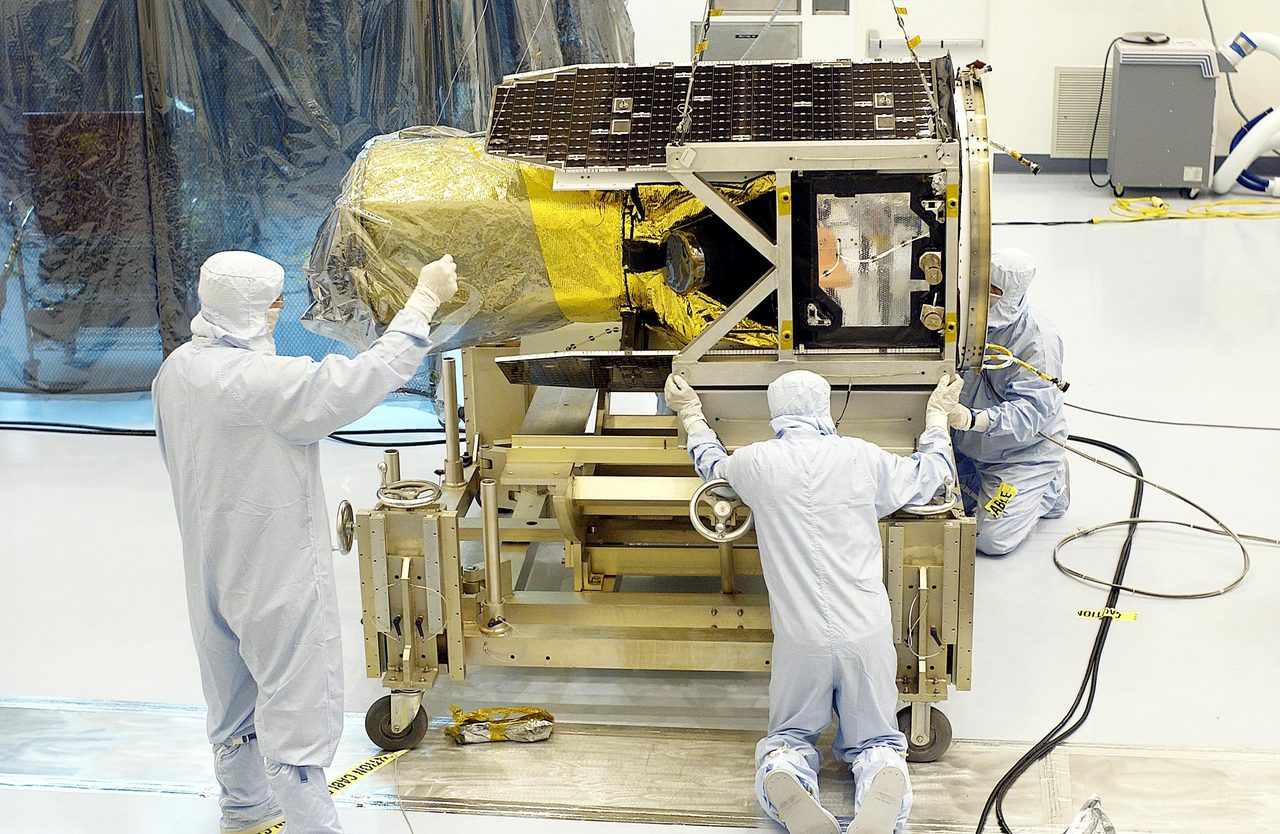
Starlink's controlled re-entries significantly mitigate the risk of space debris. By actively deorbiting satellites at the end of their operational life, SpaceX reduces the likelihood of creating long-lived debris in low Earth orbit. This approach stands in contrast to older practices of letting satellites drift until atmospheric drag eventually pulls them down, which can take years or even decades.
Between 1 January and 17 October 2026, 439 Starlink satellites re-entered Earth's atmosphere, averaging about 1.5 per day, according to the Orbital Register. This controlled process ensures that the satellites burn up upon re-entry, leaving minimal debris. By comparison, the same period saw 1,103 total objects re-enter, including satellites, debris, and rocket bodies.
SpaceX's strategy aligns with global efforts to reduce orbital debris, an issue of growing concern as more entities launch satellites. The Orbital Radar re-entry tracker provides real-time data on these events, helping to assess the impact on space environments.
The re-entry of Starlink satellites serves as a model for sustainable space operations, demonstrating how proactive measures can protect both current and future space activities. As the largest satellite constellation, Starlink's practices have a notable influence on industry standards and the long-term health of orbital zones.
How Does Orbital Radar Track Starlink Re-entries?
Orbital Radar tracks Starlink re-entries using a combination of real-time tracking data and predictive models. By analysing the orbital parameters of each satellite, the platform can determine when and where a re-entry is likely to occur. This information is continuously updated, providing users with the most accurate data available on Starlink re-entries.
The platform draws on a range of space situational awareness tools to monitor these events. For instance, the satellite re-entry tracker offers detailed insights into the re-entry paths of specific satellites. This tool is part of Orbital Radar's comprehensive approach to understanding satellite dynamics, including deorbiting processes.
Between 1 January and 17 October 2026, 439 Starlink satellites re-entered the Earth's atmosphere, averaging about 1.5 re-entries per day, as recorded by the Orbital Register. In the last 30 days alone, 51 Starlink satellites have re-entered.
With 10,077 active Starlink satellites currently in orbit, according to Orbital Radar tracking data, the platform's continuous monitoring is crucial for maintaining awareness of the constellation's status. Users interested in more detailed information can explore the Starlink tracker for live updates and specific satellite statuses.
Key takeaways
- 1.5 Starlink satellites re-enter daily, according to Orbital Radar data.
- SpaceX deorbits satellites to manage debris and maintain constellation health.
- Orbital Radar's tracker offers live updates on satellite re-entries.
- Starlink's re-entry strategy aligns with global space debris mitigation efforts.
Frequently Asked Questions
How many Starlink satellites are currently operational?
What is the purpose of deorbiting Starlink satellites?
How often do Starlink satellites re-enter Earth's atmosphere?
What happens to Starlink satellites after they re-enter?
How can I track Starlink satellites in orbit?
📎 Cite this article · data available
Orbital Radar Newsroom. (2026). How Many Starlink Satellites Fall Each Day?. Orbital Radar. https://orbitalradar.com/blog/starlink-reentries-per-day"How Many Starlink Satellites Fall Each Day?." Orbital Radar, 17 October 2026, https://orbitalradar.com/blog/starlink-reentries-per-day.@misc{orbitalradar_starlink_reentries_per_day,
title = {How Many Starlink Satellites Fall Each Day?},
author = {{Orbital Radar}},
year = {2026},
howpublished = {\url{https://orbitalradar.com/blog/starlink-reentries-per-day}}
}