SpaceX Starlink Launch and Astrobotic's Strategic Sale
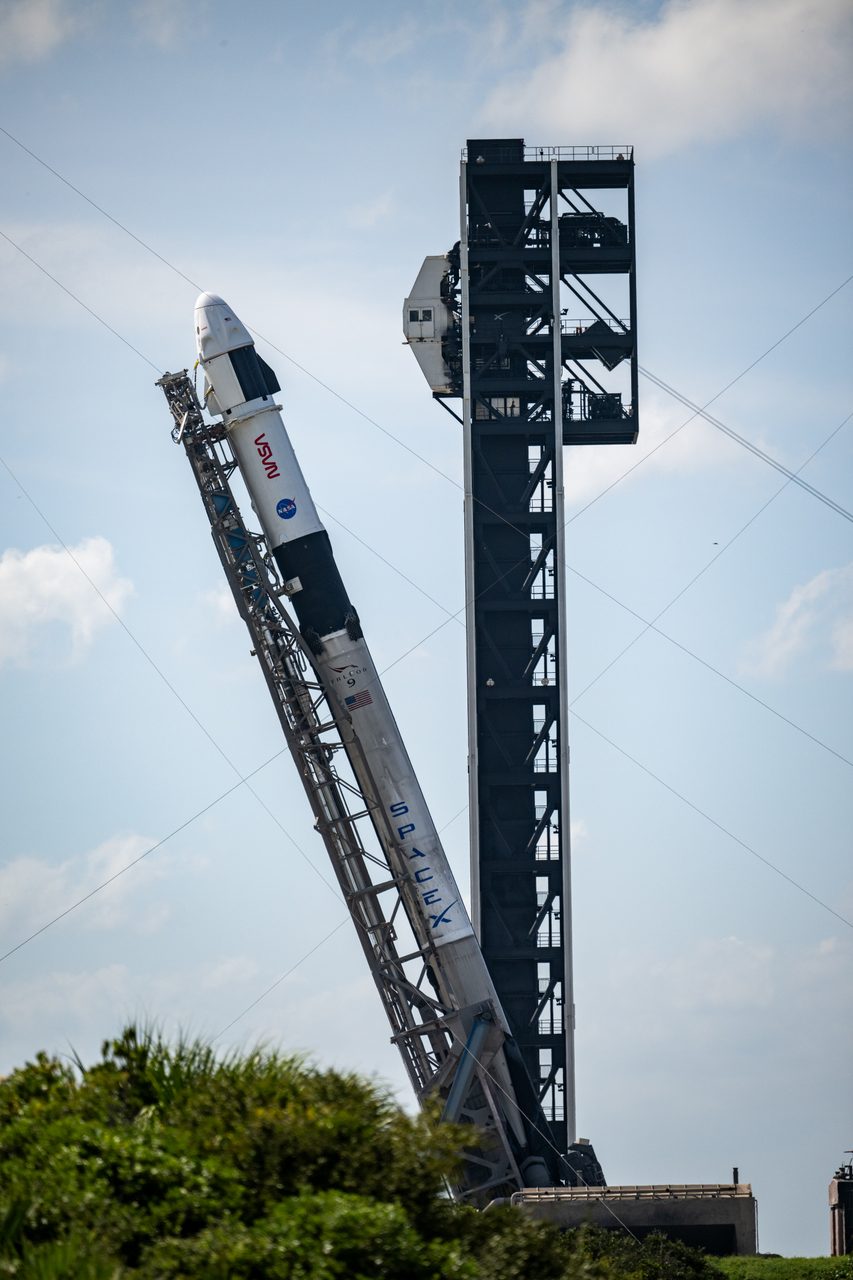
SpaceX successfully launched 24 Starlink satellites, while Astrobotic's sale to Voyager promises expansion.
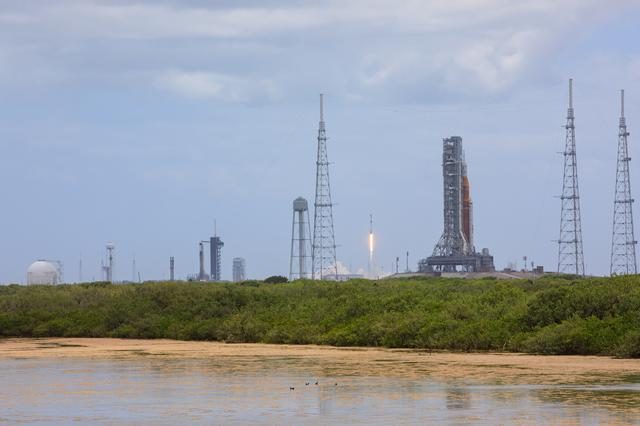
SpaceX has successfully launched 24 Starlink satellites aboard a Falcon 9 rocket from Vandenberg Space Force Base. This mission, part of SpaceX's ongoing effort to expand its satellite internet constellation, was tracked under NORAD IDs for precise monitoring. The launch contributes to the total of 10,621 active Starlink satellites, with 9,352 currently operational. The orbital parameters of several satellites, including STARLINK-5671 and STARLINK-5658, indicate potential manoeuvres, as observed by changes in their argument of perigee. For detailed tracking of these satellites, visit the Starlink Tracker.
Astrobotic's Strategic Sale
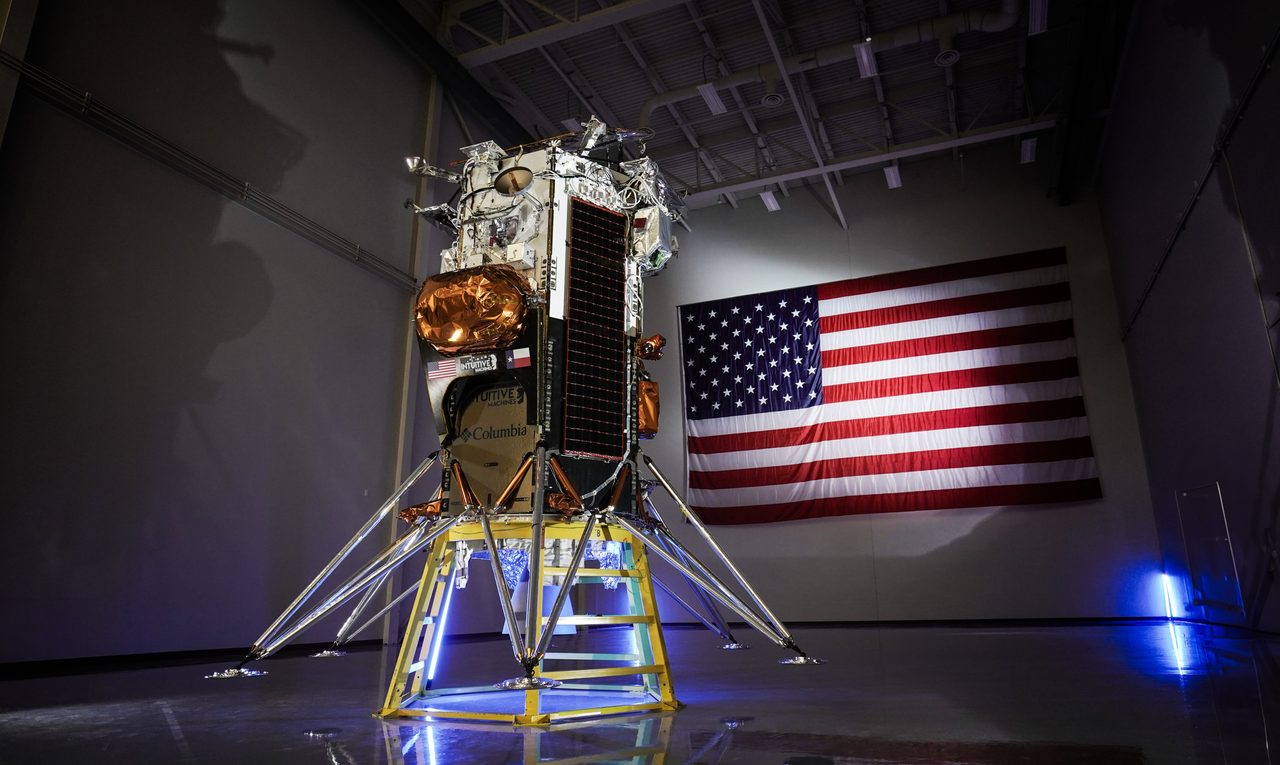
Astrobotic has announced its sale to Voyager Space Holdings, a move expected to enhance its capabilities and scale operations. Astrobotic, known for its lunar delivery services, aims to leverage Voyager's resources to expand its mission portfolio. This acquisition aligns with the growing trend of consolidation in the space industry, as companies seek to combine expertise and resources. The sale is anticipated to bolster Astrobotic's position in the burgeoning lunar economy, which includes plans for future lunar bases and exploration missions.
What to Watch
While there are no immediate launches scheduled, the space community is closely monitoring developments in satellite manoeuvres and potential orbital adjustments. The Launch Schedule provides updates on forthcoming missions, including NASA's next Mars orbiter set for 2028. Additionally, the ongoing analysis of the debris environment, with 28,616 tracked objects, remains a critical focus for space safety and sustainability.
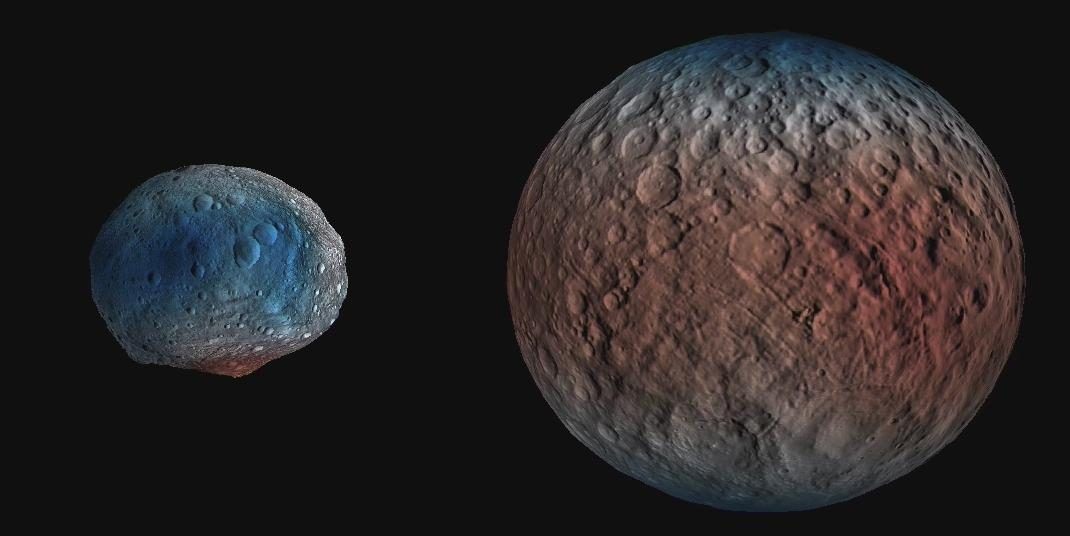
Understanding Phobos
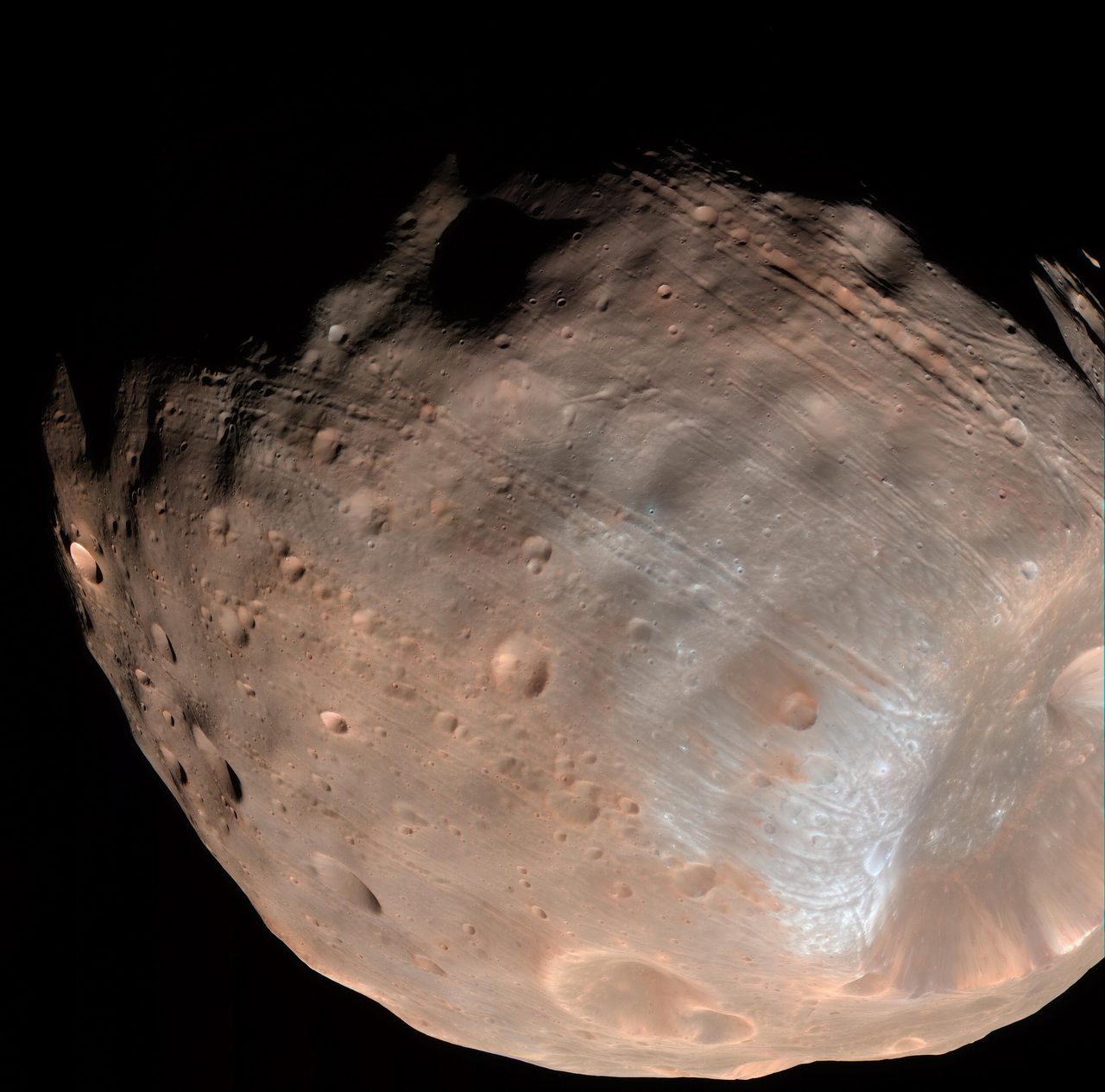
Recent studies of Mars' moon Phobos have provided new insights into its composition and origin. Scientists are using advanced imaging techniques to unravel the mysteries of this small celestial body, which may hold clues to the early solar system. The findings contribute to our understanding of Martian satellites and their potential role in future exploration missions. For more information on Mars exploration, visit the Mars Rovers page.
Frequently Asked Questions
What is the significance of SpaceX's recent Starlink launch?
How will Astrobotic's sale to Voyager impact its operations?
📎 Cite this article
Orbital Radar Newsroom. (2026). SpaceX Starlink Launch and Astrobotic's Strategic Sale. Orbital Radar. https://orbitalradar.com/blog/orbital-briefing-2026-06-21"SpaceX Starlink Launch and Astrobotic's Strategic Sale." Orbital Radar, 21 June 2026, https://orbitalradar.com/blog/orbital-briefing-2026-06-21.@misc{orbitalradar_orbital_briefing_2026_06_21,
title = {SpaceX Starlink Launch and Astrobotic's Strategic Sale},
author = {{Orbital Radar}},
year = {2026},
howpublished = {\url{https://orbitalradar.com/blog/orbital-briefing-2026-06-21}}
}