Hubble Space Telescope: 35+ Years of Discovery
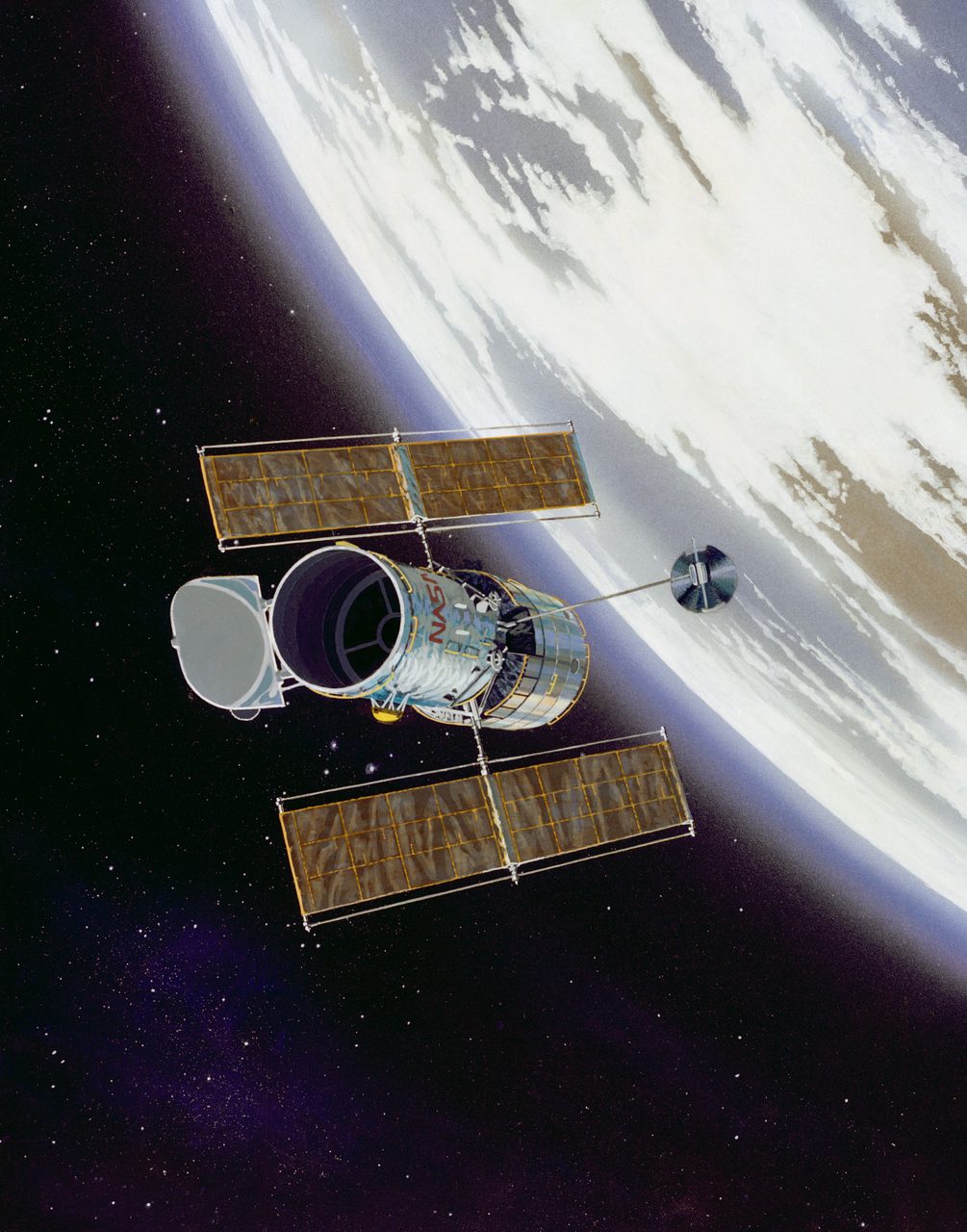
The Hubble Space Telescope (HST) is a large, space-based observatory launched into low Earth orbit by the Space Shuttle Discovery on April 24, 1990. It is a joint project between NASA and the European Space Agency (ESA).
What is the Hubble Space Telescope?
The Hubble Space Telescope (HST) is a large, space-based observatory launched into low Earth orbit by the Space Shuttle Discovery on April 24, 1990. It is a joint project between NASA and the European Space Agency (ESA). Hubble's primary mirror is 2.4 metres in diameter, allowing it to capture high-resolution images of astronomical objects without the distortion caused by Earth's atmosphere. The telescope has been instrumental in numerous discoveries, including the rate of expansion of the universe and the existence of exoplanets.
Mission and Purpose
Hubble's mission is to observe the universe in visible, ultraviolet, and near-infrared light. Its objectives include studying the formation of stars and galaxies, the behaviour of black holes, and the composition of planetary atmospheres. The telescope has provided critical data for over 15,000 scientific papers, making it one of the most productive scientific instruments ever built. Hubble's observations have helped refine the age of the universe to about 13.8 billion years and have been pivotal in confirming the presence of dark energy.
Orbital Characteristics
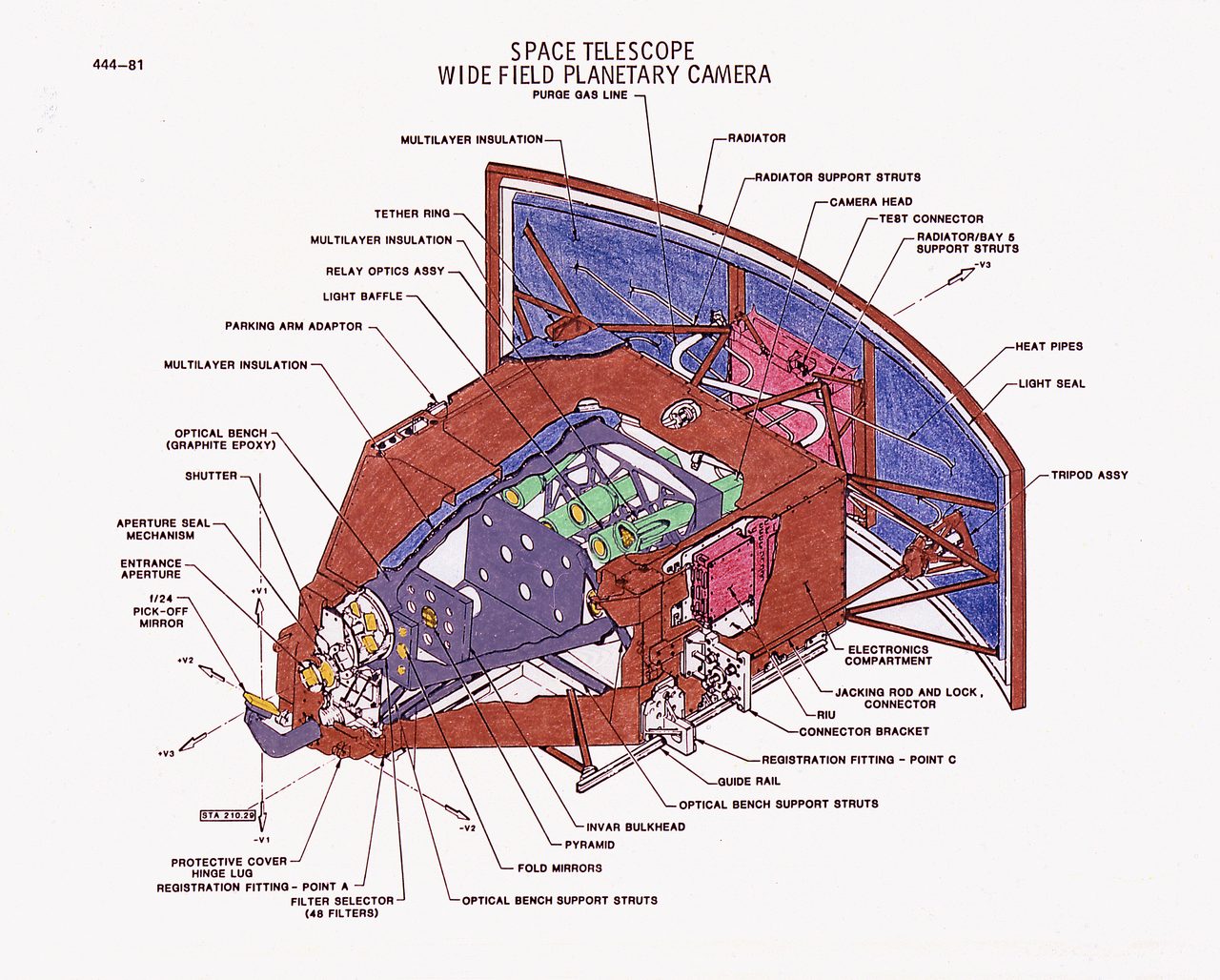
Hubble orbits Earth at an altitude of approximately 547 kilometres with an inclination of 28.5 degrees. It completes an orbit every 95 minutes. The telescope's NORAD ID is 20580. These orbital characteristics allow Hubble to observe celestial objects without atmospheric interference, providing a clear and unobstructed view of the universe. The telescope's position and visibility can be checked using the Orbital Radar pass predictor.
Significance and Legacy
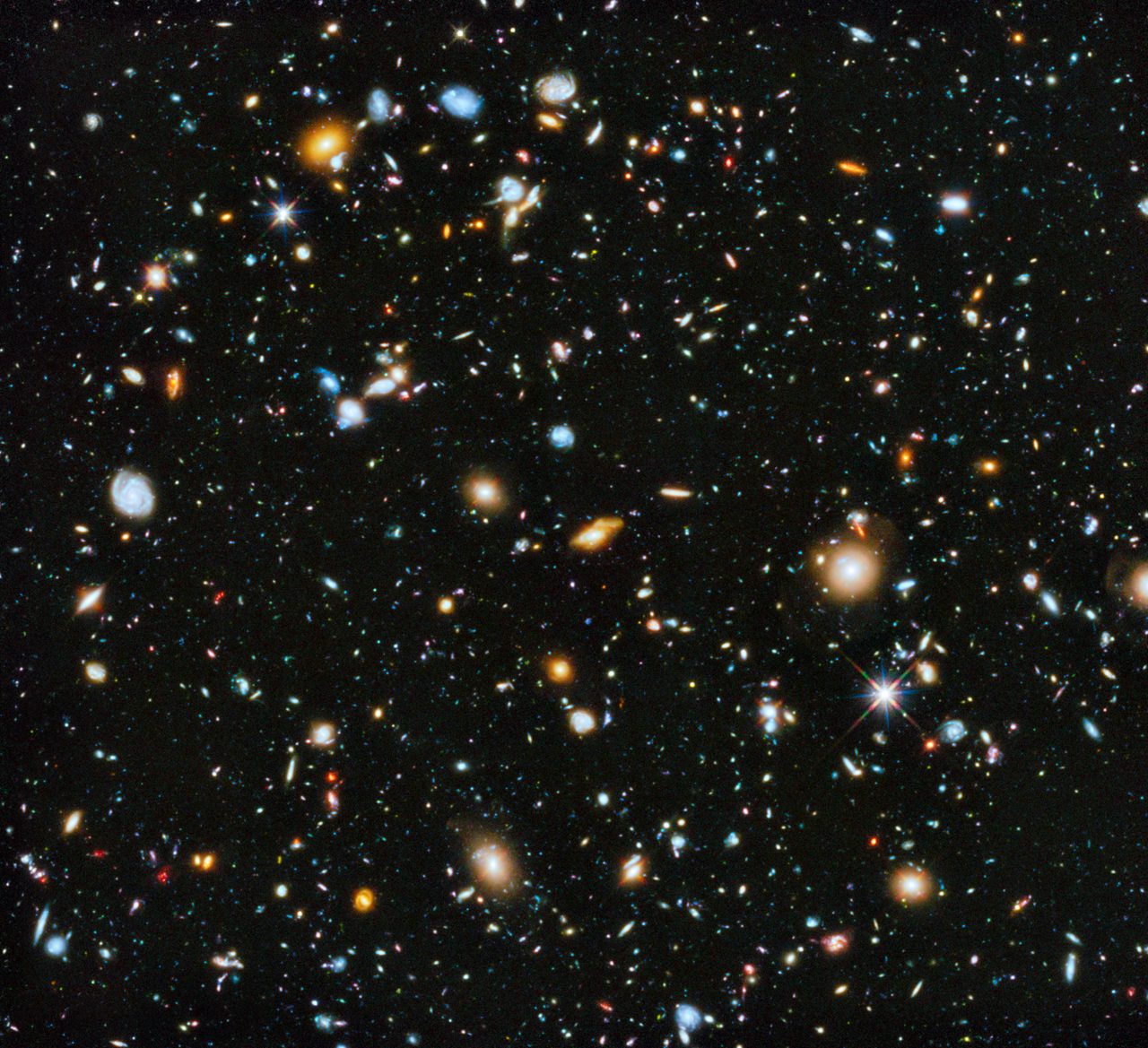
Hubble's legacy is defined by its profound impact on our understanding of the universe. It has captured iconic images such as the Pillars of Creation and the Hubble Deep Field, which have become emblematic of astronomical exploration. Hubble's data has been essential in confirming theories about the universe's expansion and the existence of dark matter. Its contributions to science are celebrated in the Orbital Radar Satellite Library, where its mission details and discoveries are documented.
Current Status
After more than 35 years in operation, Hubble continues to function, though it has faced technical challenges. The telescope has undergone five servicing missions, the last of which was in 2009, to upgrade its instruments and extend its operational life. Despite occasional issues with its gyroscopes and other components, Hubble remains active and continues to provide valuable data. Its status and recent observations can be tracked through the Orbital Radar Satellite Library.
📎 Cite this article
Orbital Radar Newsroom. (2026). Hubble Space Telescope: 35+ Years of Discovery. Orbital Radar. https://orbitalradar.com/blog/hubble-space-telescope-35-years-discovery"Hubble Space Telescope: 35+ Years of Discovery." Orbital Radar, 3 September 2026, https://orbitalradar.com/blog/hubble-space-telescope-35-years-discovery.@misc{orbitalradar_hubble_space_telescope_35_years_discover,
title = {Hubble Space Telescope: 35+ Years of Discovery},
author = {{Orbital Radar}},
year = {2026},
howpublished = {\url{https://orbitalradar.com/blog/hubble-space-telescope-35-years-discovery}}
}