Starlink: The Mega-Constellation Reshaping Orbit
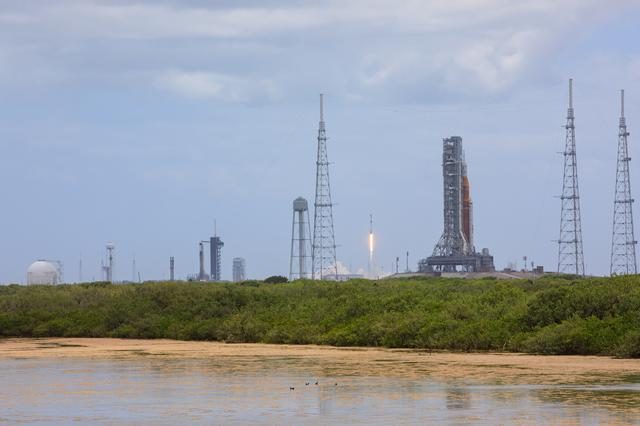
Starlink is a satellite internet constellation being constructed by SpaceX to provide satellite Internet access globally. The system is designed to deliver high-speed broadband internet to locations where access has been unreliable, expensive, or completely unavailable.
What is Starlink?
Starlink is a satellite internet constellation being constructed by SpaceX to provide satellite Internet access globally. The system is designed to deliver high-speed broadband internet to locations where access has been unreliable, expensive, or completely unavailable. As of now, Starlink comprises 10,714 active satellites, representing a significant portion of the 18,179 active satellites currently in orbit. The project aims to eventually deploy up to 42,000 satellites, forming a mega-constellation that encircles the Earth.
Mission and Purpose
The primary mission of Starlink is to bridge the digital divide by providing internet connectivity to underserved regions. This initiative is particularly aimed at rural and remote areas where traditional internet infrastructure is lacking. In addition to consumer internet services, Starlink's network supports military applications and scientific research. The constellation's low Earth orbit (LEO) satellites are intended to reduce latency, offering a more responsive internet experience compared to traditional geostationary satellites.
Orbital Characteristics
Starlink satellites operate in low Earth orbit, typically at altitudes ranging from 540 km to 570 km. The inclination of these satellites is approximately 53 degrees, allowing them to cover a wide range of latitudes. Each satellite has a NORAD ID, which can be tracked using tools like the Orbital Radar Starlink Tracker (/starlink-tracker). The satellites are equipped with ion thrusters for orbit raising and station-keeping, enabling them to manoeuvre to avoid collisions and deorbit at the end of their operational life.
Significance and Legacy
Starlink's impact on the space environment is profound, as it accounts for more than half of all active satellites. While it enhances global internet access, the sheer number of satellites raises concerns about space debris and orbital congestion. The constellation's deployment has prompted discussions about the need for updated space traffic management policies. Starlink's influence extends beyond connectivity, as it has spurred advancements in satellite technology and launch capabilities, setting new standards for the industry.
Current Status
As of now, 9,432 Starlink satellites are operational, with 933 in the process of raising their orbits and 357 in the deorbiting phase. The constellation includes 7,020 V2 Mini satellites, which are an evolution of the original design, offering improved performance. Active close approaches, currently numbering 21, are continuously monitored to prevent collisions. The Orbital Radar Debris Map (/debris-map) provides a comprehensive view of the space environment, highlighting the challenges posed by the increasing number of objects in orbit.