Vanguard 1: The Oldest Satellite Still in Orbit
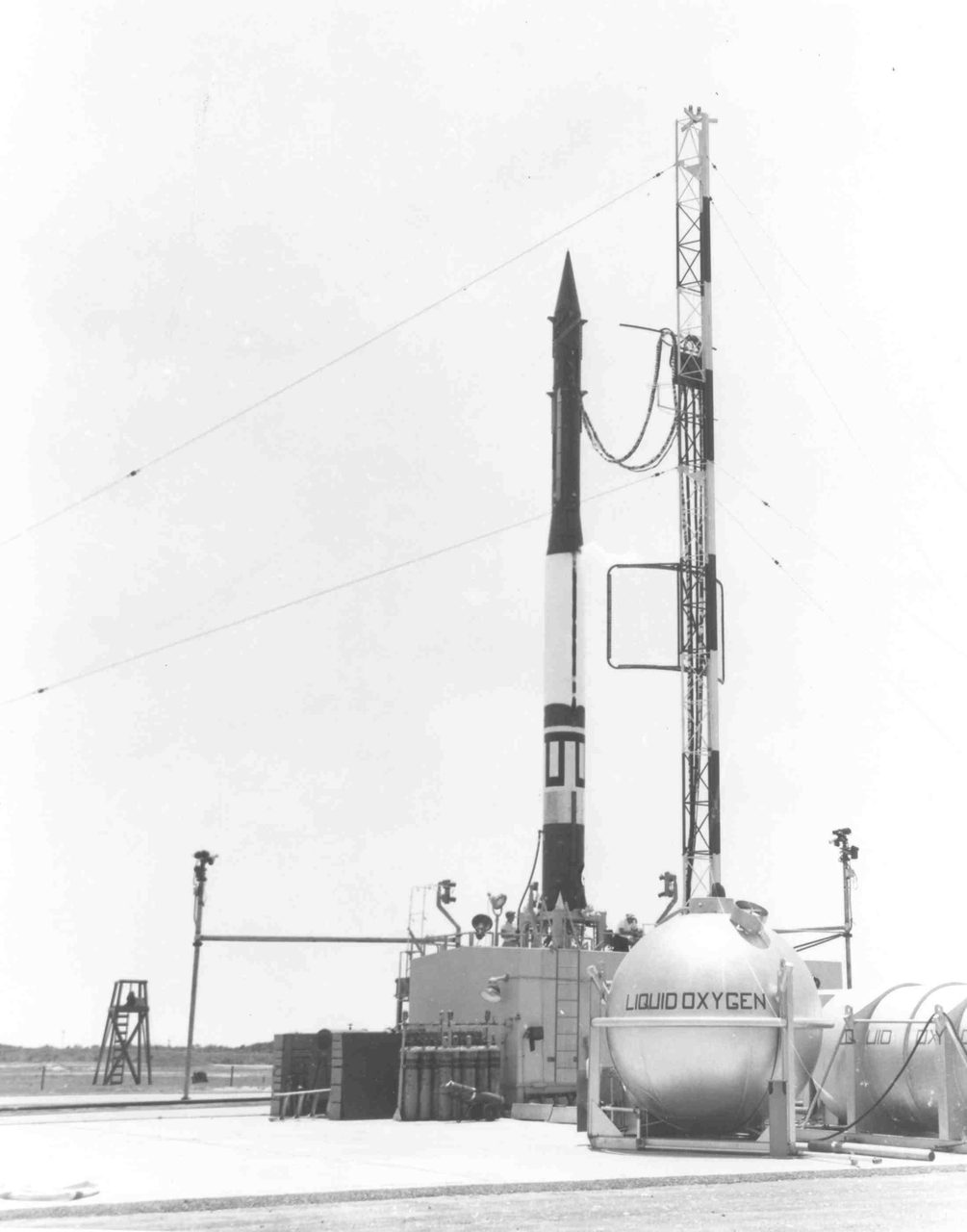
Launched on 17 March 1958, Vanguard 1 is the oldest artificial satellite still in orbit. It was part of the United States' Vanguard project, which aimed to launch the first American satellite as part of the International Geophysical Year (1957-1958).
What is Vanguard 1?
Launched on 17 March 1958, Vanguard 1 is the oldest artificial satellite still in orbit. It was part of the United States' Vanguard project, which aimed to launch the first American satellite as part of the International Geophysical Year (1957-1958). Although it was the fourth artificial satellite to be launched, it holds the distinction of being the oldest still in orbit, outlasting its predecessors due to its high orbital altitude.
Mission and Purpose
Vanguard 1 was designed to test the capabilities of a three-stage launch vehicle and to gather geophysical data. Its primary mission was to measure the density of the upper atmosphere and to test the effects of the space environment on a satellite and its systems. The satellite also helped confirm the Earth's shape as an oblate spheroid rather than a perfect sphere.
Orbital Characteristics
Vanguard 1 orbits the Earth in a highly elliptical path with an initial perigee (closest point to Earth) of 654 kilometres and an apogee (farthest point) of 3,969 kilometres. Its inclination is 34.25 degrees, and it completes an orbit approximately every 134 minutes. The satellite's NORAD ID is 00005, and it was launched aboard a Vanguard SLV-4 rocket. These orbital parameters have allowed it to remain in space for over six decades.
Significance and Legacy
Vanguard 1's successful deployment marked a significant milestone in space exploration, demonstrating the feasibility of launching satellites into orbit. It provided valuable data on atmospheric drag and the Earth's shape, contributing to the early understanding of space conditions. Its longevity has made it a symbol of the early space age and a testament to the durability of early satellite technology. Vanguard 1's mission data and legacy can be explored further in the Orbital Radar Satellite Library.
Current Status
Although Vanguard 1 ceased transmitting signals in 1964, it remains in orbit as a silent testament to the dawn of the space age. Its long-term presence continues to be monitored as part of the space debris environment, which includes 29,405 tracked objects. Despite being inactive, its historical significance ensures it remains a point of interest for space historians and enthusiasts. The satellite's current orbital position can be tracked using the Orbital Radar Debris Map.
📎 Cite this article
Orbital Radar Newsroom. (2026). Vanguard 1: The Oldest Satellite Still in Orbit. Orbital Radar. https://orbitalradar.com/blog/vanguard-1-oldest-satellite"Vanguard 1: The Oldest Satellite Still in Orbit." Orbital Radar, 2 September 2026, https://orbitalradar.com/blog/vanguard-1-oldest-satellite.@misc{orbitalradar_vanguard_1_oldest_satellite,
title = {Vanguard 1: The Oldest Satellite Still in Orbit},
author = {{Orbital Radar}},
year = {2026},
howpublished = {\url{https://orbitalradar.com/blog/vanguard-1-oldest-satellite}}
}