OneWeb Gen 2: Expanding Global Connectivity
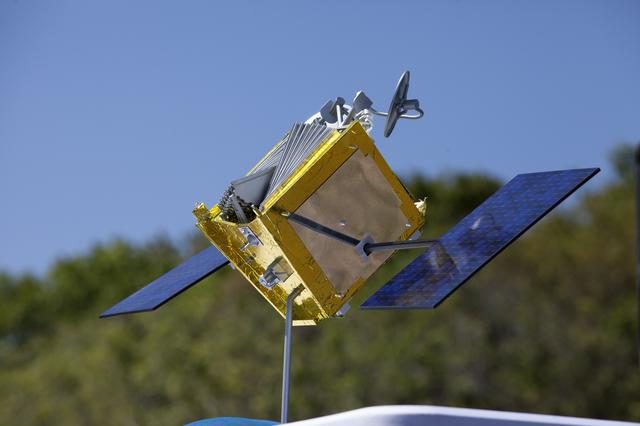
OneWeb Gen 2 is the next-generation satellite constellation designed to provide global broadband internet coverage. Building on the foundation of its predecessor, OneWeb Gen 1, this constellation aims to enhance connectivity in remote and underserved regions.
| Active satellites | 15,746 |
| Catalogued objects | 31,494 |
| Starlink active | 10,057 |
What is OneWeb Gen 2?
OneWeb Gen 2 is the next-generation satellite constellation designed to provide global broadband internet coverage. Building on the foundation of its predecessor, OneWeb Gen 1, this constellation aims to enhance connectivity in remote and underserved regions. The Gen 2 satellites are expected to offer improved bandwidth and lower latency, making them competitive with other large-scale constellations like SpaceX's Starlink. As of now, OneWeb has successfully launched 648 satellites for its first-generation constellation, with Gen 2 set to expand this network significantly.
Mission and Purpose
The primary mission of OneWeb Gen 2 is to deliver high-speed internet access across the globe, focusing on areas with limited or no connectivity. This initiative is part of a broader effort to bridge the digital divide and support economic development. By providing reliable internet service, OneWeb Gen 2 aims to facilitate educational opportunities, healthcare access, and business growth in remote regions. The constellation will also support governmental and emergency services, offering a resilient communication network in times of crisis.
Orbital Characteristics
OneWeb Gen 2 satellites are planned to operate in low Earth orbit (LEO), similar to their predecessors. The constellation will likely consist of thousands of satellites, although specific numbers and orbital parameters are yet to be confirmed. The satellites are expected to orbit at altitudes between 1,200 and 1,500 kilometres, with an inclination that allows for global coverage, including polar regions. These characteristics are designed to optimise the network's performance, providing low-latency connections essential for modern internet applications.
Significance and Legacy
The significance of OneWeb Gen 2 lies in its potential to transform global internet accessibility. By expanding its satellite network, OneWeb aims to compete with other major players in the satellite internet market, such as Starlink, which currently has 10,057 active satellites according to Orbital Radar tracking data. The success of OneWeb Gen 2 could set a precedent for future satellite constellations, demonstrating the viability of large-scale satellite internet networks. Additionally, it underscores the growing importance of space-based infrastructure in supporting terrestrial communication needs.
Current Status and Future Prospects

As of now, OneWeb is in the planning and development stages for its Gen 2 constellation. The company has already secured several launch contracts and is working on satellite design and manufacturing. The deployment of Gen 2 satellites is expected to begin in the coming years, with initial launches likely to occur by the mid-2020s. According to Orbital Radar's live catalogue, there are currently 15,746 active satellites in orbit, highlighting the increasing competition and congestion in LEO. OneWeb Gen 2's success will depend on its ability to navigate this complex environment and deliver on its promise of global connectivity.
📎 Cite this article · data available
Orbital Radar Newsroom. (2026). OneWeb Gen 2: Expanding Global Connectivity. Orbital Radar. https://orbitalradar.com/blog/oneweb-gen-2-broadband-constellation"OneWeb Gen 2: Expanding Global Connectivity." Orbital Radar, 6 October 2026, https://orbitalradar.com/blog/oneweb-gen-2-broadband-constellation.@misc{orbitalradar_oneweb_gen_2_broadband_constellation,
title = {OneWeb Gen 2: Expanding Global Connectivity},
author = {{Orbital Radar}},
year = {2026},
howpublished = {\url{https://orbitalradar.com/blog/oneweb-gen-2-broadband-constellation}}
}