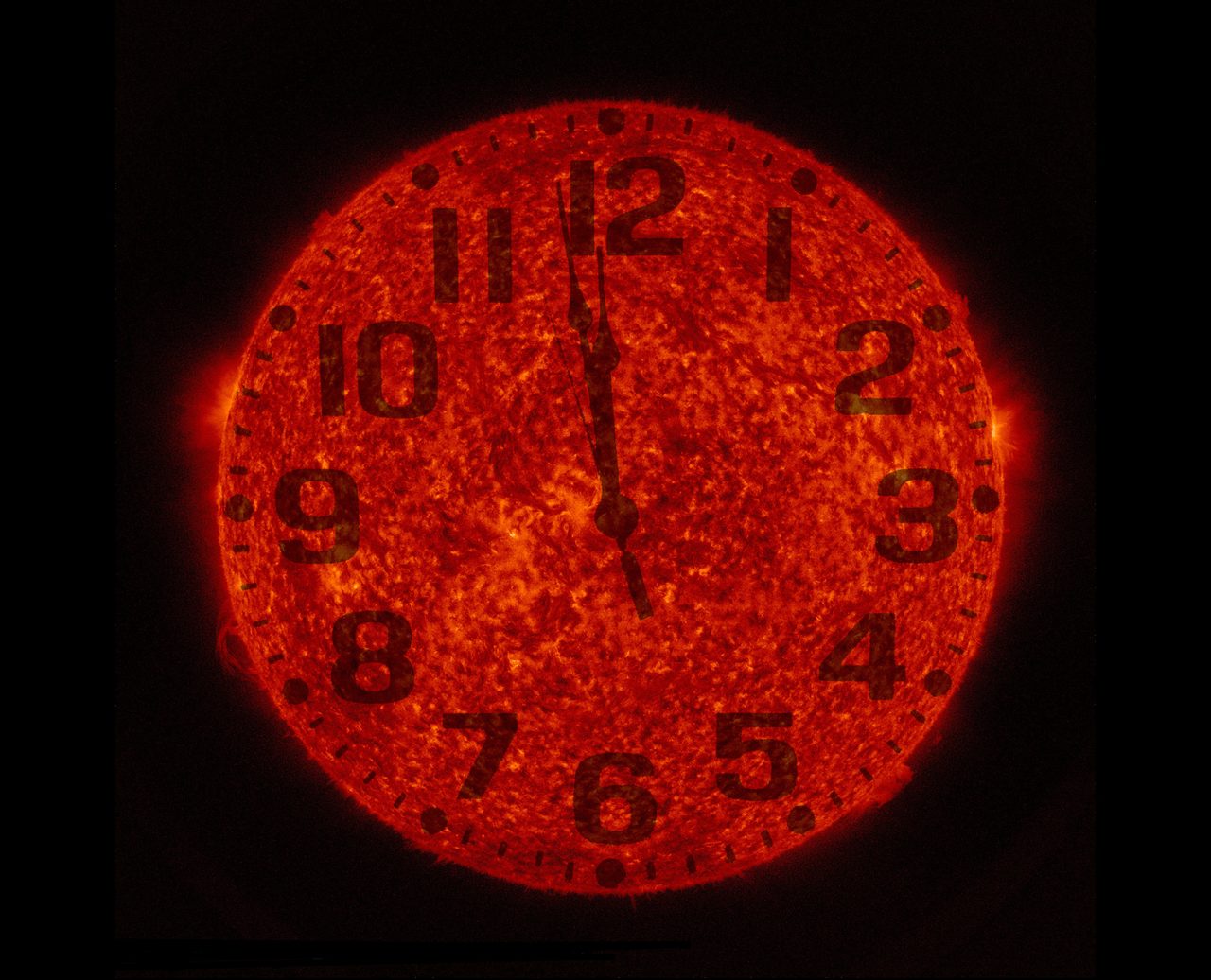
Understanding Rocket Body Debris in Earth's Orbit
Rocket body debris refers to the remnants of launch vehicles left in orbit, contributing significantly to space debris and posing collision risks.
| Active satellites | 15,757 |
| Starlink active | 10,027 |
| Catalogued objects | 31,396 |
| Predicted re-entries | 28 |
| Active close approaches | 17 |
| People in space | 14 |
Rocket body debris consists of the remnants of launch vehicles that remain in orbit after they have delivered their payloads. These objects, which include spent rocket stages and discarded components, contribute significantly to the growing population of space debris. As of the latest Orbital Radar data, there are 2,057 rocket bodies tracked in orbit, posing potential risks to active satellites and spacecraft.
What Constitutes Rocket Body Debris?
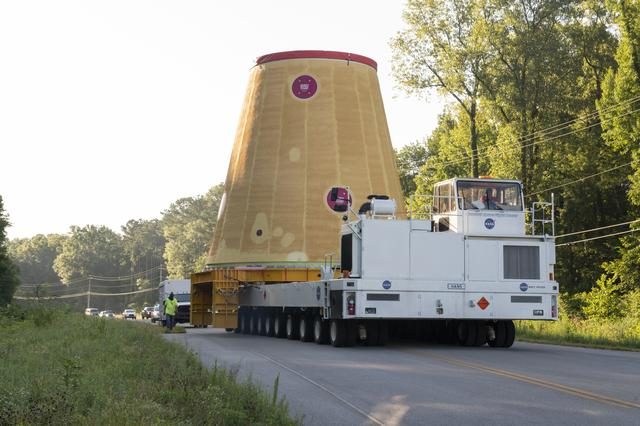
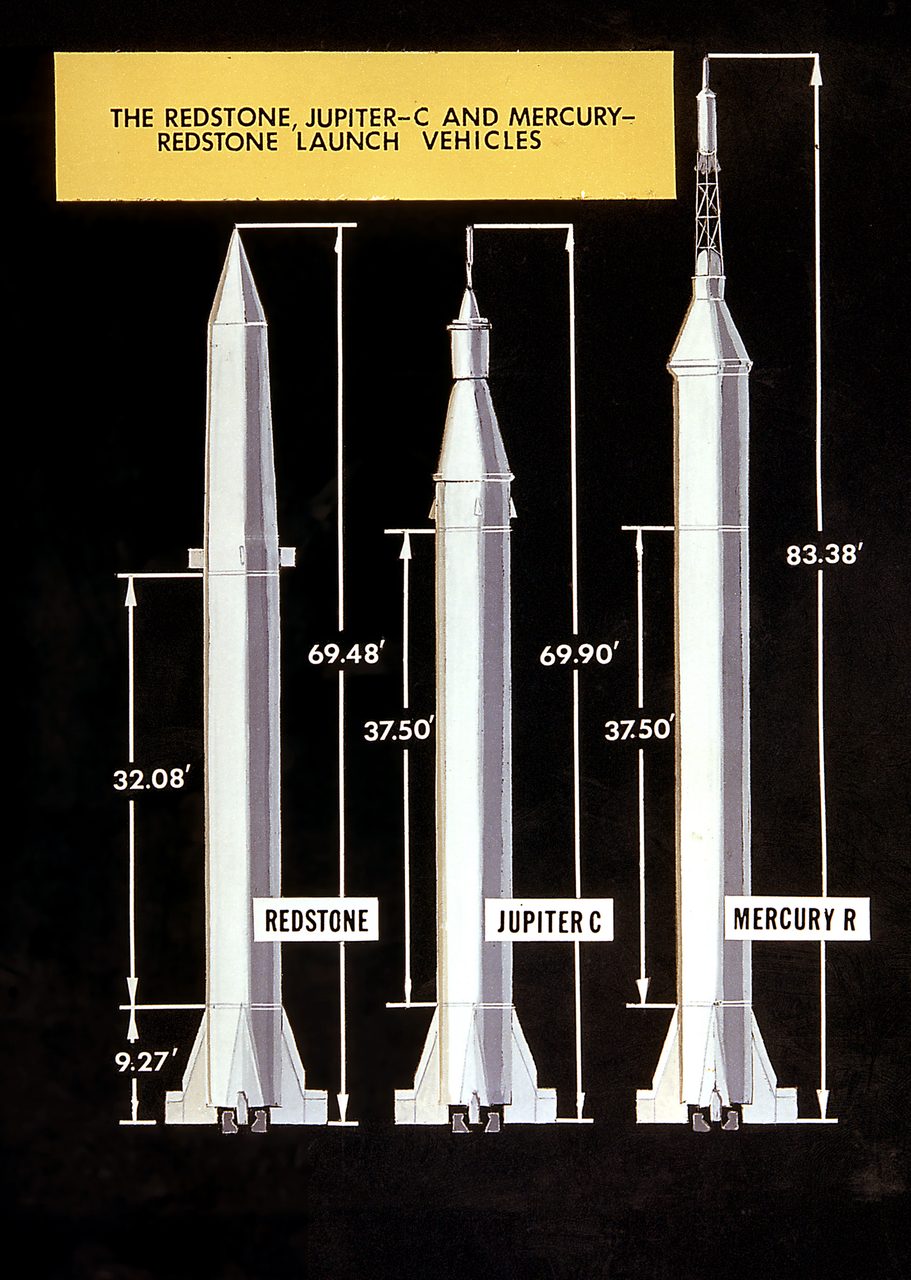
Rocket body debris primarily includes the upper stages of launch vehicles that remain in orbit after payload deployment. These stages can vary in size and mass, often weighing several tonnes. The debris can also include smaller components such as fairings and adapter rings. According to Orbital Radar's live catalogue, the total number of catalogued objects in orbit is 31,396, with rocket bodies forming a significant portion.
The Impact of Rocket Body Debris on Space Operations
Rocket body debris poses a significant threat to both operational satellites and human spaceflight. The risk of collision increases with the density of debris in certain orbital regions. For instance, active close approaches being tracked currently number 17, underscoring the ongoing threat. The debris environment, as detailed on the space debris map, highlights the crowded nature of Earth's orbit.
Tracking and Managing Rocket Body Debris
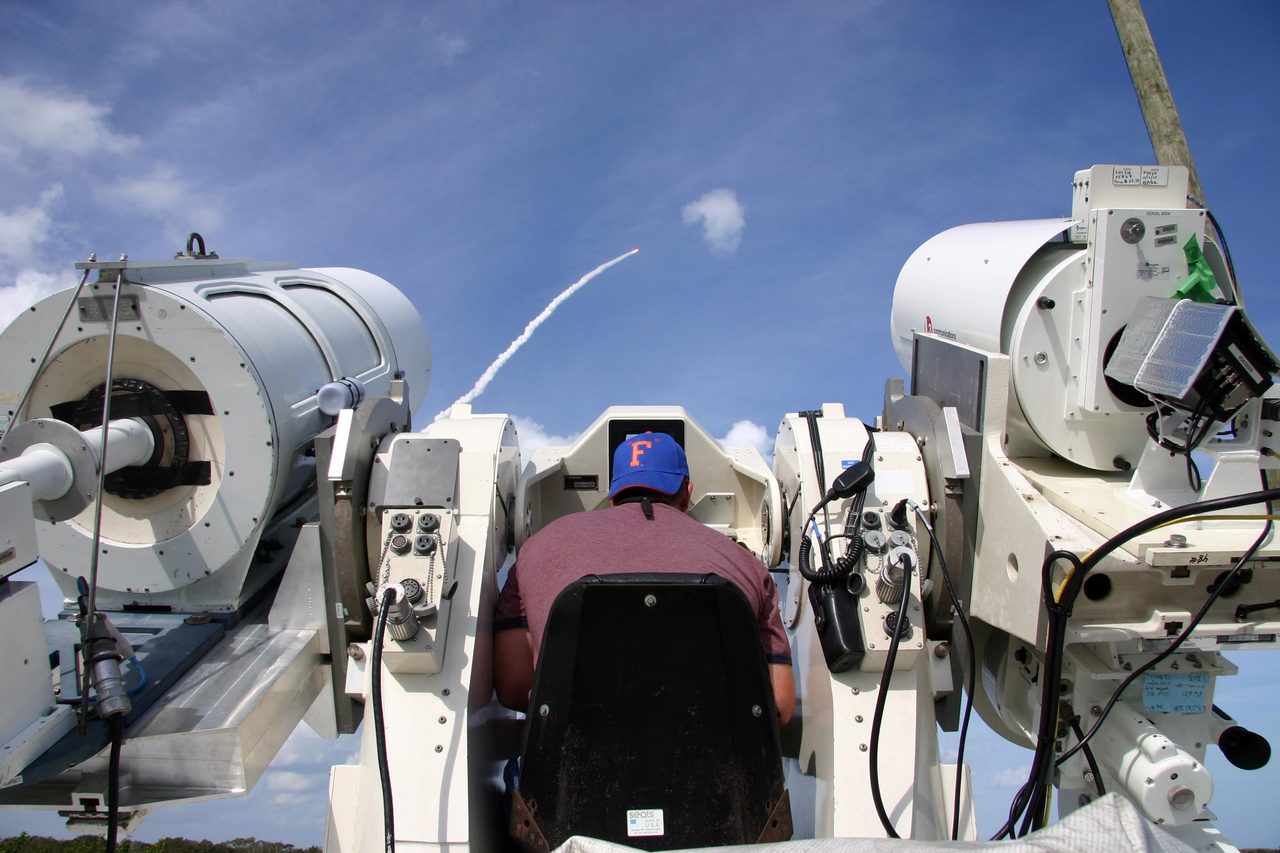
Space agencies and organisations employ various methods to track and manage rocket body debris. Tools like the satellite re-entry tracker provide predictions on when and where debris might re-enter Earth's atmosphere. As of now, 28 re-entries are predicted soon, with 50 expected this week. These tracking efforts are crucial for mitigating collision risks and ensuring the safety of space operations.
Mitigation Strategies for Reducing Rocket Body Debris
Efforts to reduce rocket body debris include designing launch vehicles with deorbit capabilities and developing technologies for debris removal. International guidelines, such as those from the Inter-Agency Space Debris Coordination Committee (IADC), recommend post-mission disposal measures. The success of these strategies is essential for maintaining a sustainable space environment, as highlighted in Orbital Radar's space debris statistics.
Key Takeaways
Rocket body debris remains a significant component of the space debris problem, with 2,057 tracked objects contributing to the total 31,391 debris items. Effective tracking and mitigation strategies are essential to safeguard current and future space missions. As space activity increases, international cooperation and adherence to debris mitigation guidelines will be crucial in managing this challenge.
Frequently Asked Questions
How many rocket bodies are currently in orbit?
What risks do rocket body debris pose?
How is rocket body debris tracked?
What are the mitigation strategies for rocket body debris?
Why is managing rocket body debris important?
📎 Cite this article · data available
Orbital Radar Newsroom. (2026). Understanding Rocket Body Debris in Earth's Orbit. Orbital Radar. https://orbitalradar.com/blog/rocket-bodies-explainer"Understanding Rocket Body Debris in Earth's Orbit." Orbital Radar, 2 October 2026, https://orbitalradar.com/blog/rocket-bodies-explainer.@misc{orbitalradar_rocket_bodies_explainer,
title = {Understanding Rocket Body Debris in Earth's Orbit},
author = {{Orbital Radar}},
year = {2026},
howpublished = {\url{https://orbitalradar.com/blog/rocket-bodies-explainer}}
}