This Week in Orbit: 2026-09-30
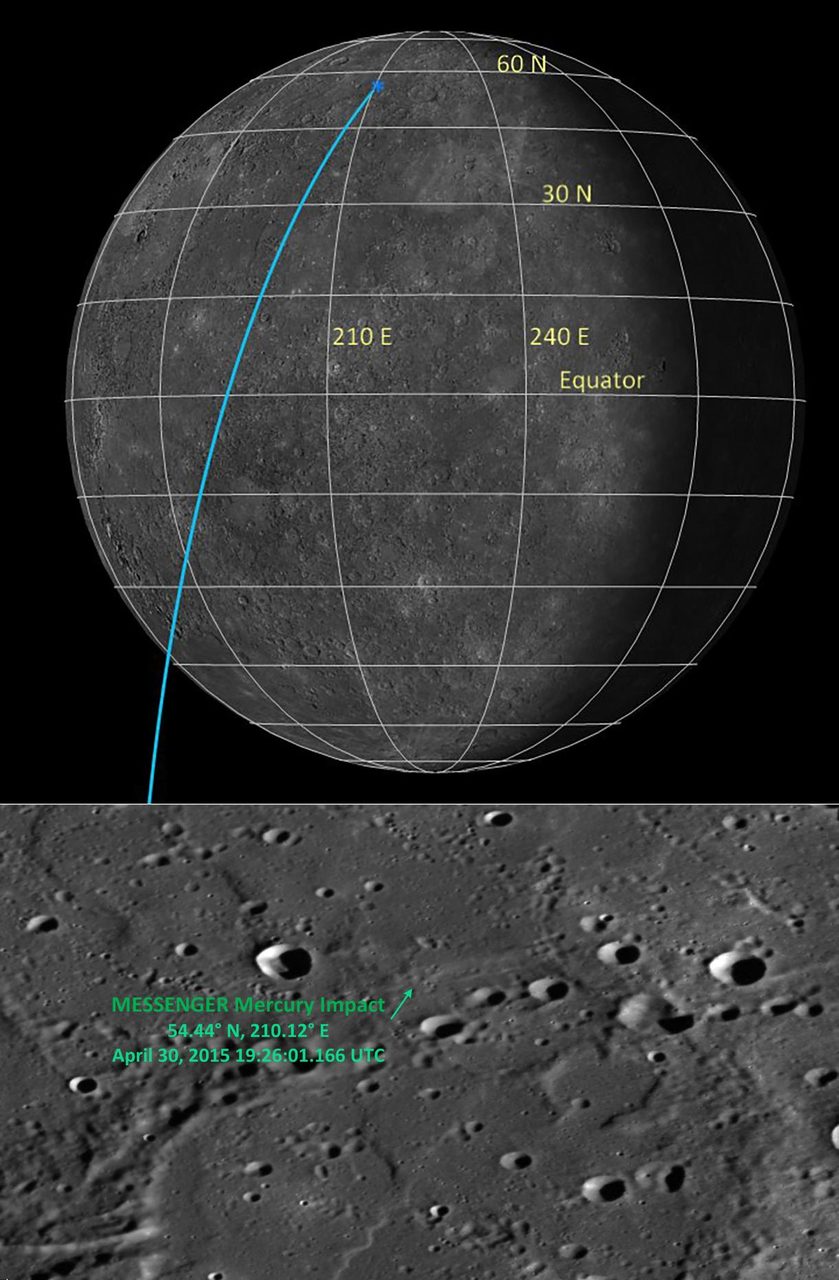
NASA has announced the development of a new space telescope, PRIMA, set to launch in 2033, aiming to advance our understanding of the universe. Meanwhile, the European Space Agency (ESA) has opened a competition for a chance to witness the BepiColombo mission's arrival at Mercury.
| Active satellites | 15,748 |
| Starlink active | 9,941 |
| Catalogued objects | 31,356 |
| Active close approaches | 15 |
| People in space | 10 |
Week Overview
NASA has announced the development of a new space telescope, PRIMA, set to launch in 2033, aiming to advance our understanding of the universe. Meanwhile, the European Space Agency (ESA) has opened a competition for a chance to witness the BepiColombo mission's arrival at Mercury. On Mars, the Perseverance rover continues to reveal insights into the planet's watery past, specifically in the Jezero Crater, as reported by Universe Today. Additionally, the Stanford engineers' innovative approach to spacecraft navigation, allowing them to 'dream' their way to the International Space Station, has garnered attention this week.
Launch Activity
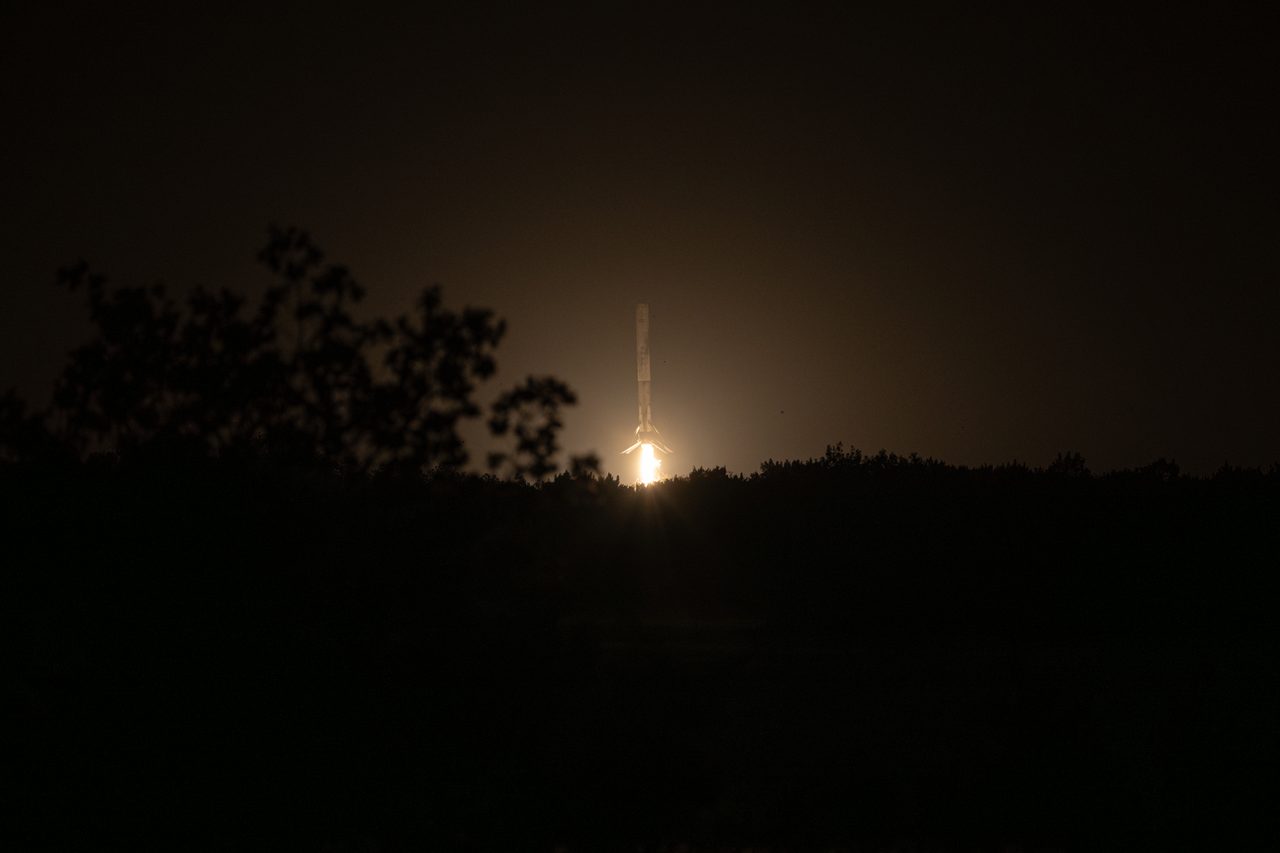
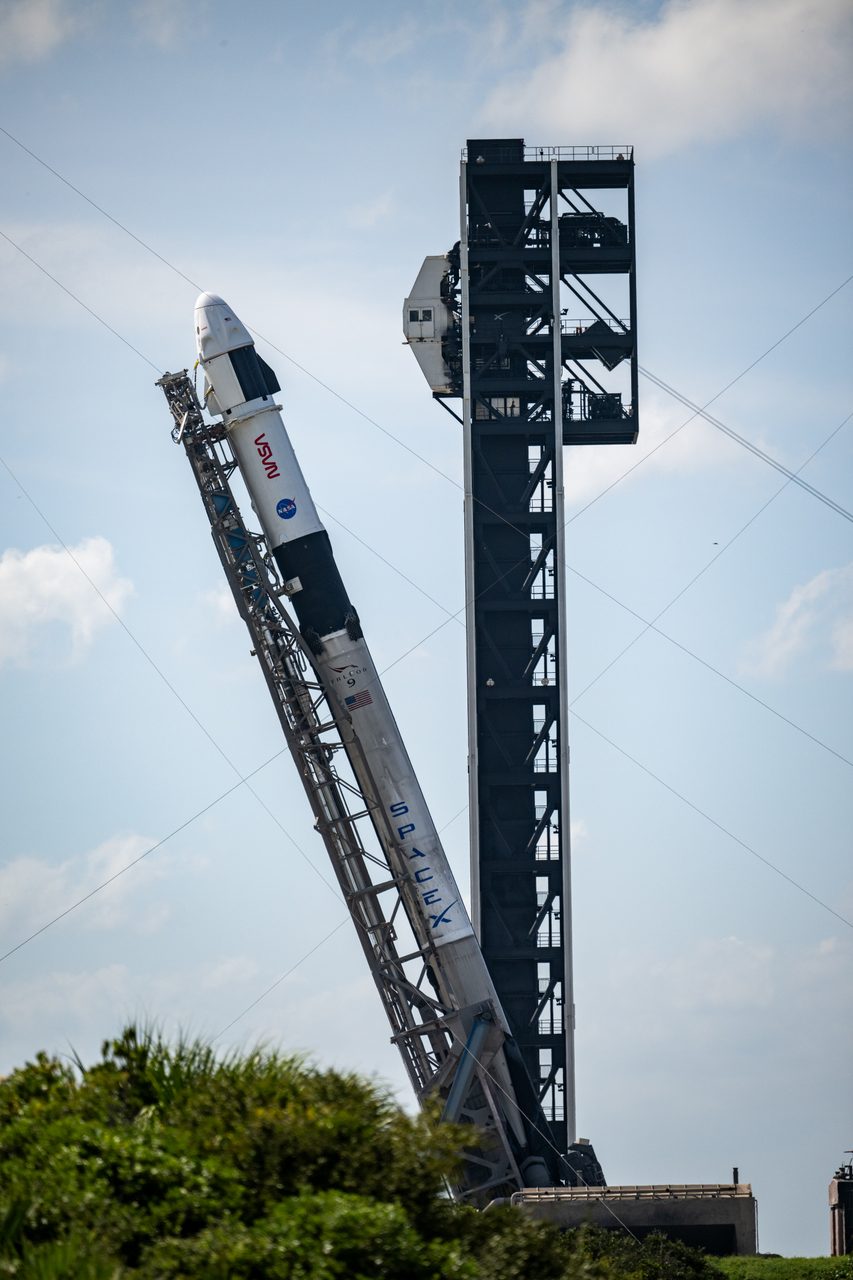
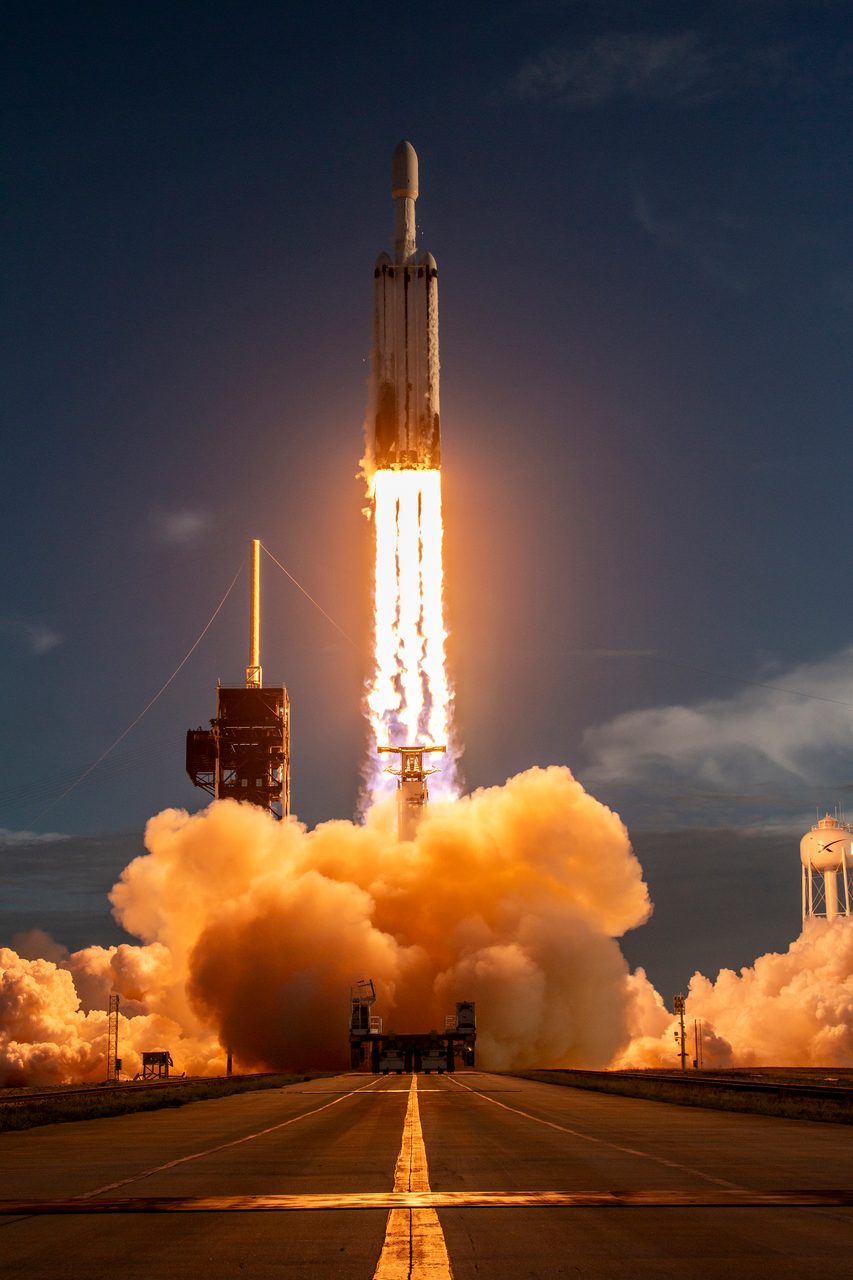
This week saw a notable absence of new launches. However, SpaceX's Falcon 9 successfully launched a classified mission for the U.S. Space Force from the West Coast, as reported by Spaceflight Now. This mission underscores the continued collaboration between private companies and government agencies in space exploration. For those interested in future launches, the Orbital Radar Launch Schedule provides a comprehensive overview of upcoming missions.
Orbital Events

A series of close approaches were tracked this week, with the closest involving OPTUS D3 and MEV-1, coming within approximately 0.02 km of each other. Such events highlight the growing congestion in Earth's orbit. Orbital Radar's Space Situational Awareness hub offers tools to monitor these close approaches and assess potential collision risks. Additionally, the Starlink constellation remains a significant presence in orbit, with 9,941 active satellites as of 30 September 2026, according to Orbital Radar tracking data.
Space Weather
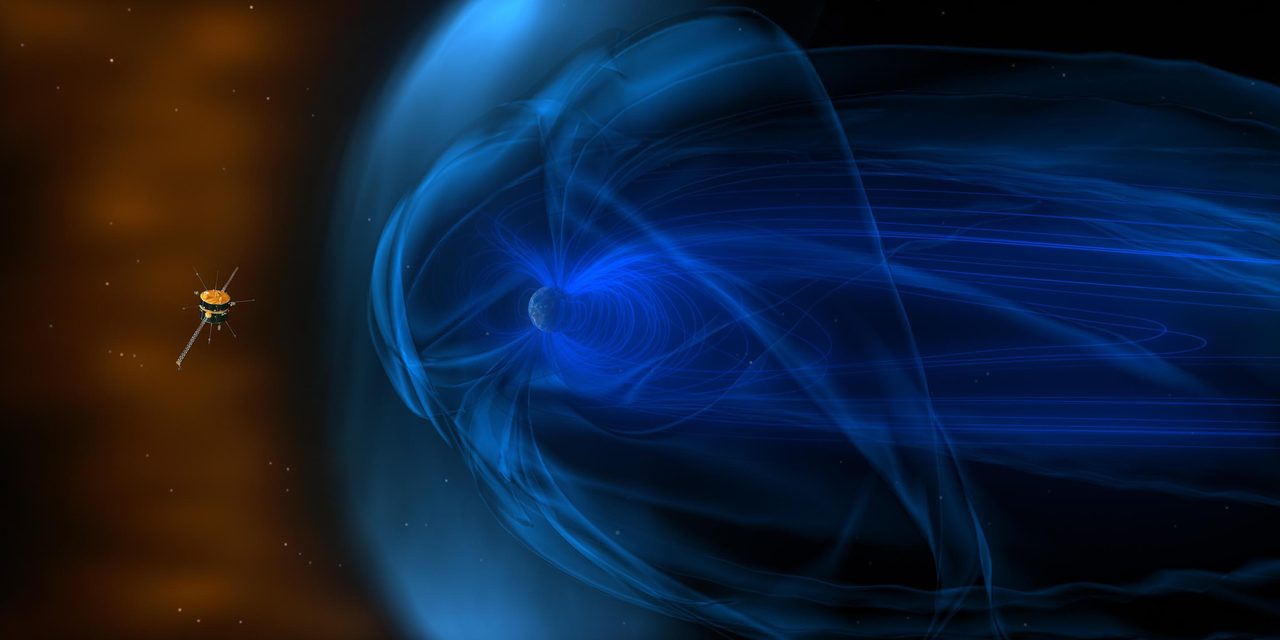
Space weather conditions remained stable this week, with all metrics indicating a green status. The solar wind speed was recorded at 397 km/s, and the geomagnetic activity index (Kp) was at 0, suggesting minimal disturbance. These conditions are favourable for both satellite operations and human spaceflight. For real-time updates on space weather, the Orbital Radar Space Situational Awareness hub provides detailed information.
Notable Satellites
The Starlink constellation continues to dominate the satellite landscape, with 11,133 satellites launched to date. Of these, 9,941 are operational, 934 are raising their orbits, and 258 are in the process of deorbiting. This week also saw the announcement of the Starfish Space's Otter servicing vehicle, set to launch on Transporter-18, which aims to provide in-orbit servicing capabilities. For detailed satellite information, the Orbital Radar Satellite Library offers a comprehensive catalogue.
Looking Ahead
As we look to the future, NASA and Boeing are set to provide updates on the Starliner development, a key component of NASA's crewed spaceflight programme. Additionally, the next crew bound for the International Space Station has arrived in Florida, preparing for their upcoming mission. For those interested in the latest developments in space exploration, the Orbital Radar Launch Schedule and Space Agencies directory offer in-depth insights into future missions and collaborations.
📎 Cite this article · data available
Orbital Radar Newsroom. (2026). This Week in Orbit: 2026-09-30. Orbital Radar. https://orbitalradar.com/blog/this-week-in-orbit-2026-09-30"This Week in Orbit: 2026-09-30." Orbital Radar, 28 September 2026, https://orbitalradar.com/blog/this-week-in-orbit-2026-09-30.@misc{orbitalradar_this_week_in_orbit_2026_09_30,
title = {This Week in Orbit: 2026-09-30},
author = {{Orbital Radar}},
year = {2026},
howpublished = {\url{https://orbitalradar.com/blog/this-week-in-orbit-2026-09-30}}
}