This Week in Orbit: 2026-09-13
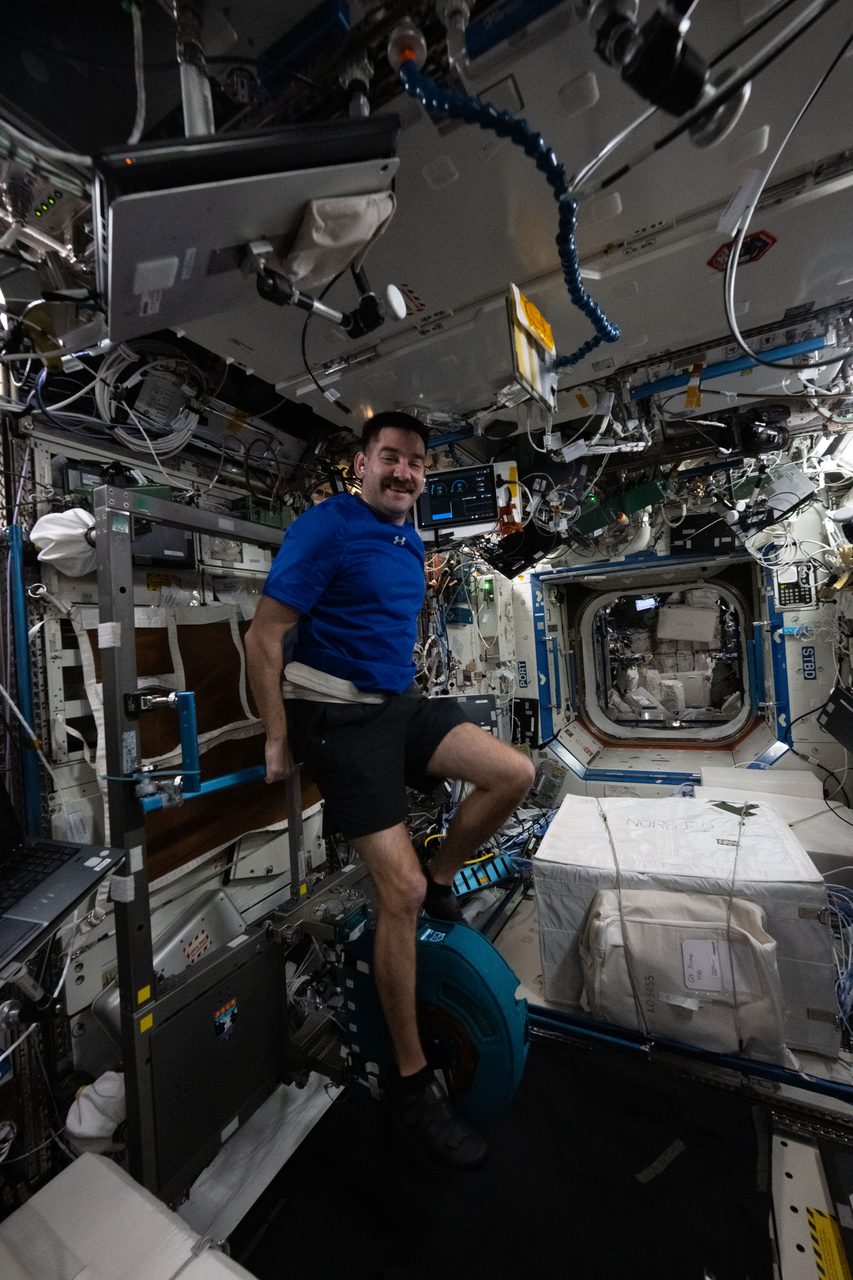
This week in orbit saw a rich tapestry of scientific insights and celestial events. A significant development was Japan's Hayabusa2 achieving the first-ever laser ranging experiment with an asteroid, marking a milestone in space exploration.
| Active satellites | 18,106 |
| Starlink active | 9,838 |
| Catalogued objects | 29,428 |
| Active close approaches | 13 |
| People in space | 1,120,260,913,140,824.2 |
Week Overview
This week in orbit saw a rich tapestry of scientific insights and celestial events. A significant development was Japan's Hayabusa2 achieving the first-ever laser ranging experiment with an asteroid, marking a milestone in space exploration. Meanwhile, the Rubin Observatory provided a deeper look into the COSMOS field, offering new perspectives on the universe's vastness. On a historical note, we remembered NASA astronaut Mae Jemison's pioneering journey as the first Black woman in space on 12 September 1992. As of 13 September 2026, 18,106 active satellites were tracked by Orbital Radar's live catalogue.
Launch Activity
This week was notably quiet on the launch front, with no new launches recorded in the Orbital Radar Launch Log. However, the space sector remains dynamic, with Europe's commercial launch sector reportedly picking up pace, as noted by NASASpaceflight. For upcoming launches, enthusiasts can keep an eye on the Orbital Radar Launch Schedule for the latest updates.
Orbital Events
Orbital Radar's Space Situational Awareness hub tracked 13 active close approaches this week. Notable among these were the close encounters between TIANHUI 5A and TIANHUI 5B, with a minimum distance of approximately 1.05 km. Such events underscore the importance of monitoring satellite trajectories to prevent potential collisions. Additionally, the Starlink constellation remains a dominant presence, with 9,838 operational satellites as of 13 September 2026.
Space Weather
Space weather conditions remained stable this week, with all metrics indicating a 'green' status. The solar wind speed was recorded at 450 km/s, and the geomagnetic Kp index was at 0, suggesting minimal geomagnetic activity. These conditions are favourable for satellite operations in low Earth orbit (LEO) and geostationary orbit (GEO). For real-time updates, the Orbital Radar Space Situational Awareness hub provides comprehensive space weather data.
Notable Satellites
The James Webb Space Telescope made headlines with its discovery of changing rings around the solar system body Chariklo. This observation adds to the growing body of knowledge about our solar system's dynamics. Additionally, NASA's Chandra X-ray Observatory spotted a 'Galactic Gem', furthering our understanding of cosmic phenomena. For detailed satellite information, the Orbital Radar Satellite Library offers extensive data on these and other missions.
Looking Ahead
As we look to the future, the potential establishment of a US Space Academy, as proposed, could impact the landscape of space exploration and defence. Meanwhile, researchers are poised to refine data from space telescopes with the Artifact InSPECtor tool, promising advancements in astronomical observations. To stay informed about upcoming celestial events, the Orbital Radar Pass Predictor is an invaluable resource.
📎 Cite this article · data available
Orbital Radar Newsroom. (2026). This Week in Orbit: 2026-09-13. Orbital Radar. https://orbitalradar.com/blog/this-week-in-orbit-2026-09-13"This Week in Orbit: 2026-09-13." Orbital Radar, 13 September 2026, https://orbitalradar.com/blog/this-week-in-orbit-2026-09-13.@misc{orbitalradar_this_week_in_orbit_2026_09_13,
title = {This Week in Orbit: 2026-09-13},
author = {{Orbital Radar}},
year = {2026},
howpublished = {\url{https://orbitalradar.com/blog/this-week-in-orbit-2026-09-13}}
}