This Week in Orbit: 2026-10-06
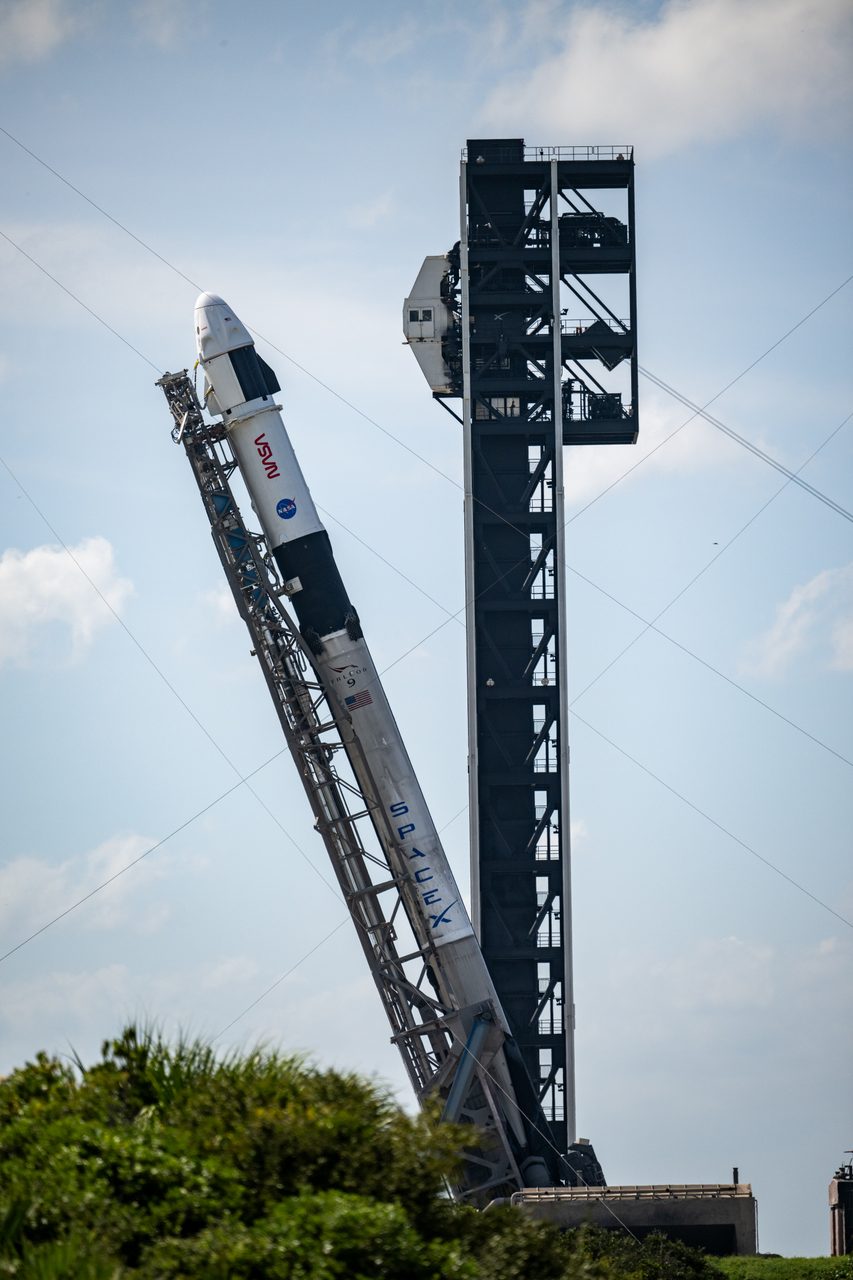
The past week in space was marked by significant developments across various domains. SpaceX's Falcon Heavy successfully launched a mission for the U.S.
| Active satellites | 15,751 |
| Starlink active | 10,047 |
| Catalogued objects | 31,472 |
| Predicted re-entries | 28 |
| Active close approaches | 16 |
| People in space | 14 |
Week Overview
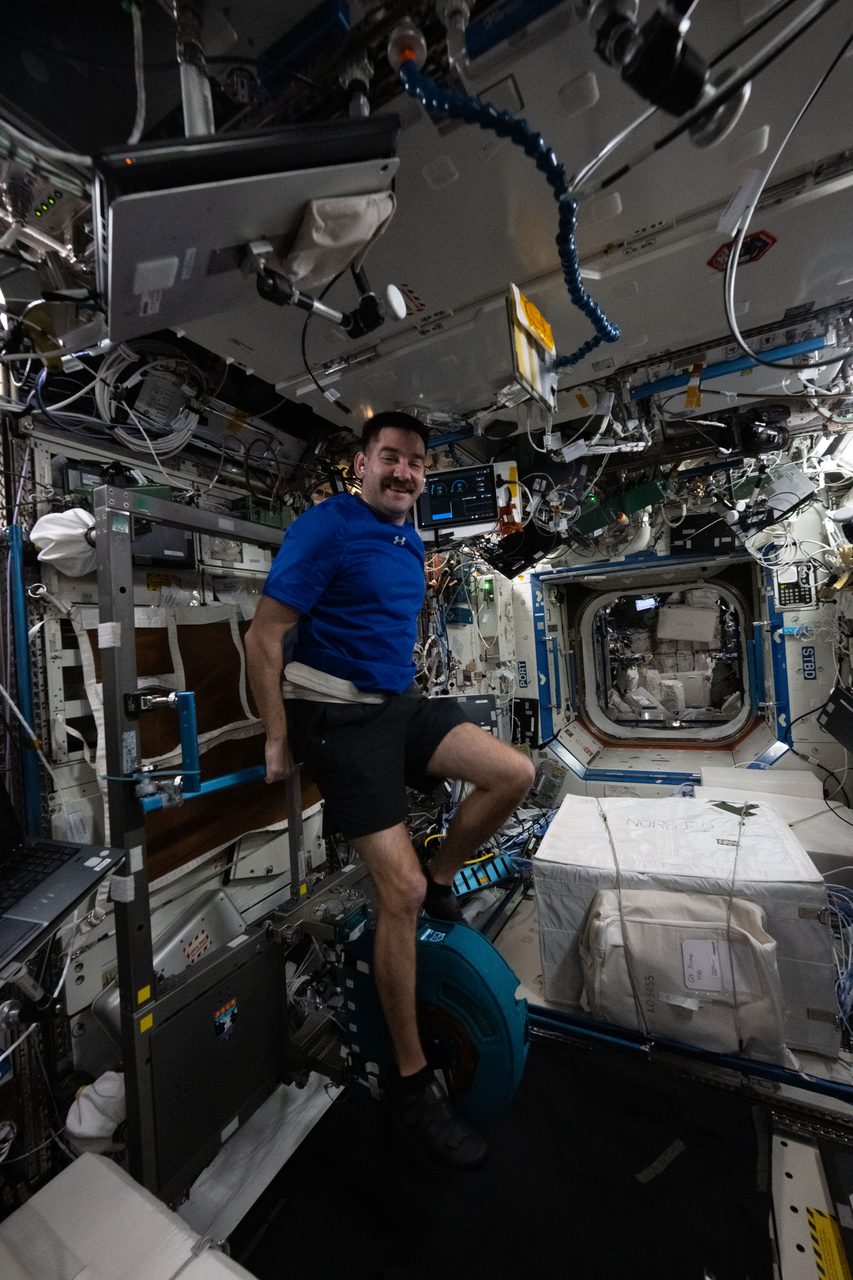
The past week in space was marked by significant developments across various domains. SpaceX's Falcon Heavy successfully launched a mission for the U.S. spy satellite agency, marking its first such operation. Meanwhile, the International Space Station (ISS) saw Crew-13's arrival as Crew-12 prepared for departure, highlighting the ongoing rotation of personnel in space. On the scientific front, ESA's Jammertest experiment in Norway and NASA's new applications for flight directors indicate a continued push for innovation and leadership in space exploration. The asteroid Bennu's identity crisis, potentially influenced by Jupiter, also captured attention, as did the Typhoon Surigae imagery from ESA's Earth observation satellites. These events, along with others, underscore the dynamic nature of current space activities.
Launch Activity
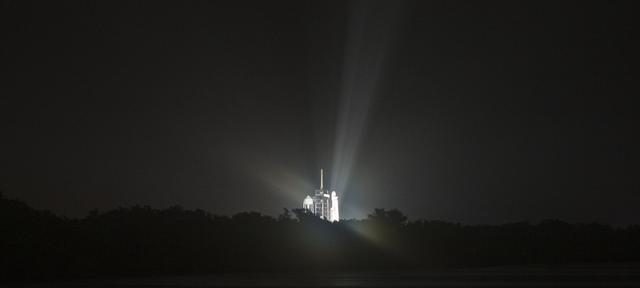
This week saw no new launches, but SpaceX's recent triple-header of launches, including the Falcon Heavy mission, was a highlight. The Falcon Heavy's payload, a classified satellite for the U.S. National Reconnaissance Office, underscores the growing role of commercial launch providers in national security. For a detailed history of launches, including this week's absence, the Orbital Radar Launch Log provides comprehensive data.
Orbital Events
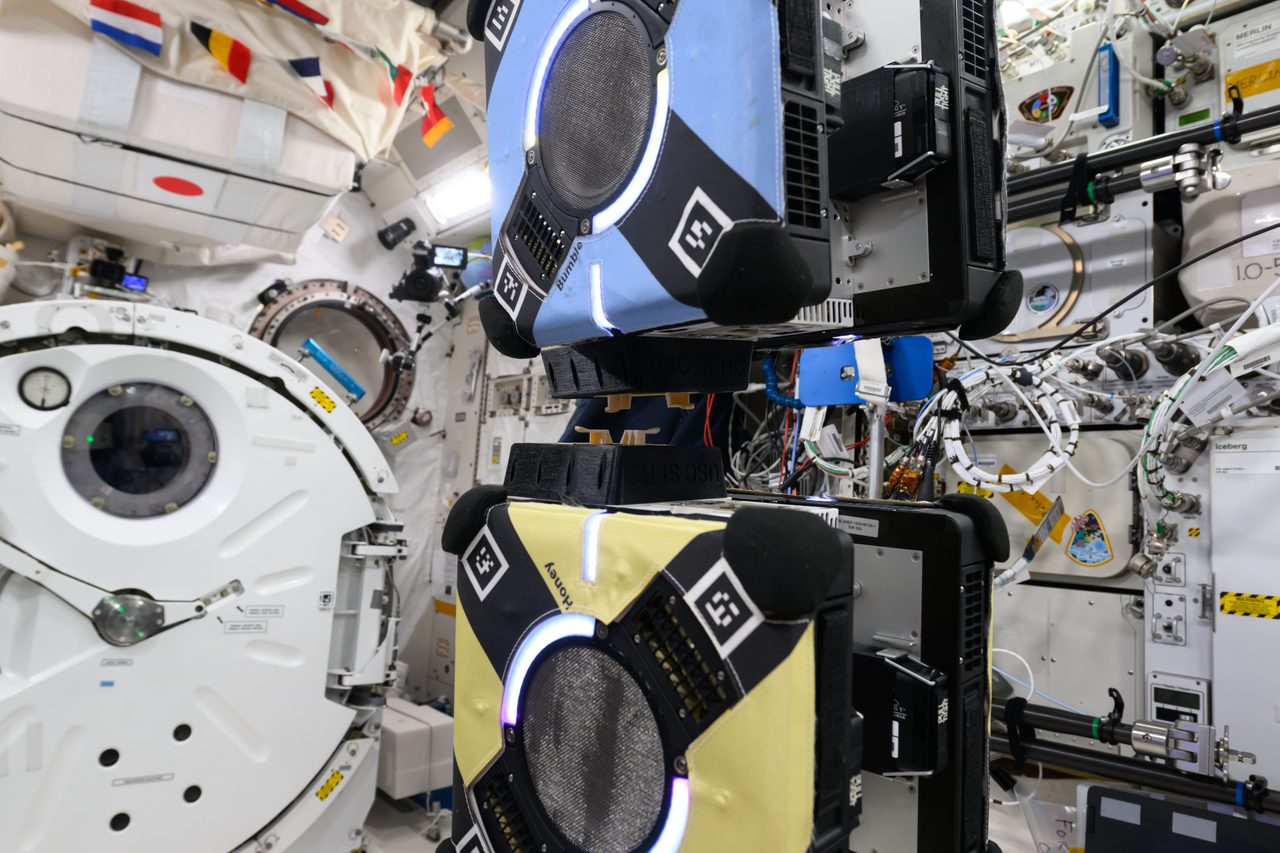
Several close approaches were tracked this week, with the most notable being between PRC Test Spacecraft 4 and Object H, and between Intelsat 1002 and MEV-2, both with a minimum distance of 0.00 km. These events highlight the increasing congestion in orbit and the importance of space situational awareness. Additionally, a sharp change in the drag term for STARLINK-30116 suggests possible manoeuvres or space weather impacts. Orbital Radar's Debris Map offers real-time tracking of such close approaches and debris.
Space Weather
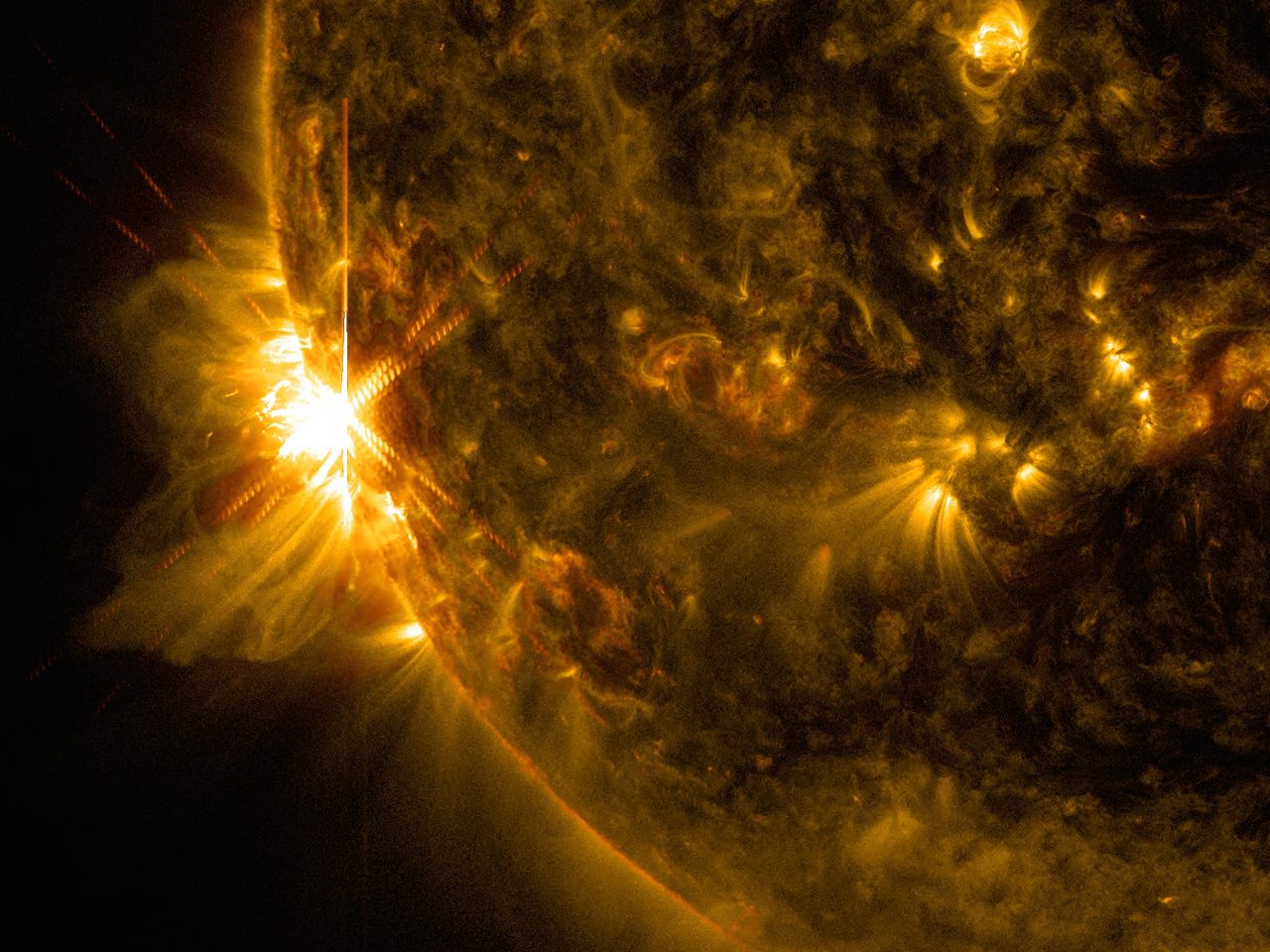
Space weather conditions this week were moderate, with a Kp index of 4 and solar wind speed at 635 km/s. The solar wind density was notably high, marked as red, indicating potential impacts on satellite operations. The geomagnetic conditions in low Earth orbit (LEO) and geostationary orbit (GEO) were marked as yellow, suggesting caution for satellite operators. For real-time updates and detailed analysis, the Orbital Radar Space Situational Awareness hub is an essential resource.
Notable Satellites
As of this week, there are 15,751 active satellites in orbit, with 10,047 of them being Starlink satellites. This represents a significant portion of the total 31,472 catalogued objects, including debris. The Starlink constellation continues to expand, with 10,047 operational satellites and 893 raising their orbits. For tracking specific satellites, including Starlink, the Orbital Radar Starlink Tracker provides detailed information.
Looking Ahead
Looking forward, NASA has opened applications for its next class of flight directors, signalling a continued focus on leadership in space missions. ESA's plans to pursue crew transport and space stations as new European launchers come online also point to exciting developments in the coming years. For those interested in upcoming missions and launches, the Orbital Radar Launch Schedule offers a preview of future activities.
📎 Cite this article · data available
Orbital Radar Newsroom. (2026). This Week in Orbit: 2026-10-06. Orbital Radar. https://orbitalradar.com/blog/this-week-in-orbit-2026-10-06"This Week in Orbit: 2026-10-06." Orbital Radar, 5 October 2026, https://orbitalradar.com/blog/this-week-in-orbit-2026-10-06.@misc{orbitalradar_this_week_in_orbit_2026_10_06,
title = {This Week in Orbit: 2026-10-06},
author = {{Orbital Radar}},
year = {2026},
howpublished = {\url{https://orbitalradar.com/blog/this-week-in-orbit-2026-10-06}}
}