China's Space Programme: A Comprehensive Overview
China's space programme, led by the CNSA, is a major force in global space exploration, with significant achievements in satellite deployment and lunar exploration.
| Active satellites | 18,037 |
| Starlink active | 9,813 |
| Catalogued objects | 29,422 |
| Predicted re-entries | 11 |
| Active close approaches | 19 |
| People in space | 10 |
China's space programme, spearheaded by the China National Space Administration (CNSA), has rapidly evolved into a formidable force in global space exploration. With over 180 active satellites, China is a key player in the deployment of space technology, lunar missions, and satellite navigation systems.
The Role of the CNSA
The China National Space Administration (CNSA) is the governmental body responsible for the planning and development of space activities in China. Established in 1993, the CNSA oversees a range of missions from satellite launches to deep space exploration. It is a crucial component of China's broader scientific and technological ambitions.
China's Satellite Network
China operates a diverse array of satellites, including the BeiDou navigation system, which rivals the US GPS network. As of 2026, China maintains 180 active satellites in orbit, contributing to global communications, weather monitoring, and scientific research. The BeiDou system is tracked in real-time on the BeiDou Tracker.
Long March Rockets: The Backbone of China's Launch Capabilities
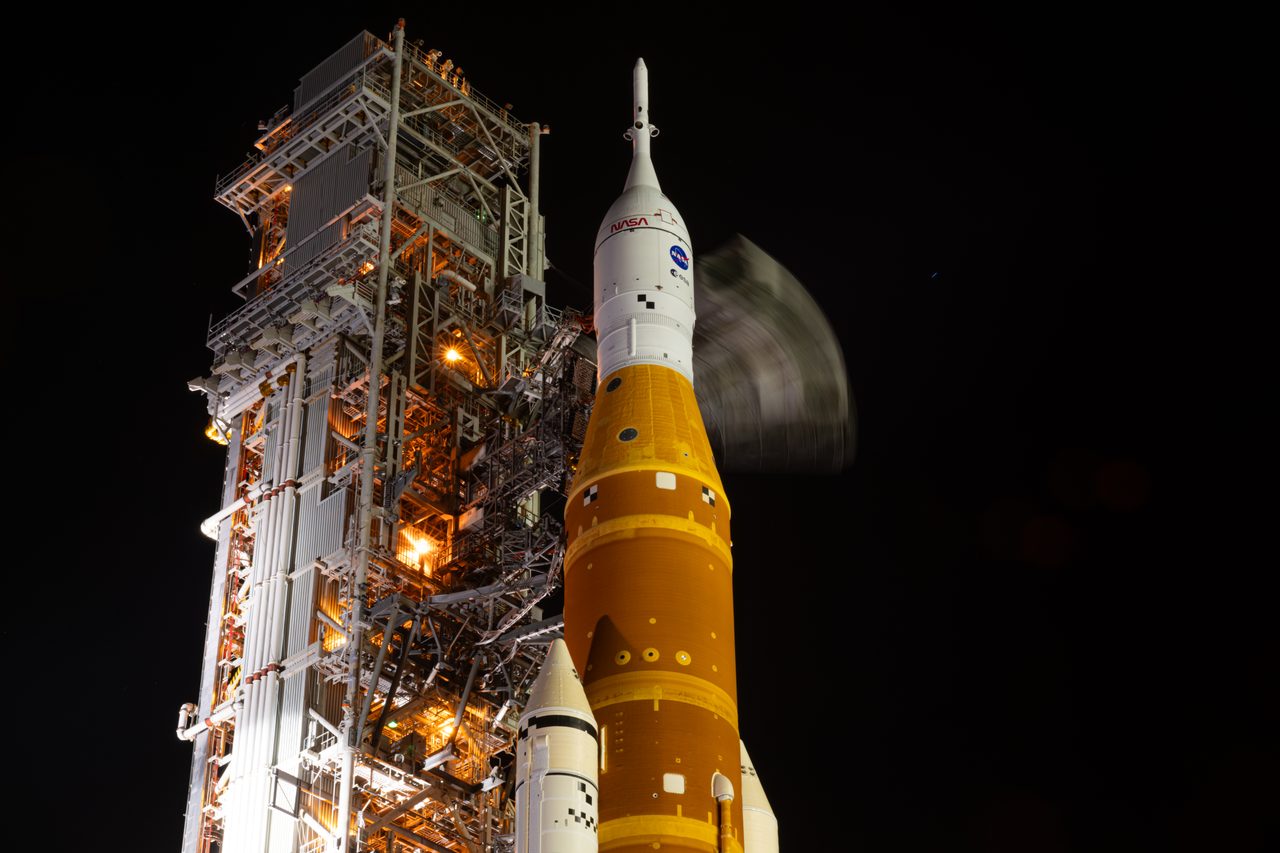
The Long March series of rockets, developed by the China Academy of Launch Vehicle Technology, are the workhorses of China's space programme. These rockets have been integral to launching satellites and crewed missions. The Long March hub provides detailed information on every launch since 1970.
Lunar and Mars Exploration
China's lunar exploration programme has achieved significant milestones, including the Chang'e missions which have successfully landed rovers on the Moon. The Tianwen-1 mission marked China's first successful Mars rover landing in 2021. These missions demonstrate China's growing capabilities in planetary exploration.
International Collaborations and Future Goals
China has engaged in numerous international collaborations, including partnerships with Russia and the European Space Agency. Future goals include establishing a lunar base and expanding the Tiangong space station. These ambitions are part of China's long-term strategy to become a leader in space exploration.
Key Takeaways
China's space programme is a comprehensive effort encompassing satellite technology, lunar and Mars exploration, and international collaboration. With the CNSA at the helm, China aims to solidify its position as a global space leader. For more detailed information, visit the China in Space hub.
Frequently Asked Questions
What is the CNSA?
How many satellites has China launched?
What is the Long March rocket?
What are China's plans for the Moon?
How does the Tiangong space station compare to the ISS?
📎 Cite this article · data available
Orbital Radar Newsroom. (2026). China's Space Programme: A Comprehensive Overview. Orbital Radar. https://orbitalradar.com/blog/china-space-program-explainer"China's Space Programme: A Comprehensive Overview." Orbital Radar, 9 September 2026, https://orbitalradar.com/blog/china-space-program-explainer.@misc{orbitalradar_china_space_program_explainer,
title = {China's Space Programme: A Comprehensive Overview},
author = {{Orbital Radar}},
year = {2026},
howpublished = {\url{https://orbitalradar.com/blog/china-space-program-explainer}}
}