Satellite Re-entry: NORAD 47752 Expected on 9 September 2026
NORAD 47752 is predicted to re-enter Earth's atmosphere on 9 September 2026 at 03:21 UTC. Track it live on Orbital Radar.
| Active satellites | 18,034 |
| Starlink active | 11,082 |
| Catalogued objects | 29,436 |
| Predicted re-entries | 14 |
| Active close approaches | 19 |
NORAD 47752, an unidentified satellite, is projected to re-enter Earth's atmosphere on 9 September 2026 at approximately 03:21 UTC. This event is part of the natural lifecycle of satellites, where they eventually succumb to gravitational forces and atmospheric drag. The exact timing of re-entry can vary due to atmospheric conditions and the satellite's trajectory.
Tracking the Re-entry
Orbital Radar's Re-entry Tracker provides real-time updates on the predicted descent of NORAD 47752. The tool allows users to monitor the satellite's path and anticipate its final moments before re-entry. As the event approaches, the tracker will refine its predictions, offering a more precise window for observation.
Understanding Satellite Re-entry
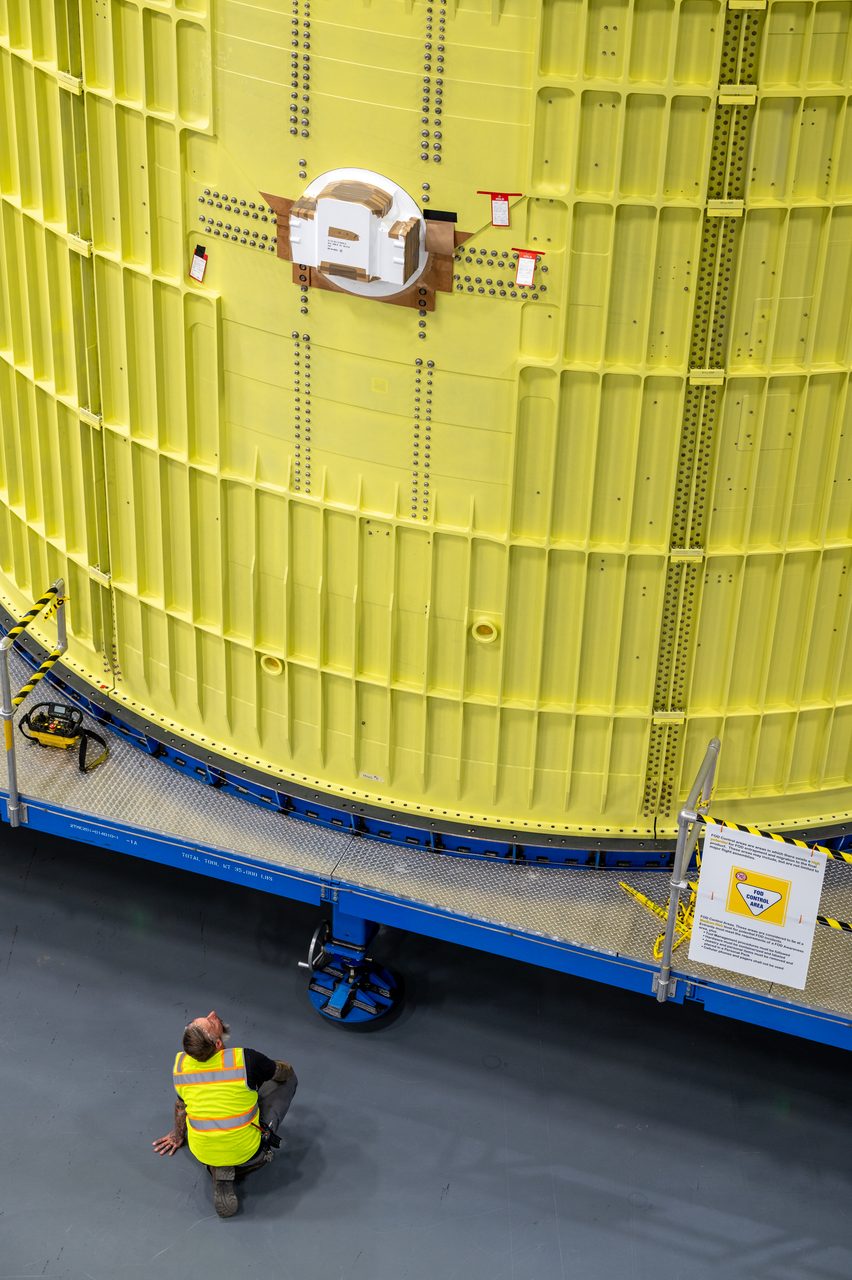
Satellite re-entry is a complex process influenced by various factors, including the satellite's altitude, speed, and orientation. As NORAD 47752 descends, it will encounter increasing atmospheric resistance, causing it to heat up and eventually disintegrate. While most of the satellite will burn up, some debris may reach the Earth's surface, though the risk to populated areas is minimal.
What to Expect
Observers may witness a bright streak across the sky as NORAD 47752 re-enters. This spectacle is caused by the intense heat generated as the satellite travels through the atmosphere. For those interested in watching the event, it is advisable to check the Re-entry Tracker for the latest updates and visibility predictions.
Frequently Asked Questions
When is NORAD 47752 expected to re-enter?
How can I track the re-entry of NORAD 47752?
What happens during a satellite re-entry?
📎 Cite this article · data available
Orbital Radar Newsroom. (2026). Satellite Re-entry: NORAD 47752 Expected on 9 September 2026. Orbital Radar. https://orbitalradar.com/blog/satellite-reentry-norad-47752-2026-09-09"Satellite Re-entry: NORAD 47752 Expected on 9 September 2026." Orbital Radar, 9 September 2026, https://orbitalradar.com/blog/satellite-reentry-norad-47752-2026-09-09.@misc{orbitalradar_satellite_reentry_norad_47752_2026_09_09,
title = {Satellite Re-entry: NORAD 47752 Expected on 9 September 2026},
author = {{Orbital Radar}},
year = {2026},
howpublished = {\url{https://orbitalradar.com/blog/satellite-reentry-norad-47752-2026-09-09}}
}