Understanding Satellite Look Angles: Azimuth and Elevation Explained

Satellite look angles, including azimuth and elevation, are crucial for tracking and communication. Learn how these angles are measured and their significance.
| Active satellites | 18,110 |
| Starlink active | 9,831 |
| Catalogued objects | 29,477 |
| Predicted re-entries | 18 |
| Active close approaches | 15 |
Satellite look angles are the specific angles used to determine the position of a satellite in the sky from a given location on Earth. These angles include azimuth, which is the compass direction from the observer to the satellite, and elevation, which is the angle above the horizon. Understanding these angles is essential for satellite tracking and communication.
What Are Satellite Look Angles?
Satellite look angles, comprising azimuth and elevation, are critical for determining a satellite's position relative to an observer on Earth. Azimuth is measured in degrees from true north, moving clockwise, while elevation is the angle above the horizon. These measurements help ground stations point their antennas accurately to maintain a communication link with satellites.
How Are Azimuth and Elevation Calculated?
To calculate azimuth and elevation, one must know the observer's geographic coordinates and the satellite's orbital parameters. Using this data, software tools compute the angles required to point an antenna. Orbital Radar's Groundlink tool provides azimuth and elevation look-angle reports for any satellite from any site, aiding precise tracking.
Why Are Look Angles Important?
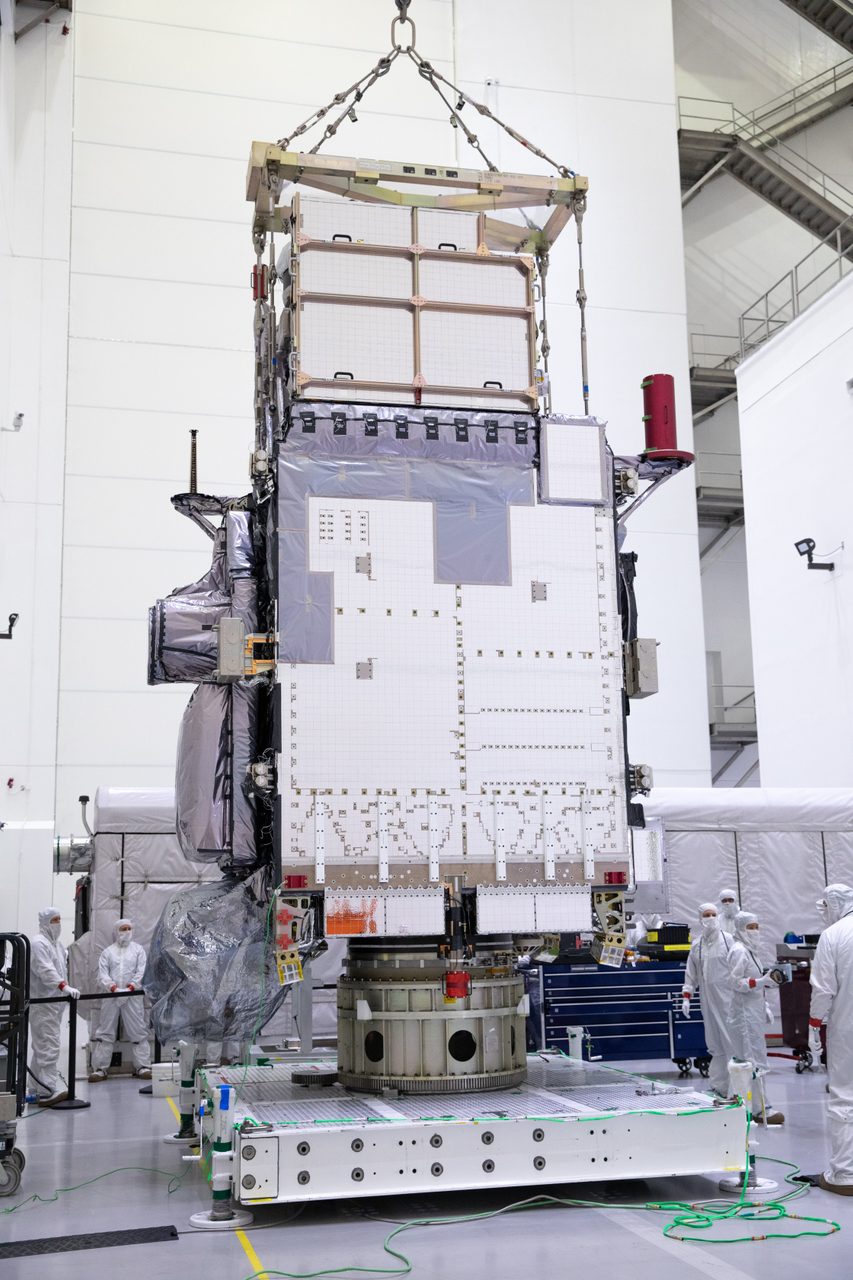
Look angles are vital for maintaining communication with satellites, especially those in geostationary orbits, which appear stationary relative to a point on Earth. Accurate look angles ensure that antennas are correctly aligned, preventing signal loss. This is crucial for applications like satellite television, internet services, and weather monitoring.
Look Angles in Different Orbits
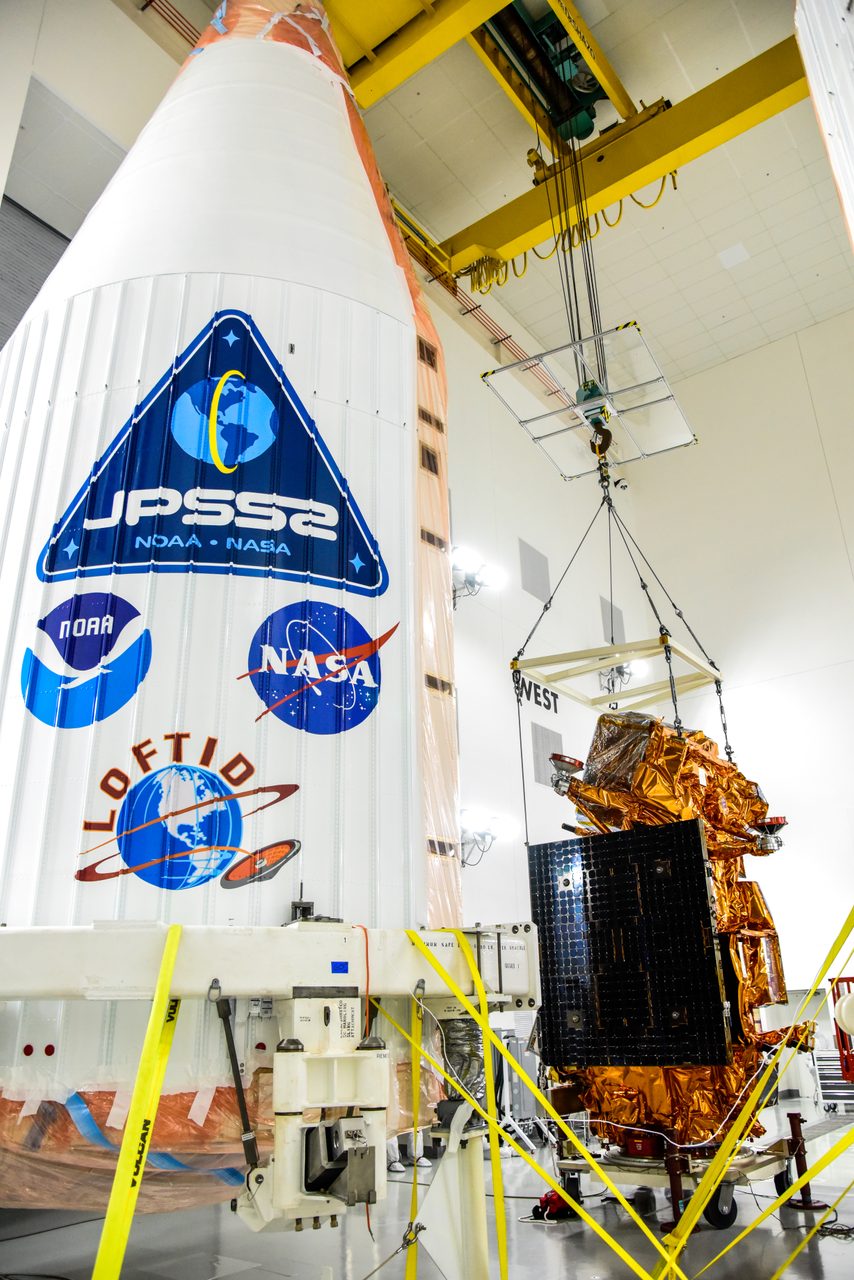
The significance of look angles varies with the satellite's orbit. For low Earth orbit (LEO) satellites, such as the 9,831 active Starlink satellites, look angles change rapidly due to their high speed. In contrast, geostationary satellites require stable look angles. Orbital Radar's pass predictor helps users anticipate when satellites will be visible from their location.
Key Takeaways
Understanding satellite look angles is essential for effective satellite communication and tracking. Azimuth and elevation angles allow ground stations to maintain precise alignment with satellites, ensuring reliable data transmission. These principles apply across various satellite orbits, from LEO to geostationary, influencing how we interact with space technology.
Frequently Asked Questions
How do you find the azimuth angle for a satellite?
What is the difference between azimuth and elevation?
Why is elevation important in satellite communication?
How do satellite look angles affect signal quality?
Can look angles change over time?
📎 Cite this article · data available
Orbital Radar Newsroom. (2026). Understanding Satellite Look Angles: Azimuth and Elevation Explained. Orbital Radar. https://orbitalradar.com/blog/satellite-look-angles-explainer"Understanding Satellite Look Angles: Azimuth and Elevation Explained." Orbital Radar, 12 September 2026, https://orbitalradar.com/blog/satellite-look-angles-explainer.@misc{orbitalradar_satellite_look_angles_explainer,
title = {Understanding Satellite Look Angles: Azimuth and Elevation Explained},
author = {{Orbital Radar}},
year = {2026},
howpublished = {\url{https://orbitalradar.com/blog/satellite-look-angles-explainer}}
}