The World's Spaceports: Comprehensive Launch Sites Guide
Spaceports are crucial launch sites for rockets entering orbit. Discover key locations and their roles in global space exploration.
Spaceports are facilities where rockets are launched into space, playing a pivotal role in the deployment of satellites, scientific missions, and human spaceflight. As of 2023, there are numerous active spaceports worldwide, each contributing to the 18,364 active satellites in orbit. This guide explores the major spaceports, their capabilities, and their significance in the global space industry.
What Defines a Spaceport?
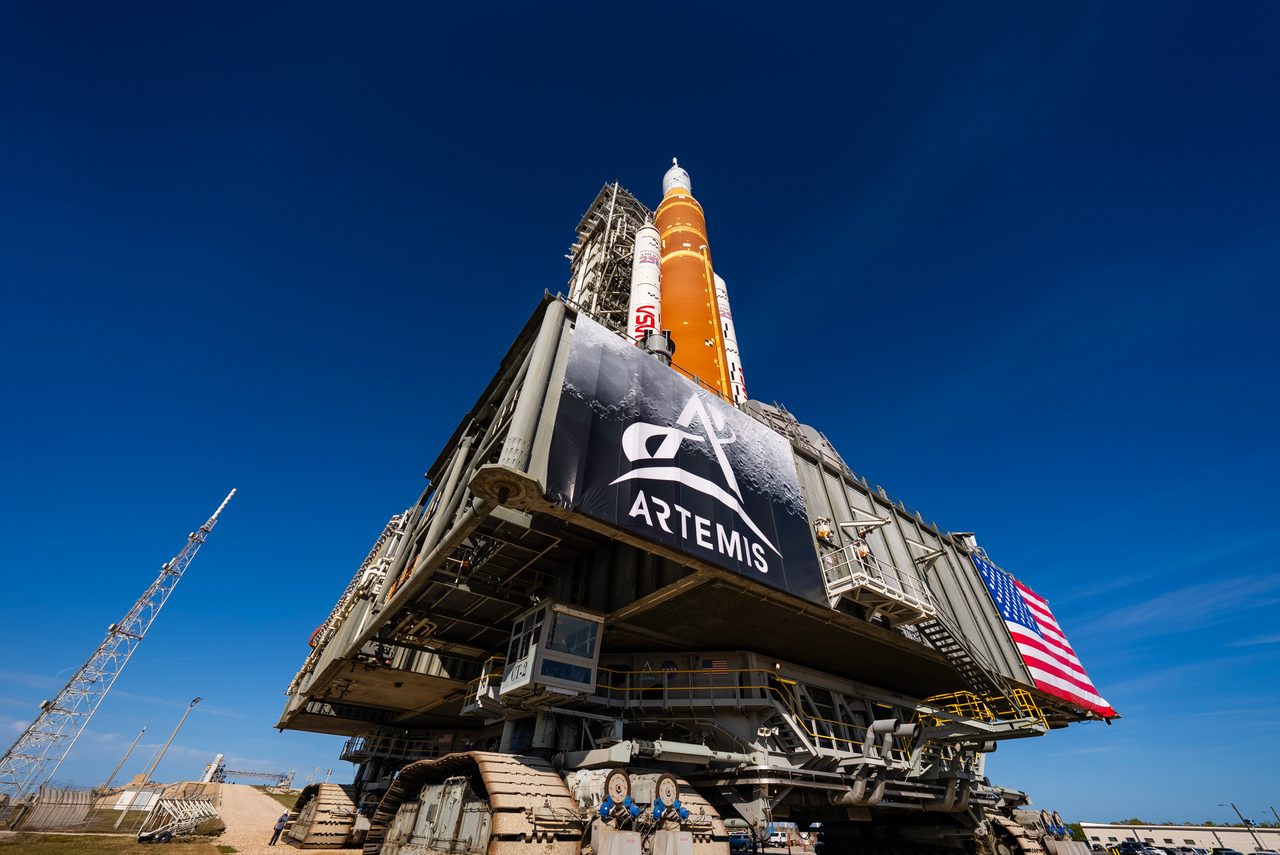
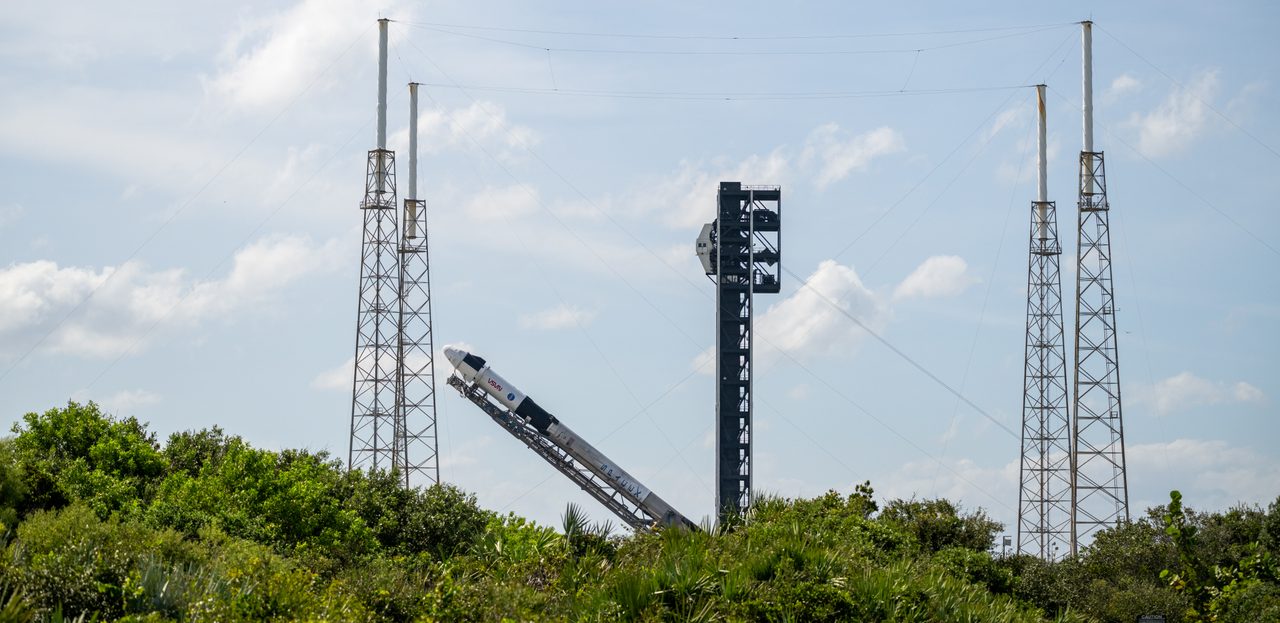
A spaceport, also known as a cosmodrome, is a site equipped for launching spacecraft. Key components include launch pads, control centres, and support infrastructure for vehicle assembly and fuelling. Unlike airports, spaceports handle the unique challenges of launching vehicles into orbit, such as precise timing and trajectory calculations. The launch site must also consider geographical factors to optimise flight paths and minimise risks to populated areas.
Major Spaceports Around the World
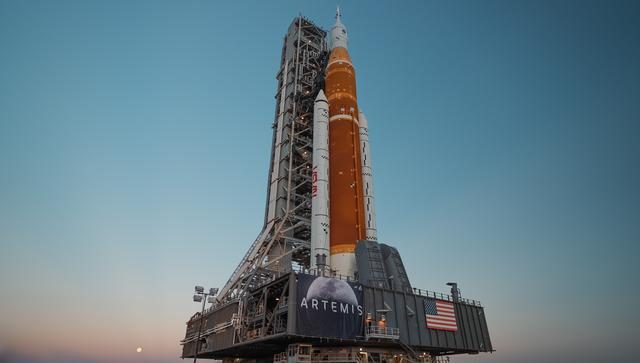
The Kennedy Space Center in Florida, USA, is perhaps the most famous spaceport, hosting historic launches like the Apollo Moon missions. Baikonur Cosmodrome in Kazakhstan, the world's first spaceport, remains a key site for Russian and international missions. Europe's primary launch site is the Guiana Space Centre in French Guiana, which benefits from its proximity to the equator, allowing for efficient launches. China operates several spaceports, including the Jiuquan Satellite Launch Center, which supports the country's ambitious space programme.
How Spaceports Support Commercial Spaceflight

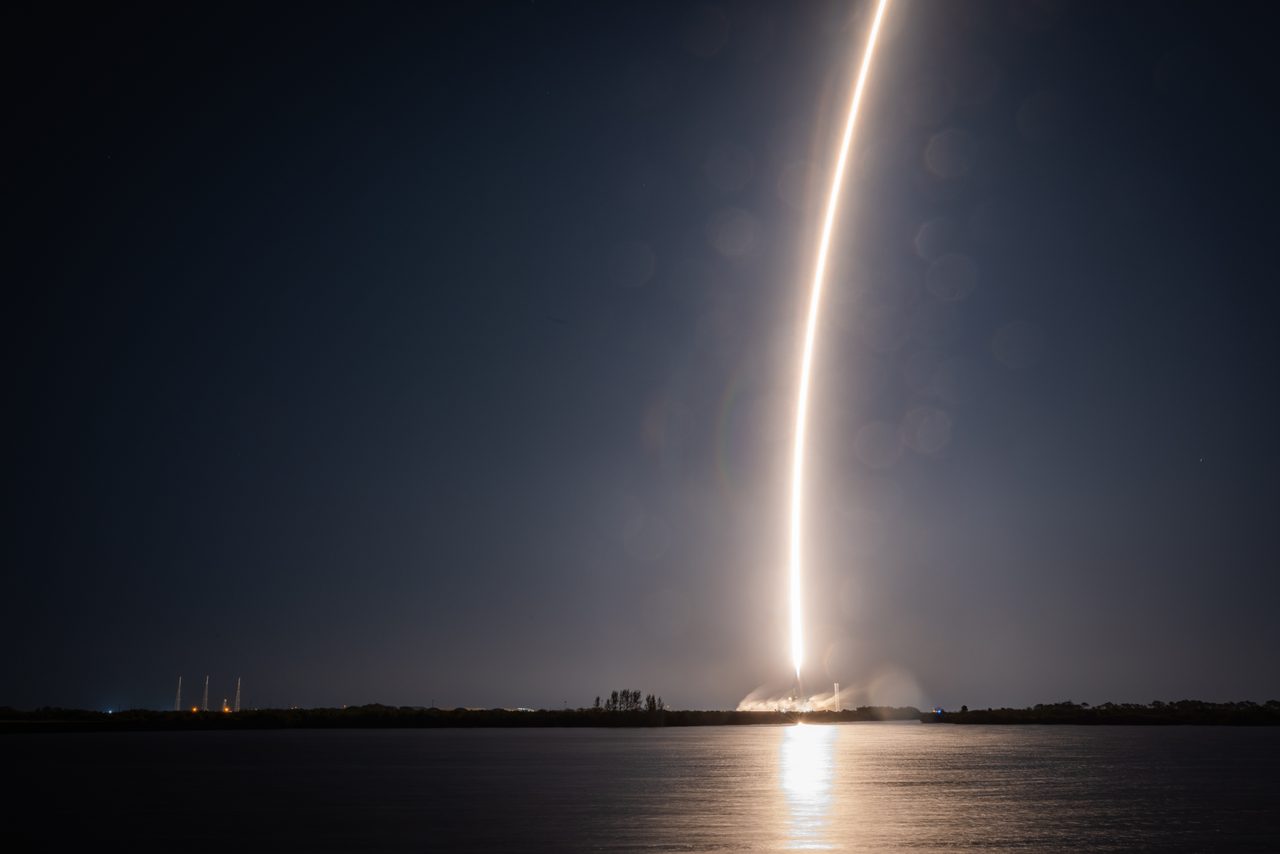
With the rise of private companies like SpaceX and Blue Origin, spaceports are increasingly supporting commercial spaceflight. These facilities provide essential services such as vehicle integration and launch operations. SpaceX's launches from Cape Canaveral have significantly increased the frequency of commercial missions, contributing to the 10,781 active Starlink satellites. The development of new spaceports, such as Spaceport America in New Mexico, aims to facilitate the growing demand for commercial space access.
Environmental and Safety Considerations
Spaceports must address environmental impacts, such as emissions and potential harm to local ecosystems. Launches produce significant noise and chemical by-products, necessitating careful site selection and regulatory compliance. Safety is paramount, with rigorous protocols to protect personnel and the public. Launch failures, though rare, highlight the importance of robust safety measures and emergency response plans.
Future of Spaceports: Expansion and Innovation
The future of spaceports involves expansion and technological innovation to support increasing launch demands. Emerging technologies, such as reusable rockets, are reshaping spaceport operations, reducing costs and turnaround times. New spaceports are being developed in regions like Australia and the UK, aiming to capture a share of the burgeoning space industry. These developments are essential for maintaining the pace of global space exploration and satellite deployment.
Key Takeaways
Spaceports are critical infrastructure for launching spacecraft and supporting the global space industry. From historic sites like Baikonur to modern facilities like Spaceport America, each spaceport plays a unique role. As the demand for space access grows, so too will the need for efficient and environmentally responsible spaceports. For more detailed information on specific spaceports, visit the Orbital Radar spaceports page.
Frequently Asked Questions
How many spaceports are there in the world?
What is the largest spaceport?
Why are spaceports located near the equator?
What is the difference between a spaceport and an airport?
How do spaceports impact the environment?
📎 Cite this article
Orbital Radar Newsroom. (2026). The World's Spaceports: Comprehensive Launch Sites Guide. Orbital Radar. https://orbitalradar.com/blog/worlds-spaceports-guide"The World's Spaceports: Comprehensive Launch Sites Guide." Orbital Radar, 24 July 2026, https://orbitalradar.com/blog/worlds-spaceports-guide.@misc{orbitalradar_worlds_spaceports_guide,
title = {The World's Spaceports: Comprehensive Launch Sites Guide},
author = {{Orbital Radar}},
year = {2026},
howpublished = {\url{https://orbitalradar.com/blog/worlds-spaceports-guide}}
}