Space News Mission Log — Satellite Launches, Orbital Events & Analysis
Daily space news, satellite launch reports, orbital debris analysis and weekly roundups — grounded in live tracking data from our network monitoring 24 published reports.
Active Debris Removal: Technologies Cleaning Up Space
Active debris removal involves technologies designed to clean up space junk, ensuring sustainable orbits for future missions.
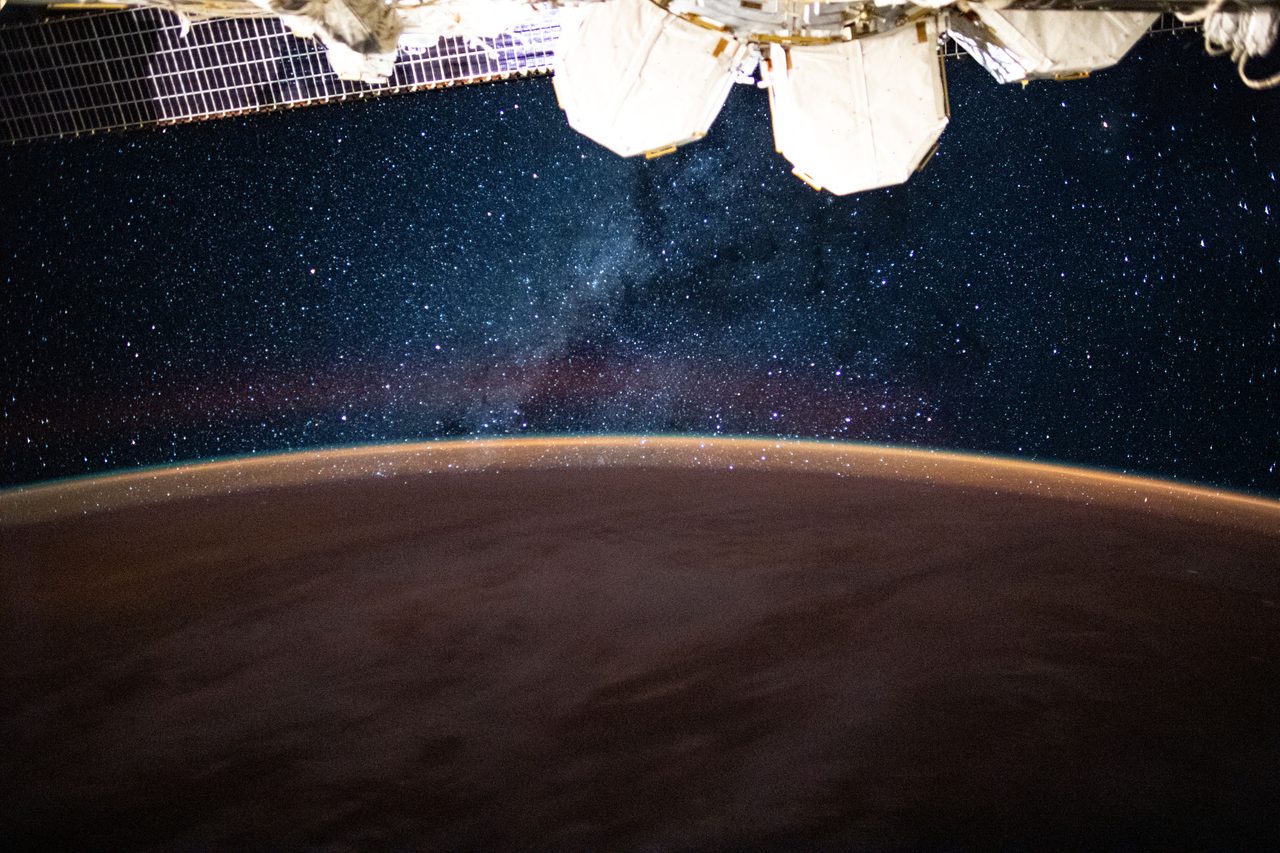
Space Sustainability: Ensuring the Future of Orbital Operations
Space sustainability involves managing the growing number of satellites and debris to ensure long-term usability of Earth's orbits.
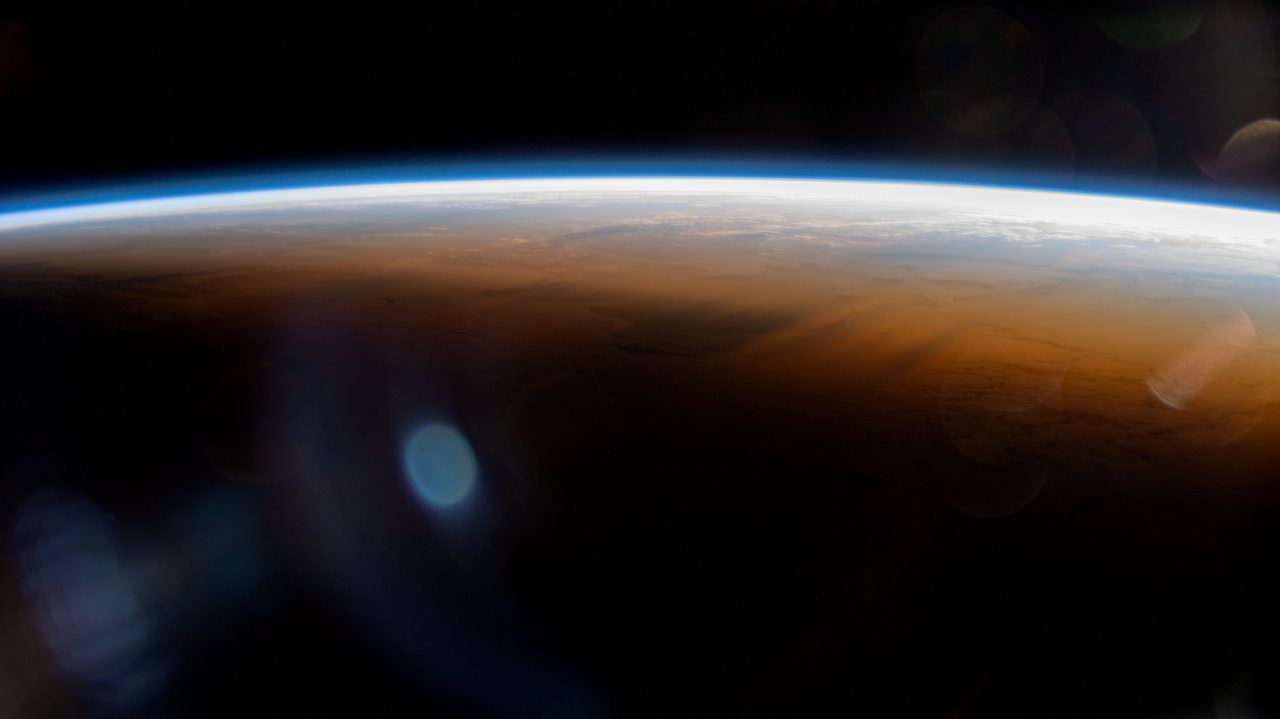
Space Debris: Understanding the Growing Threat in Orbit
Space debris refers to defunct human-made objects in orbit, posing risks to satellites and space missions.
Understanding Rocket Body Debris in Earth's Orbit
Rocket body debris refers to the remnants of launch vehicles left in orbit, contributing significantly to space debris and posing collision risks.
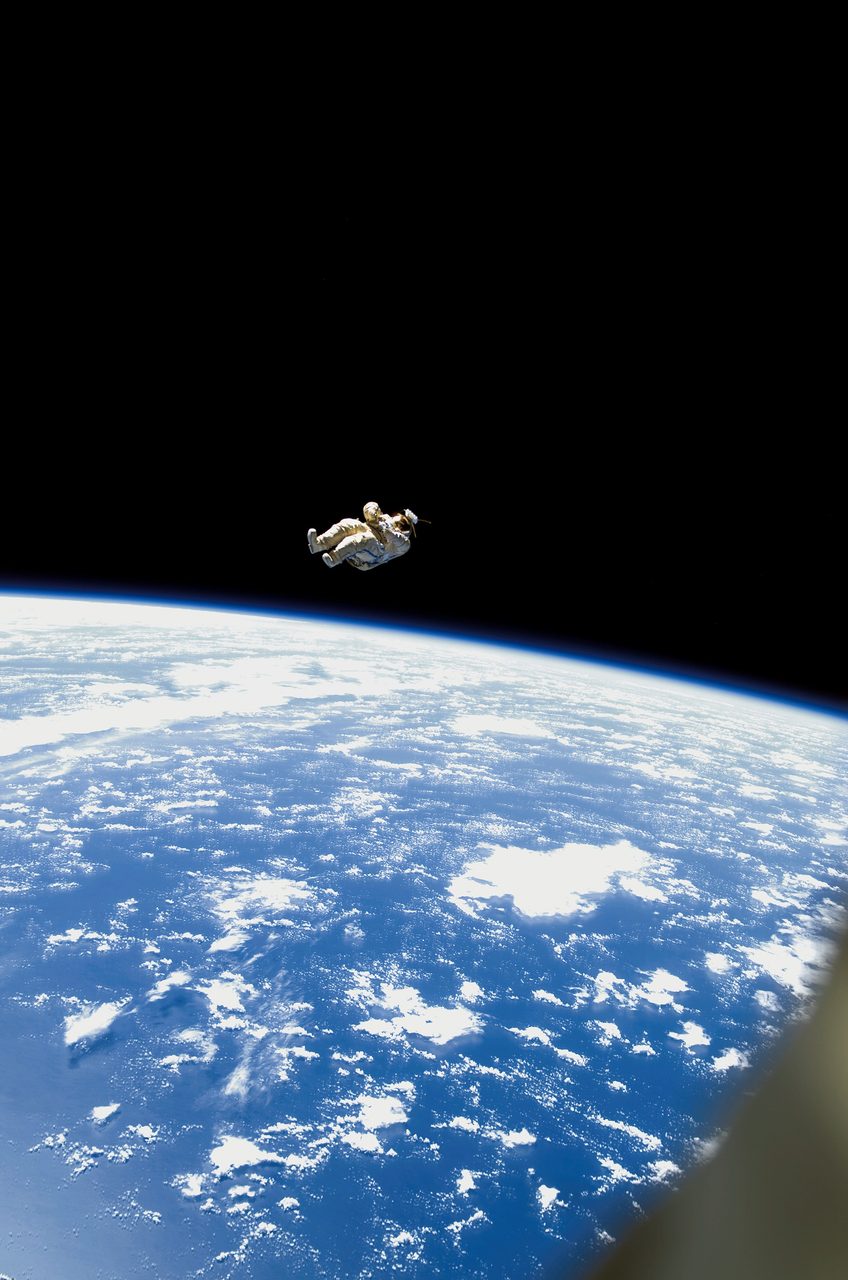
How Many Starlink Satellites Fall Each Day?
1.5 Starlink satellites re-enter Earth's atmosphere each day, according to Orbital Radar data. Explore the reasons behind these controlled re-entries.
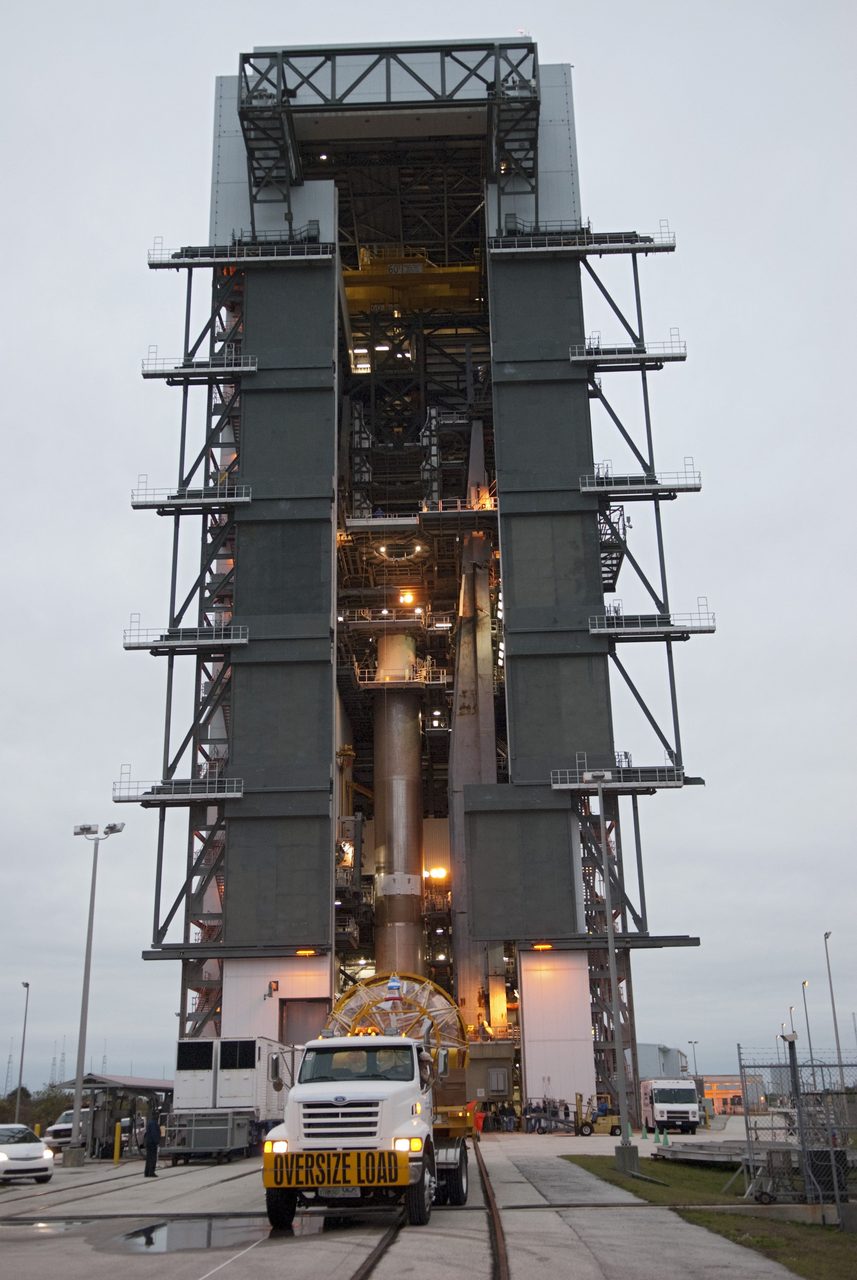
The Cosmos-Iridium Collision: A Landmark Satellite Crash
The Cosmos-Iridium collision in 2009 marked the first major satellite crash, significantly impacting space debris management and satellite operations.
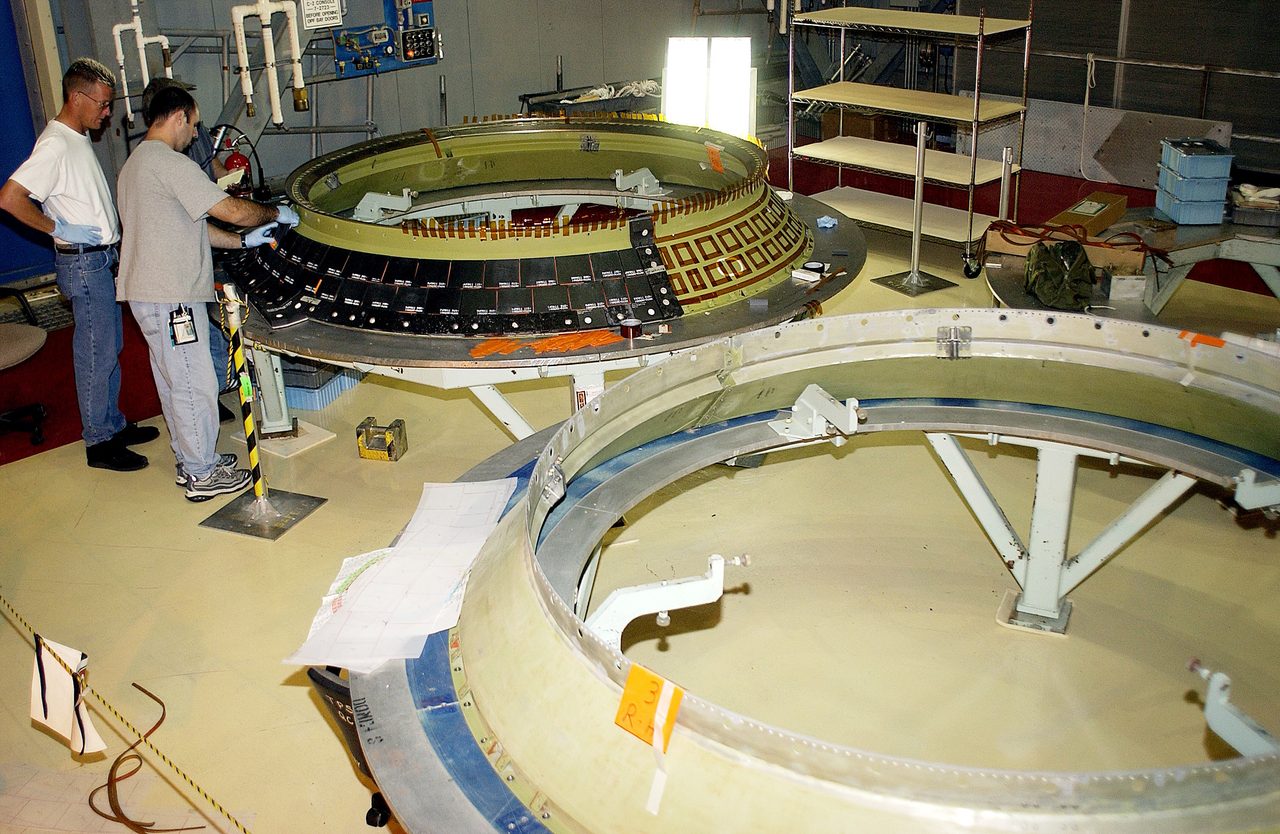
How Many Satellites Reentered This Year? 2026 by the Numbers
Orbital Radar records 673 satellite and payload re-entries in 2026 so far, within 1,119 atmospheric returns across all object types.
Satellite Spotlight: COSMOS 1408 — The 2021 Russian ASAT Test Debris Field
COSMOS 1408, also known by its NORAD ID 13552, was a Soviet-era electronic signals intelligence satellite launched on 16 September 1982. It was part of the Tselina-D series, designed to monitor electronic communications and radar emissions from Earth.

Understanding Kessler Syndrome: Space Debris Chain Reaction
Kessler syndrome refers to a scenario where space debris collisions create more debris, increasing collision risks exponentially.
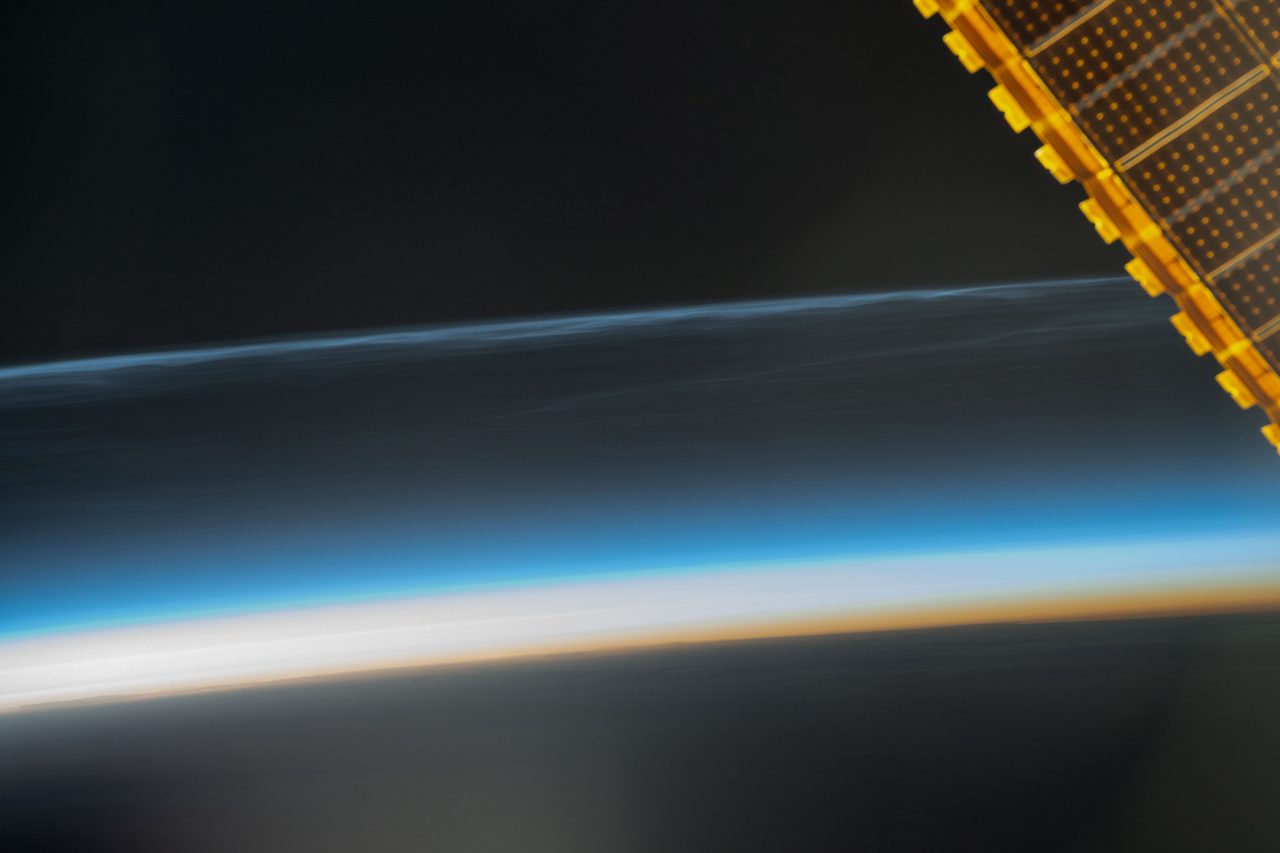
Orbital Period: Meaning, Formula and Satellite Examples
Orbital period measures how long one orbit takes. Discover why higher satellites orbit more slowly, how to calculate a period and why an orbit is not the same as a visible pass.
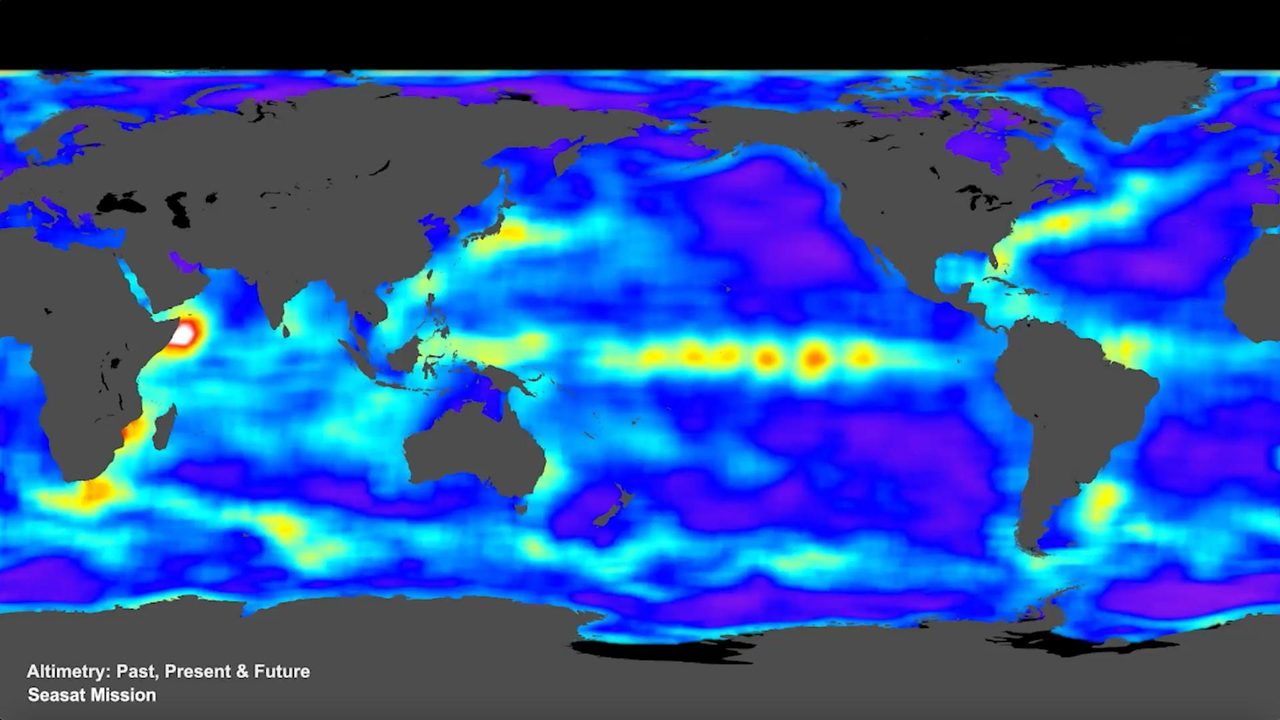
Envisat: ESA’s 8-tonne satellite and its collision risk
ESA lost contact with Envisat in April 2012. The large Earth-observation satellite remains in orbit, unable to avoid collisions, making it a significant long-term concern for space debris monitoring.
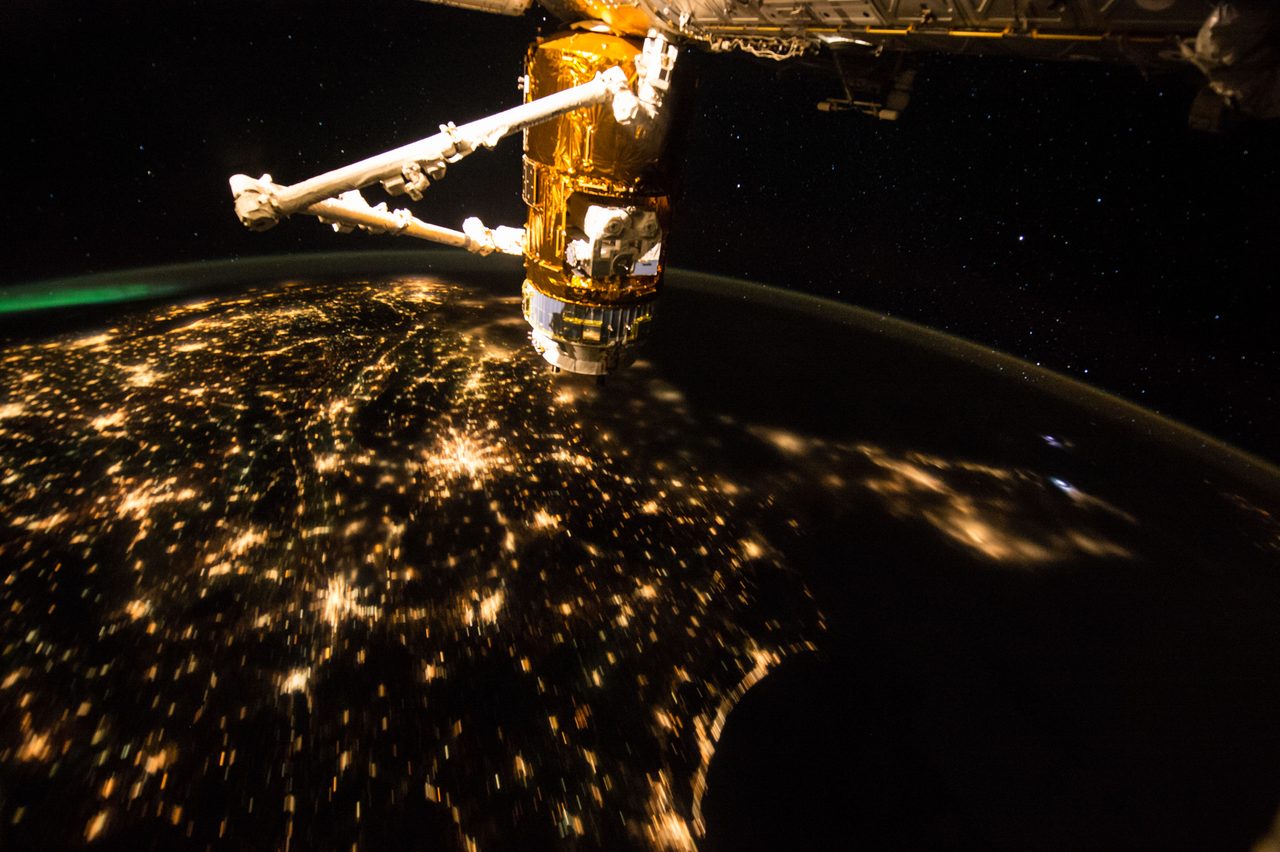
Why Does the ISS Need to Be Reboosted?
Thin air still slows the ISS near 400 km above Earth. Periodic engine burns replace lost orbital energy and keep the station at a useful operating altitude.