Space Sustainability: Ensuring the Future of Orbital Operations

Space sustainability involves managing the growing number of satellites and debris to ensure long-term usability of Earth's orbits.
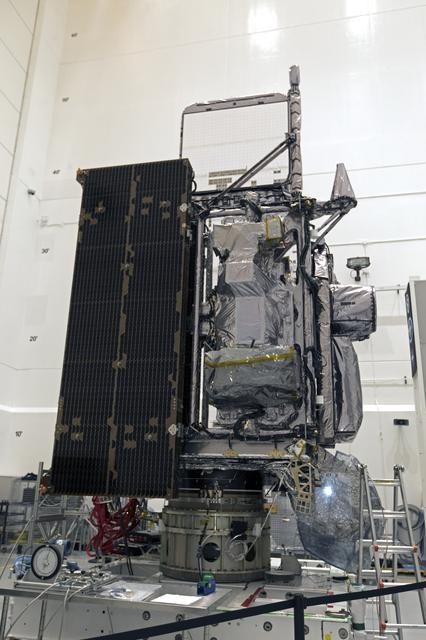
Space sustainability refers to the responsible use and management of space resources to ensure that future generations can continue to benefit from space activities. With 15,733 active satellites and a total of 31,428 catalogued objects, including debris, in orbit, maintaining a sustainable space environment is crucial. The estimated orbital mass is 15,800 tonnes, highlighting the need for effective debris management strategies.
What is Space Debris and Why Does It Matter?
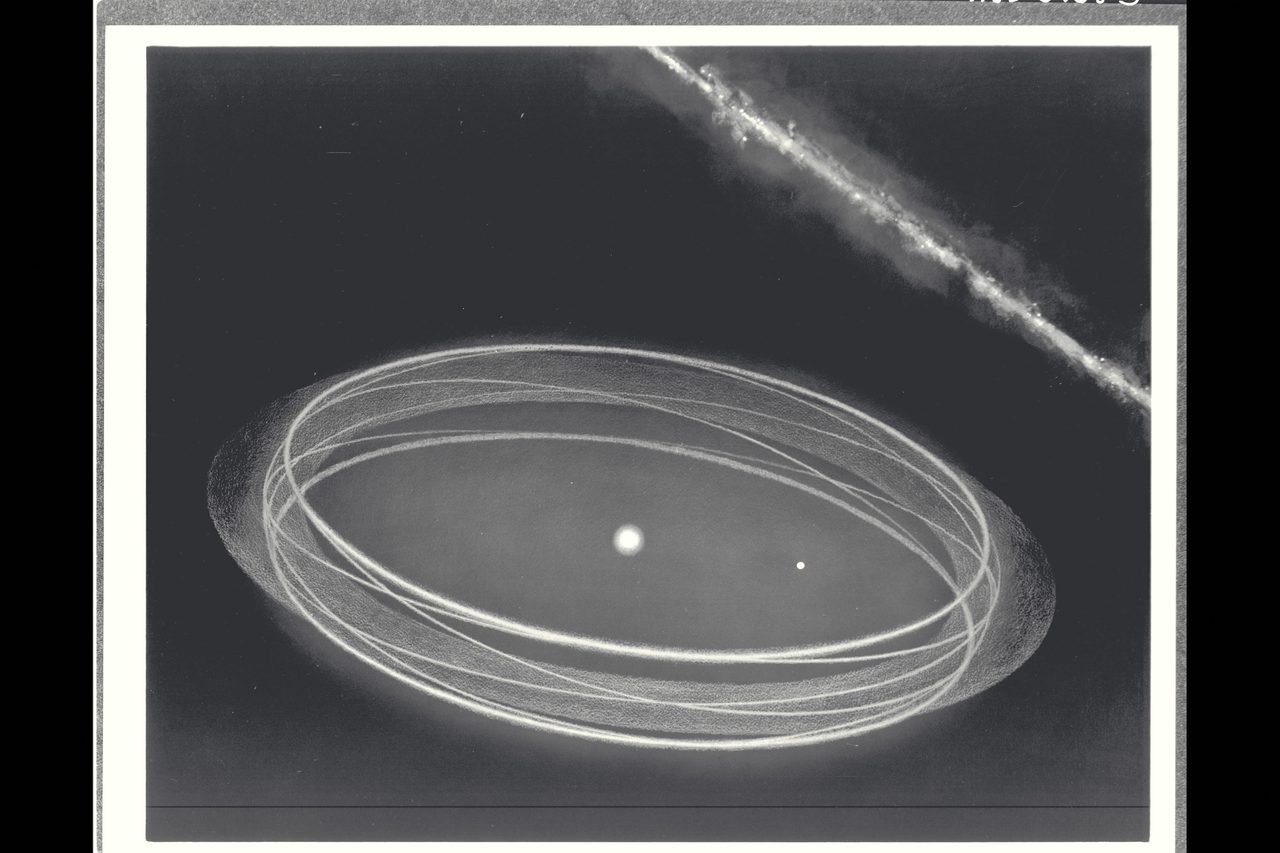
Space debris consists of defunct satellites, spent rocket stages, and fragments from collisions. These objects pose significant risks to operational satellites and the International Space Station (ISS). As of now, 22 active close approaches are being tracked, emphasising the ongoing threat. The Orbital Radar's debris tracking provides vital data for collision avoidance.
How is Space Traffic Managed?
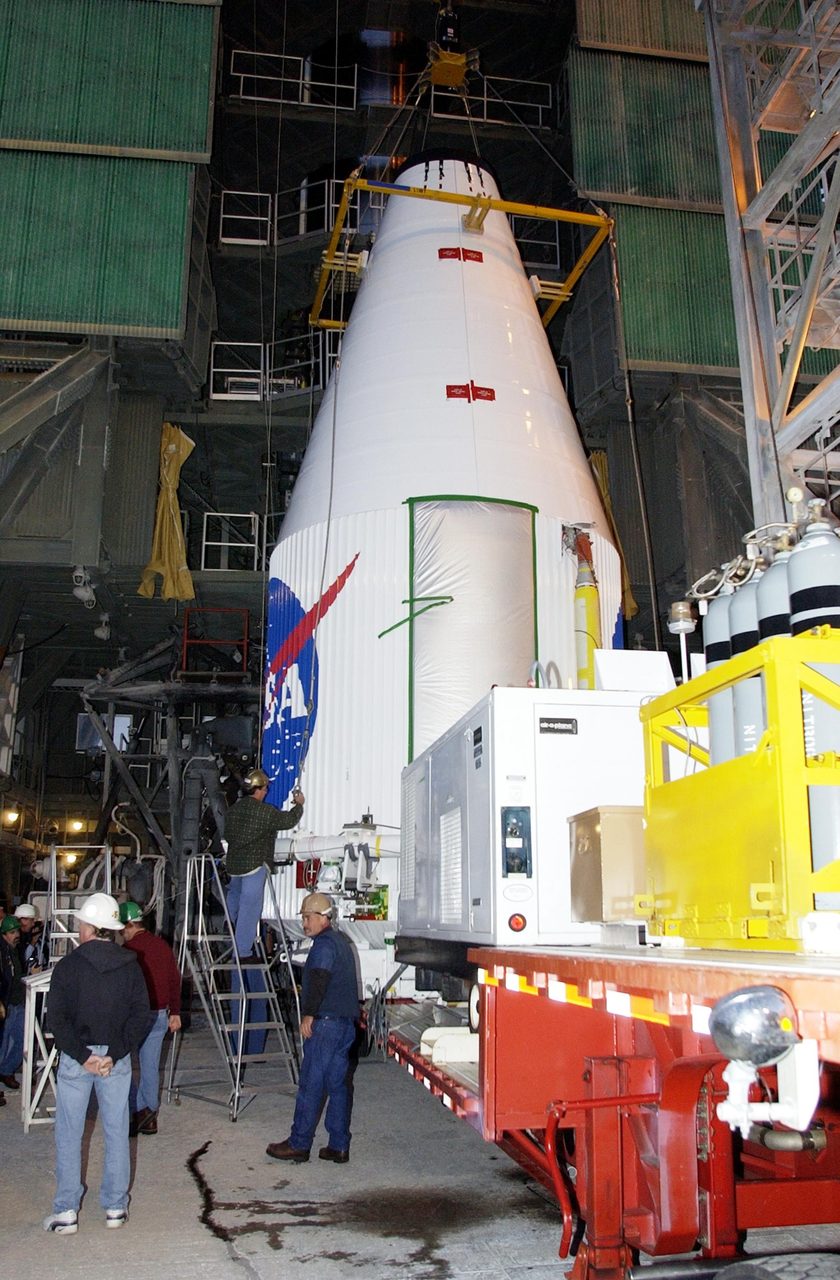
Space traffic management involves coordinating the movement of satellites to prevent collisions. With 9,835 active Starlink satellites alone, effective management is essential. Tools like the Orbital Radar's sustainability hub help monitor satellite positions and predict potential conflicts.
Active Debris Removal: A Key Solution
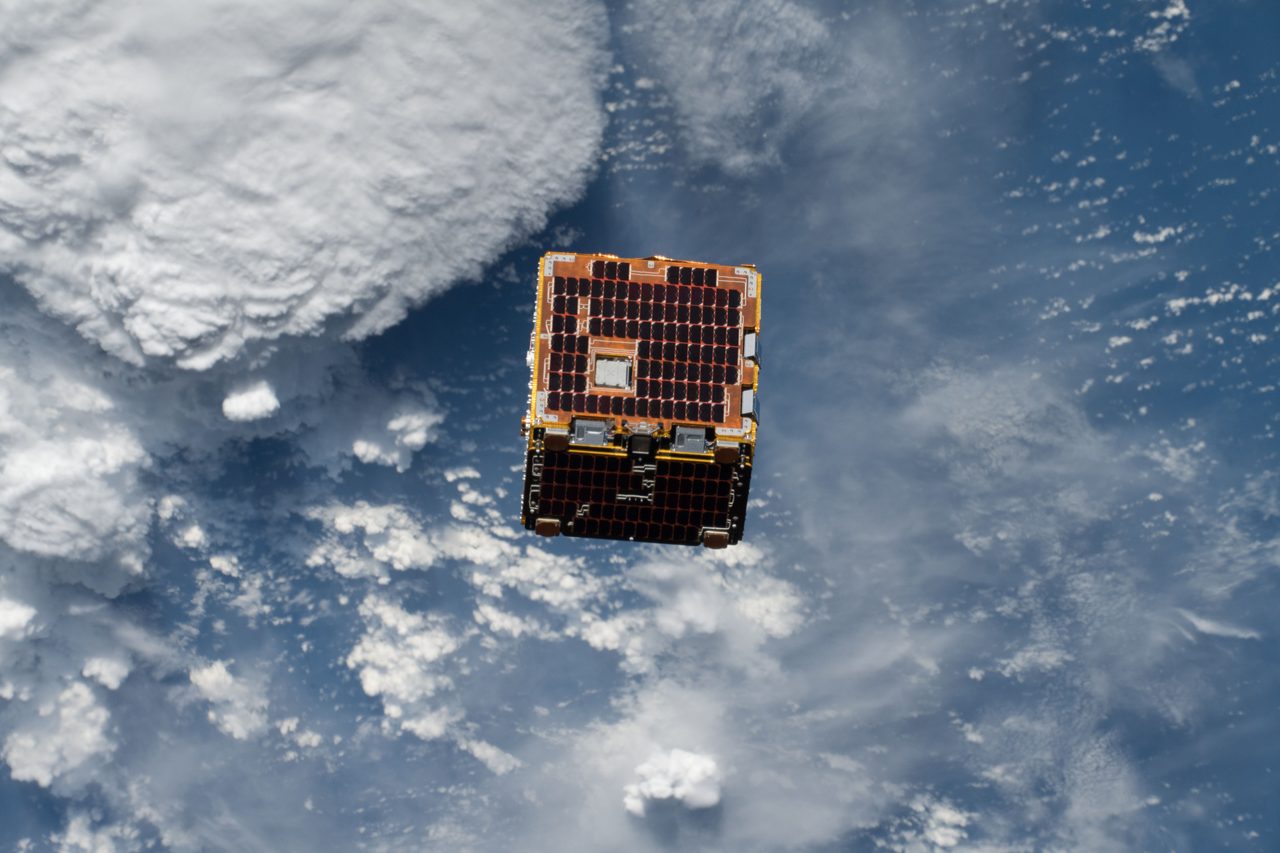
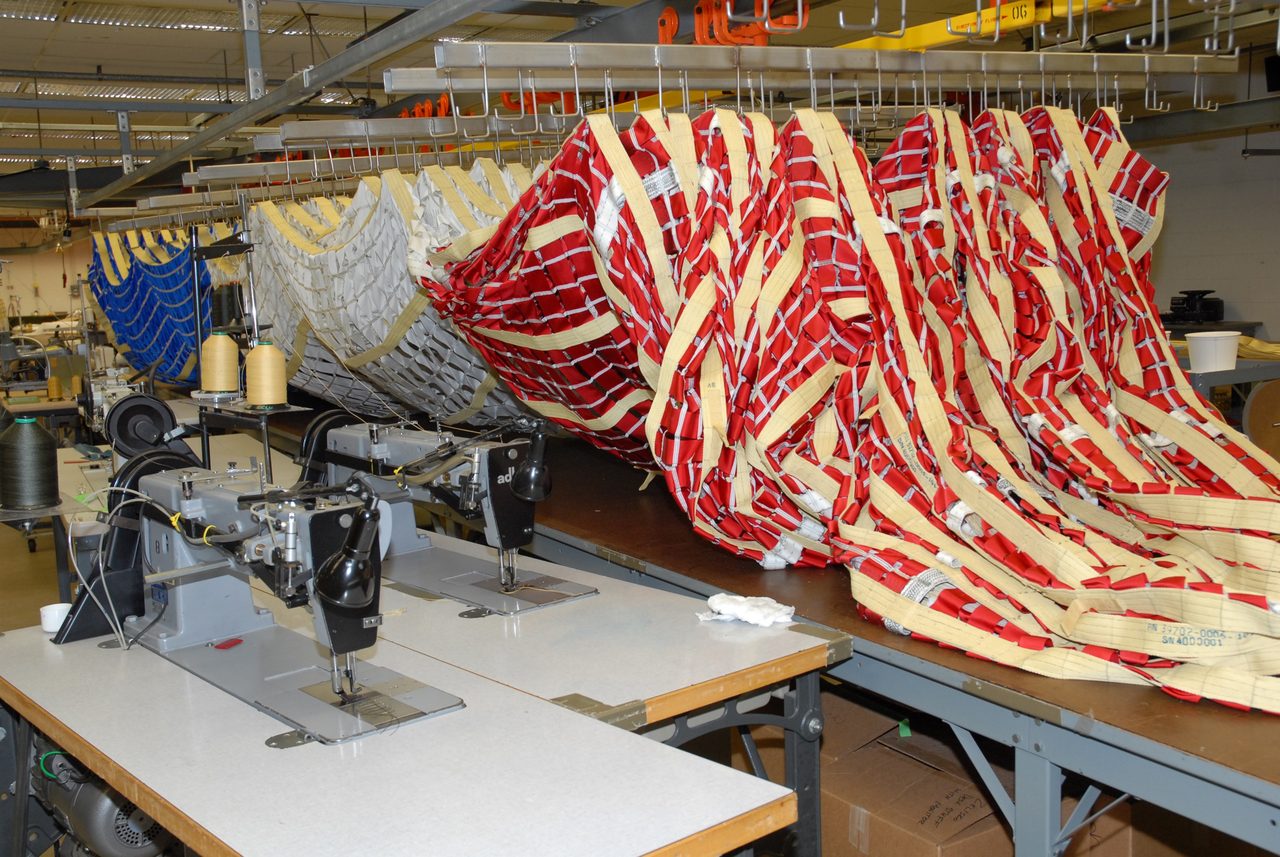
Active debris removal (ADR) involves capturing and deorbiting space debris. Techniques include using robotic arms or nets to capture debris. The Orbital Radar's ADR page provides insights into current and proposed technologies aimed at reducing orbital clutter.
The Role of International Policies and Agreements
International cooperation is crucial for space sustainability. Agreements like the Outer Space Treaty set the groundwork for responsible space activities. However, enforcement and compliance remain challenges. Collaborative efforts are needed to establish binding regulations for debris mitigation and satellite end-of-life disposal.
Key Takeaways
Space sustainability ensures the safe and efficient use of Earth's orbits. With 31,428 catalogued objects, including debris, effective management strategies are essential. Active debris removal and international cooperation play pivotal roles in maintaining a sustainable space environment.
Frequently Asked Questions
How many active satellites are currently in orbit?
What is the total mass of objects in Earth's orbit?
How does active debris removal work?
Why is space sustainability important?
What are the challenges in space traffic management?
📎 Cite this article
Orbital Radar Newsroom. (2026). Space Sustainability: Ensuring the Future of Orbital Operations. Orbital Radar. https://orbitalradar.com/blog/space-sustainability-explainer"Space Sustainability: Ensuring the Future of Orbital Operations." Orbital Radar, 14 June 2026, https://orbitalradar.com/blog/space-sustainability-explainer.@misc{orbitalradar_space_sustainability_explainer,
title = {Space Sustainability: Ensuring the Future of Orbital Operations},
author = {{Orbital Radar}},
year = {2026},
howpublished = {\url{https://orbitalradar.com/blog/space-sustainability-explainer}}
}