Space News Mission Log — Satellite Launches, Orbital Events & Analysis
Daily space news, satellite launch reports, orbital debris analysis and weekly roundups — grounded in live tracking data from our network monitoring 164 published reports.
Understanding Atmospheric Drag on Satellites: A Detailed Guide
Atmospheric drag is a key factor affecting satellites in low Earth orbit, influencing their speed and altitude over time.

NASA Concludes MAVEN Mission, Discovers Atmospheric Phenomenon
NASA concludes MAVEN mission, revealing a new atmospheric phenomenon on Mars. ISS crew takes shelter due to a Russian segment air leak.
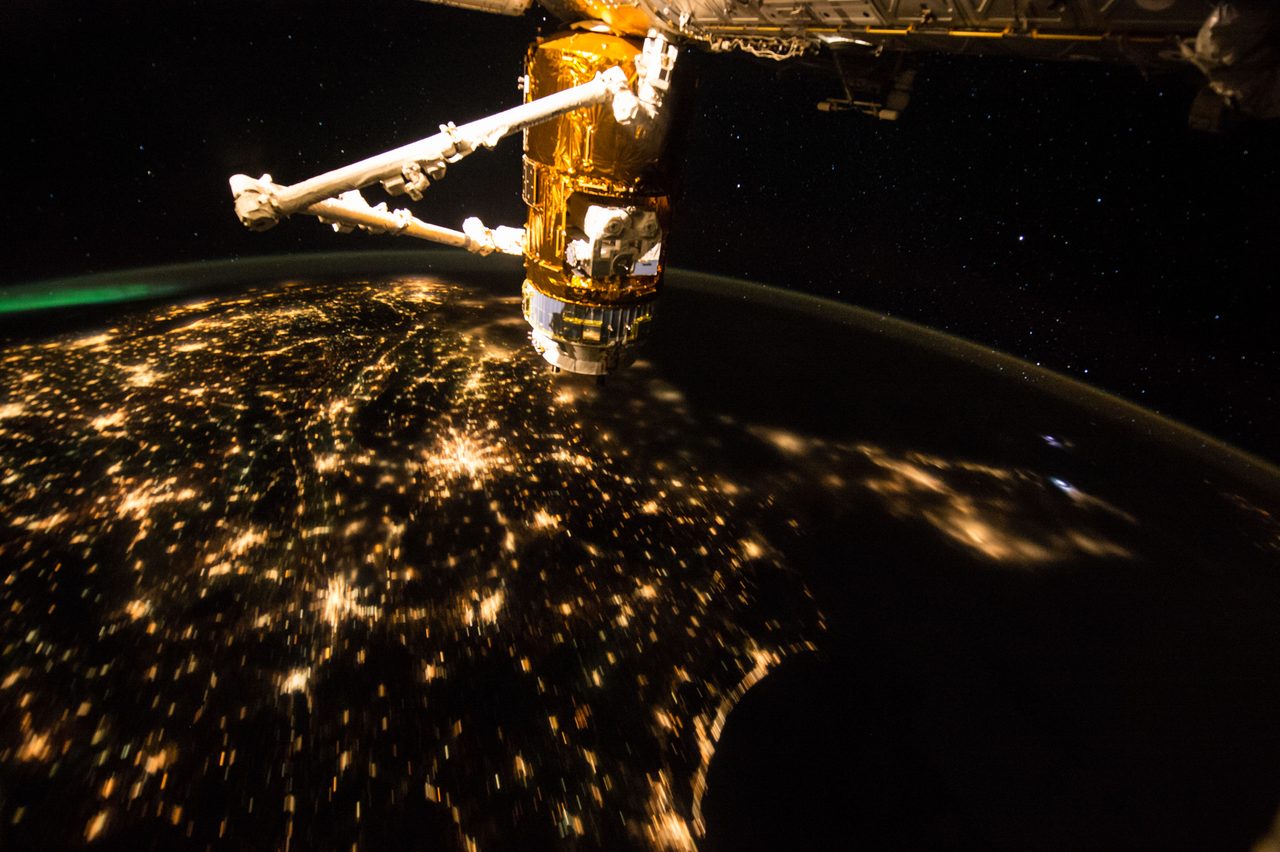
Why Does the ISS Need to Be Reboosted?
Thin air still slows the ISS near 400 km above Earth. Periodic engine burns replace lost orbital energy and keep the station at a useful operating altitude.
Nature's Prism: The Science Behind Mountain Shadows and Rainbows
A captivating image from Smith Peak captures the interplay of a rainbow and mountain shadow, illustrating the science of light refraction and perspective.
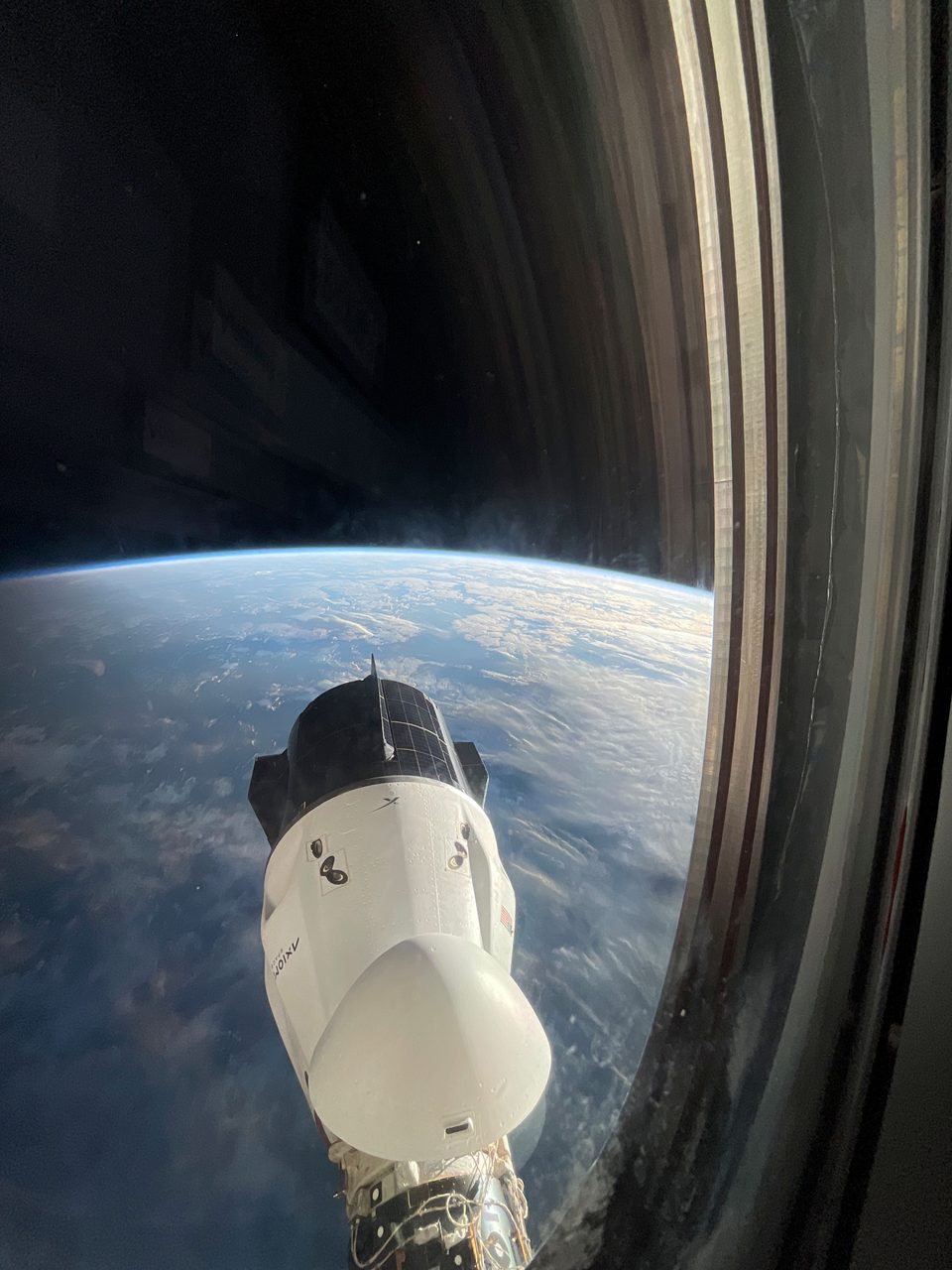
How Do Astronauts Get Back to Earth?
Astronauts return in spacecraft that slow down, survive atmospheric heating and land under parachutes. The journey ends with an ocean splashdown or a touchdown on land.
How Many Satellites Reentered This Year? 2026 by the Numbers
Orbital Radar records 673 satellite and payload re-entries in 2026 so far, within 1,119 atmospheric returns across all object types.
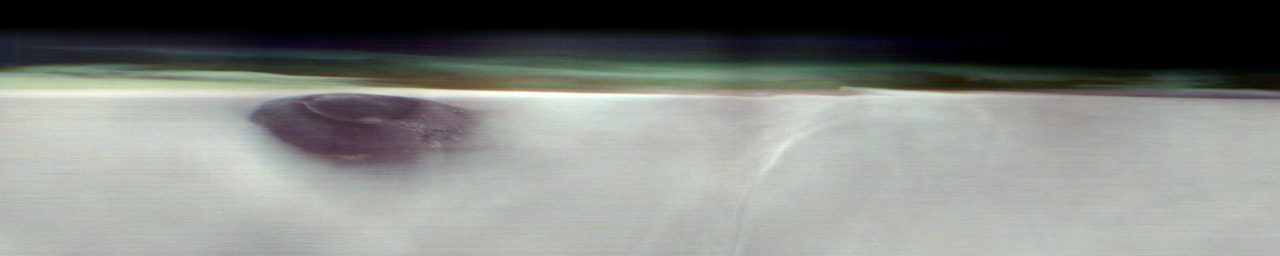
Why Is Landing on Mars So Hard?
Mars has enough atmosphere to threaten an arriving spacecraft, but not enough to land it safely with a parachute alone. Every landing must solve both problems autonomously.
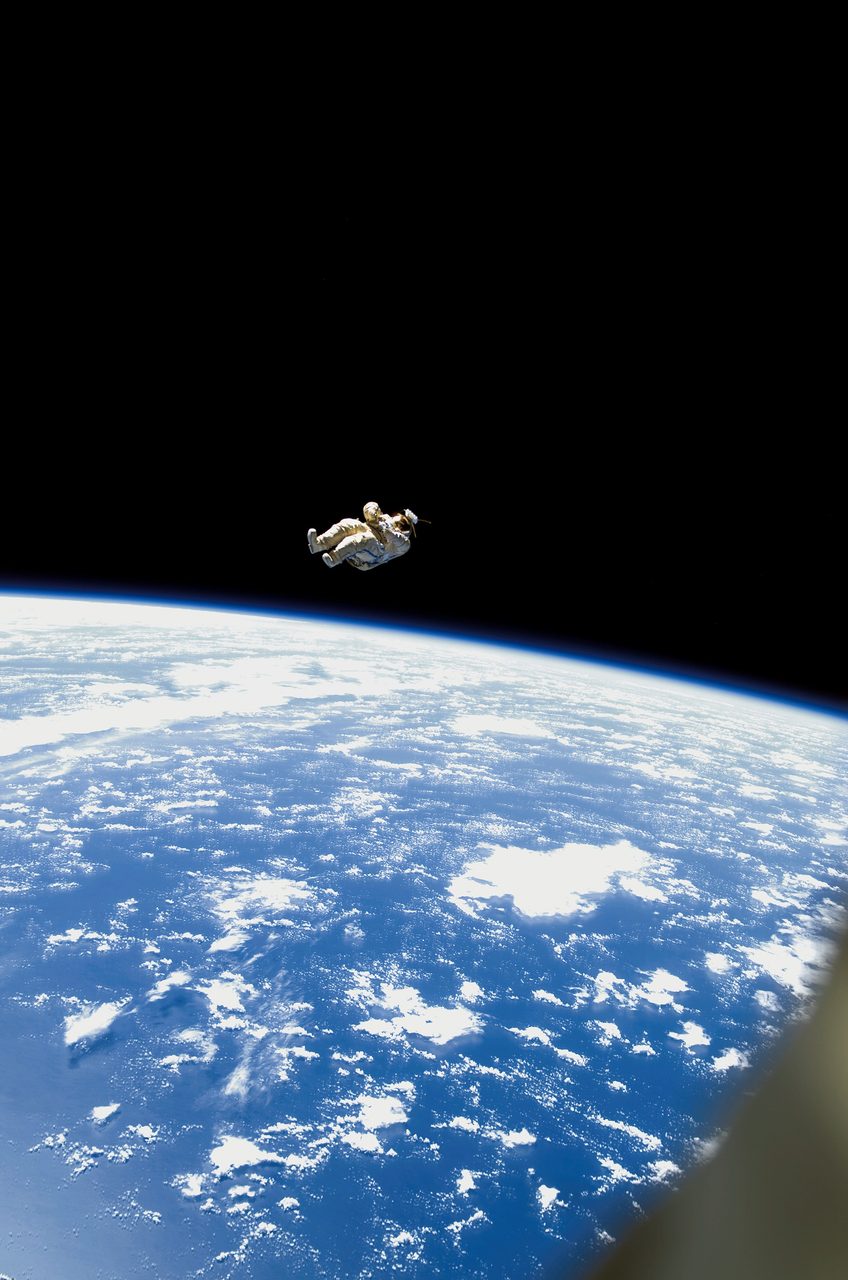
How Many Starlink Satellites Fall Each Day?
1.5 Starlink satellites re-enter Earth's atmosphere each day, according to Orbital Radar data. Explore the reasons behind these controlled re-entries.
Unveiling the Mysteries of a Fire Rainbow Over West Virginia
Explore the captivating fire rainbow over West Virginia, a rare atmospheric phenomenon caused by ice crystals in cirrus clouds refracting sunlight.
Golden Corona: The Science Behind Spain's Unique Eclipse
A rare golden solar corona was observed during a total eclipse in Spain, offering insights into atmospheric effects and solar phenomena.
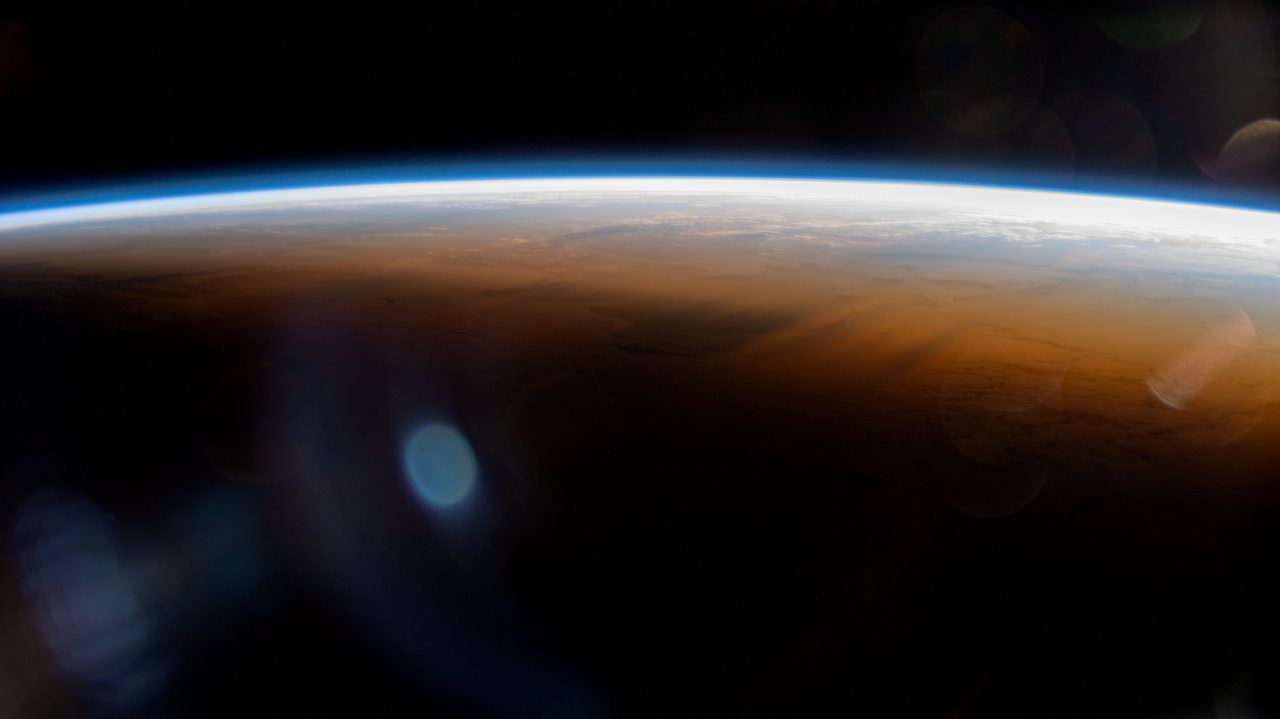
Sputnik 1: the satellite that started the Space Age
Launched on 4 October 1957, Sputnik 1 became Earth's first artificial satellite. Its radio pulses announced a new technological era, while its brief mission helped scientists investigate the upper atmosphere.
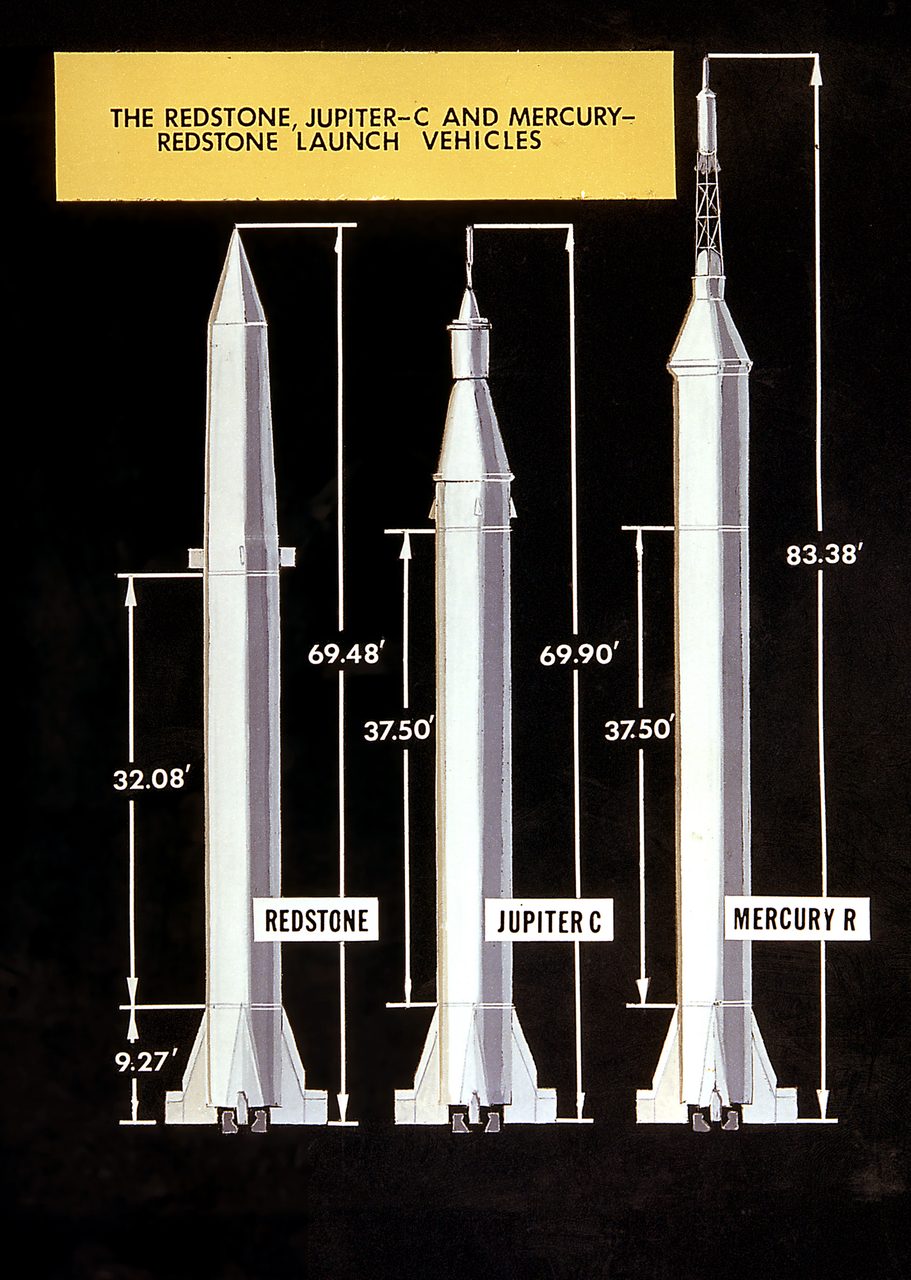
Understanding Satellite Re-entry: What Happens When Spacecraft Return to Earth
Satellite re-entry involves a spacecraft descending through Earth's atmosphere, often burning up due to intense heat and friction.