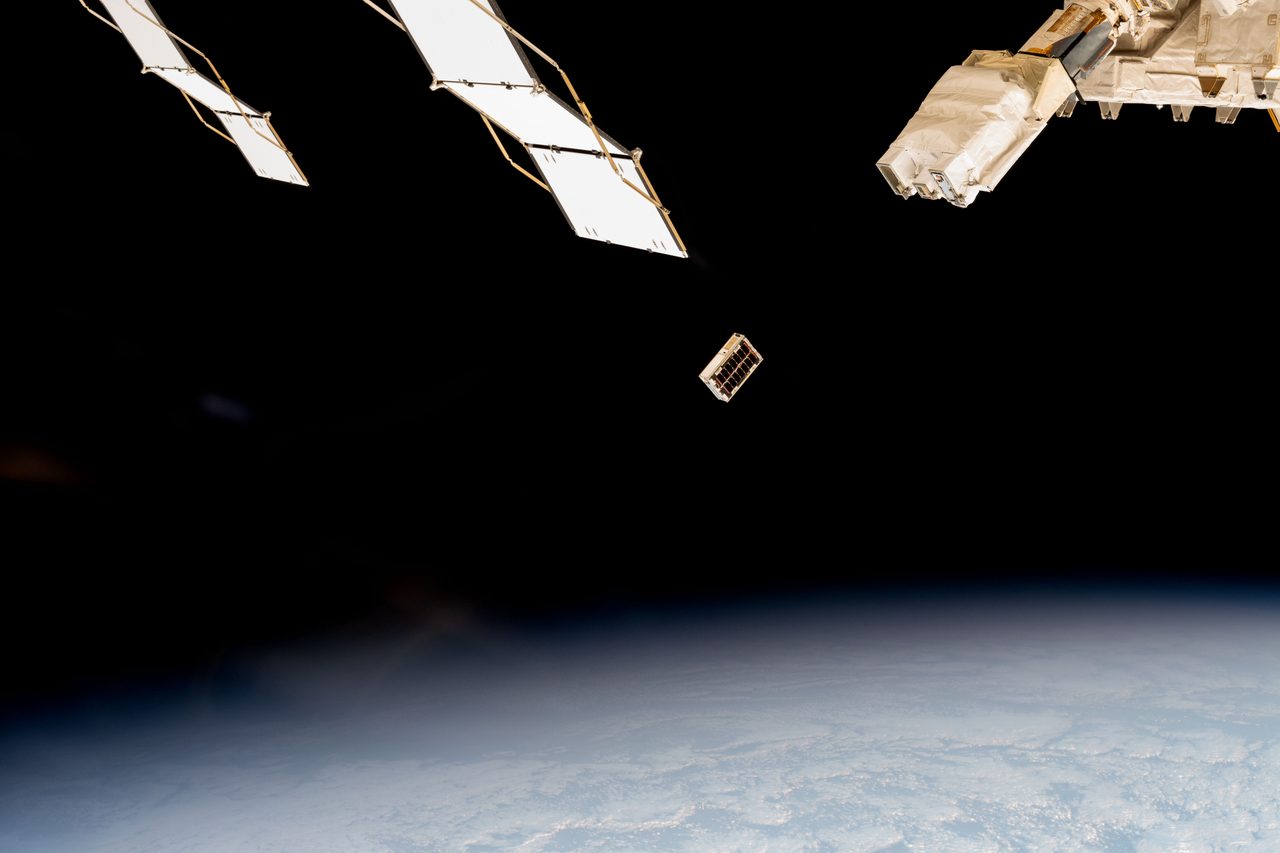
Understanding Satellite Re-entry: What Happens When Spacecraft Return to Earth
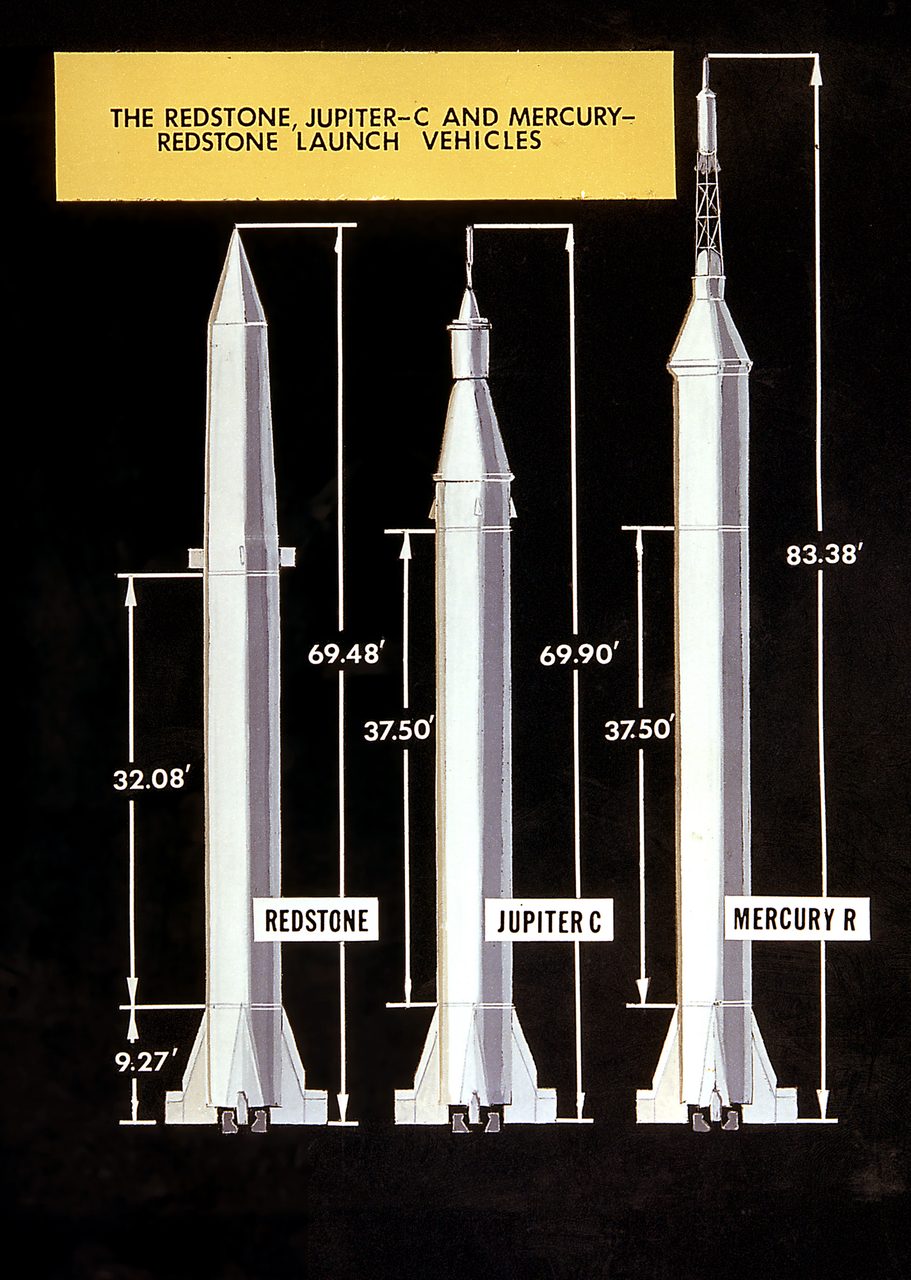
Satellite re-entry involves a spacecraft descending through Earth's atmosphere, often burning up due to intense heat and friction.
Satellite re-entry refers to the process by which a satellite or spacecraft descends back into Earth's atmosphere. This event typically results in the satellite burning up due to the intense heat generated by friction with atmospheric particles. With over 18,045 active satellites currently in orbit, understanding re-entry is crucial for managing space debris and ensuring safety.
How Does Satellite Re-entry Work?
When a satellite's orbit decays, it begins to descend towards Earth. This descent is accelerated by gravitational forces and atmospheric drag. As the satellite enters denser layers of the atmosphere, the friction generates immense heat, often causing the satellite to disintegrate. The process is carefully monitored using tools like the re-entry tracker to predict when and where re-entry will occur.
Why Does Satellite Re-entry Matter?
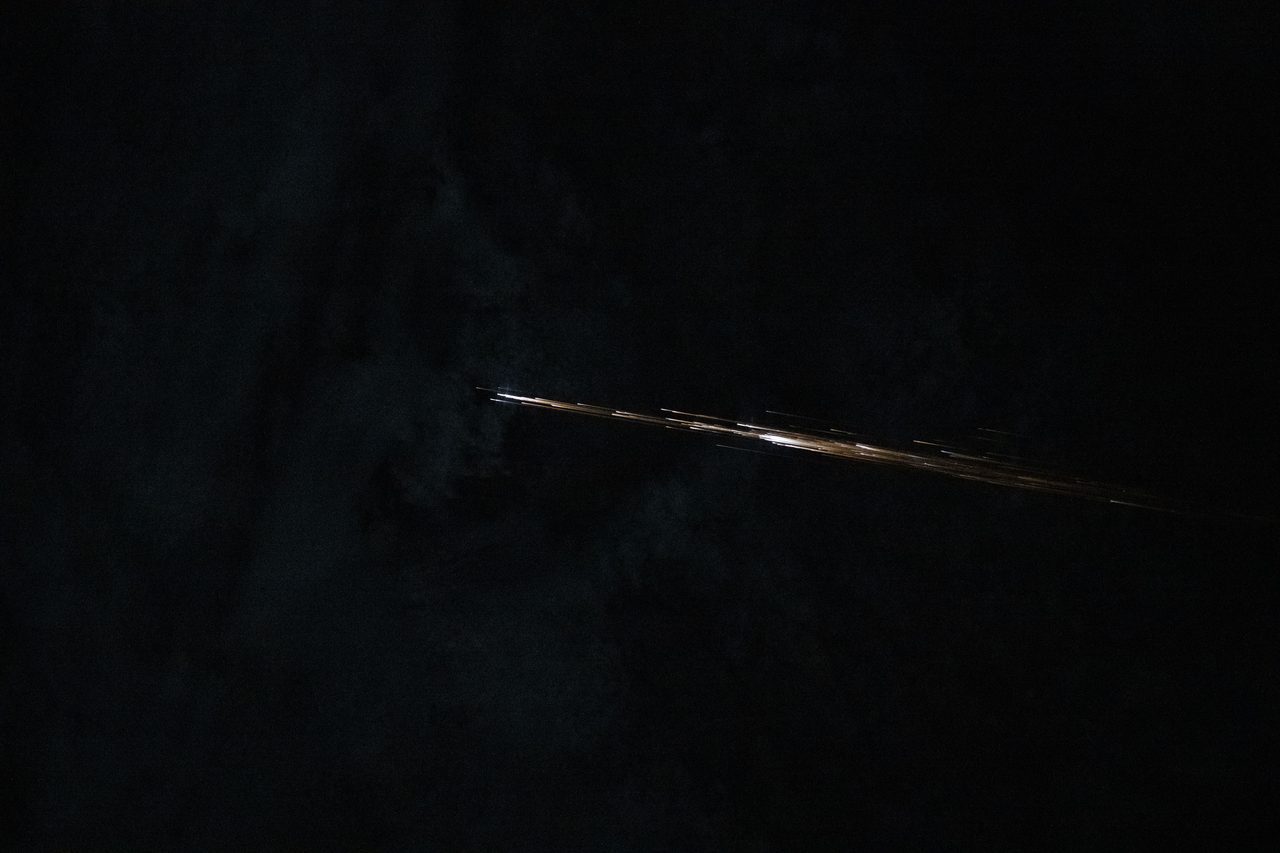
Satellite re-entry is significant for several reasons. Firstly, it helps manage the growing problem of space debris, which consists of over 29,433 tracked objects, including 8,888 pieces of debris. Secondly, controlled re-entries are essential for ensuring that large pieces of debris do not pose a risk to populated areas. Lastly, understanding re-entry dynamics is crucial for the safe return of crewed spacecraft.
Controlled vs Uncontrolled Re-entry

Controlled re-entry involves guiding a satellite to a specific location, typically over an ocean, to minimise risk. This is often used for large satellites or space stations. In contrast, uncontrolled re-entry occurs when a satellite's orbit decays naturally, with its re-entry location being less predictable. Approximately 50 re-entries are predicted this month, highlighting the importance of tracking these events.
Tracking Satellite Re-entry
Tracking satellite re-entry is vital for public safety and space operations. Organisations use radar and satellite tracking systems to predict re-entry paths. The satellite re-entry tracker provides real-time data on upcoming re-entries, helping to mitigate potential risks. Currently, 20 active close approaches are being monitored, underscoring the dynamic nature of space traffic management.
The Impact of Re-entry on Earth's Environment
While most satellites burn up upon re-entry, some fragments can reach the Earth's surface. These remnants, often made of heat-resistant materials, pose minimal risk to the environment due to their small size. However, the cumulative effect of frequent re-entries could contribute to atmospheric pollution. Ongoing research aims to better understand and mitigate these impacts.
Key Takeaways
Satellite re-entry is a complex process involving the descent of spacecraft through Earth's atmosphere, often resulting in disintegration. With a growing number of satellites, managing re-entry is crucial for reducing space debris and ensuring safety. Tools like the Orbital Radar Academy provide valuable insights into the science and implications of re-entry.
Frequently Asked Questions
What happens during satellite re-entry?
How is satellite re-entry tracked?
What is the difference between controlled and uncontrolled re-entry?
Why is satellite re-entry important?
Can satellite debris reach the Earth's surface?
📎 Cite this article
Orbital Radar Newsroom. (2026). Understanding Satellite Re-entry: What Happens When Spacecraft Return to Earth. Orbital Radar. https://orbitalradar.com/blog/satellite-reentry-explained"Understanding Satellite Re-entry: What Happens When Spacecraft Return to Earth." Orbital Radar, 23 May 2026, https://orbitalradar.com/blog/satellite-reentry-explained.@misc{orbitalradar_satellite_reentry_explained,
title = {Understanding Satellite Re-entry: What Happens When Spacecraft Return to Earth},
author = {{Orbital Radar}},
year = {2026},
howpublished = {\url{https://orbitalradar.com/blog/satellite-reentry-explained}}
}