Space News Mission Log — Satellite Launches, Orbital Events & Analysis
Daily space news, satellite launch reports, orbital debris analysis and weekly roundups — grounded in live tracking data from our network monitoring 33 published reports.
Medium Earth Orbit: Understanding Its Role in Satellite Operations
Medium Earth Orbit (MEO) is a region of space where satellites orbit at altitudes between 2,000 and 35,786 km, crucial for navigation and communications.

Understanding Satellite Orbits: LEO, MEO, GEO and Beyond
Satellite orbits, including LEO, MEO, and GEO, define how satellites move and function in space. Each orbit serves unique purposes.

Geostationary Orbit: How Satellites Hover Over One Spot
Geostationary orbit allows satellites to remain fixed over a single Earth location, crucial for communications and weather monitoring.

Understanding Apogee and Perigee in Satellite Orbits
Apogee and perigee refer to the highest and lowest points in an orbit, crucial for understanding satellite paths and operations.

What Is That Moving Light in the Night Sky? Explained
Moving lights in the night sky are often satellites or space debris. Learn how to identify them and understand their movement.
What Satellite Is Above Me Right Now? A Comprehensive Guide
Find out which satellite is currently above you by using real-time tracking tools. Understand satellite types, orbits, and how to observe them.
Orbital Mechanics Explained: How Satellites Stay in Orbit
Orbital mechanics govern how satellites remain in orbit, balancing gravitational forces and velocity to maintain stable paths.

How Satellite Internet Works: A Comprehensive Guide
Satellite internet connects remote areas by transmitting data between ground stations and satellites in orbit, such as Starlink's network.

Military Satellites: Understanding Their Role and Impact
Military satellites are crucial for defence, providing communication, surveillance, and navigation capabilities. Learn how they function and their strategic importance.
BeiDou-3: China's Global Navigation System
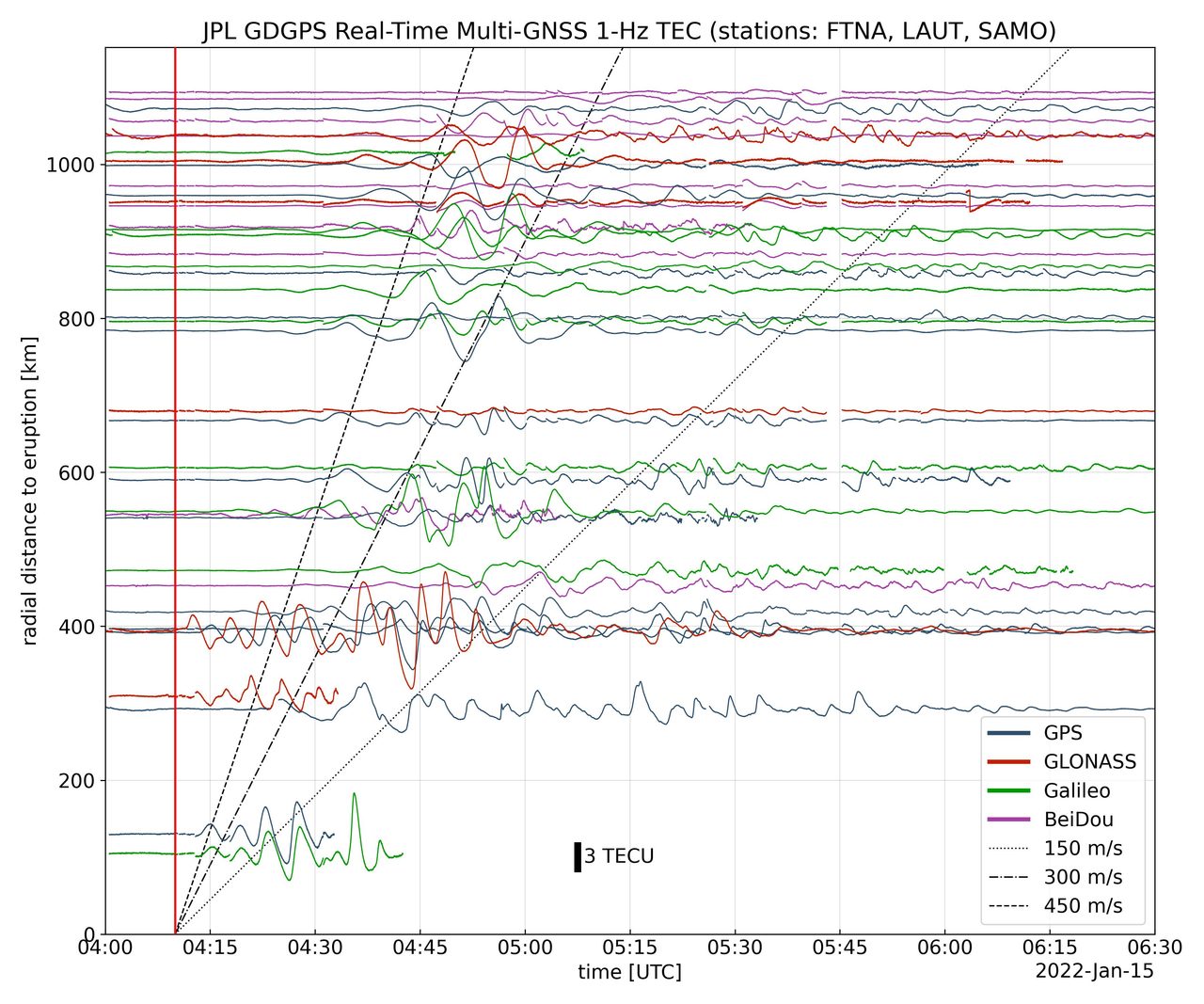
BeiDou-3 is the third generation of China's BeiDou Navigation Satellite System (BDS), which provides global navigation services. Officially completed in 2020, BeiDou-3 marks China's full entry into the global navigation satellite systems (GNSS) arena, alongside GPS (United States), GLONASS (Russia),

Satellite Spotlight: GPS IIR-11 — The Backbone of Global Navigation
GPS IIR-11 is part of the Global Positioning System (GPS), a network of satellites that provides geolocation and time information to a GPS receiver anywhere on or near the Earth. Launched on 31 March 2003, GPS IIR-11 is one of the Block IIR satellites, which are the second generation of GPS satellit

Vanguard 1: The Oldest Satellite Still in Orbit
Launched on 17 March 1958, Vanguard 1 is the oldest artificial satellite still in orbit. Developed by the United States as part of the Vanguard Project, it was the fourth artificial Earth satellite to be successfully launched.