Space News Mission Log — Satellite Launches, Orbital Events & Analysis
Daily space news, satellite launch reports, orbital debris analysis and weekly roundups — grounded in live tracking data from our network monitoring 86 published reports.
Orbital Mechanics Explained: How Satellites Stay in Orbit
Orbital mechanics govern how satellites remain in orbit, balancing gravitational forces and velocity to maintain stable paths.
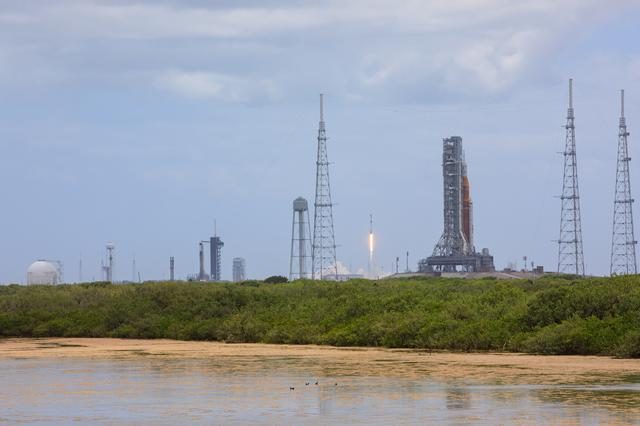
Understanding Starlink: Architecture, Coverage & Orbital Mechanics
Starlink operates through a constellation of over 10,000 satellites, providing global internet coverage via low Earth orbit.
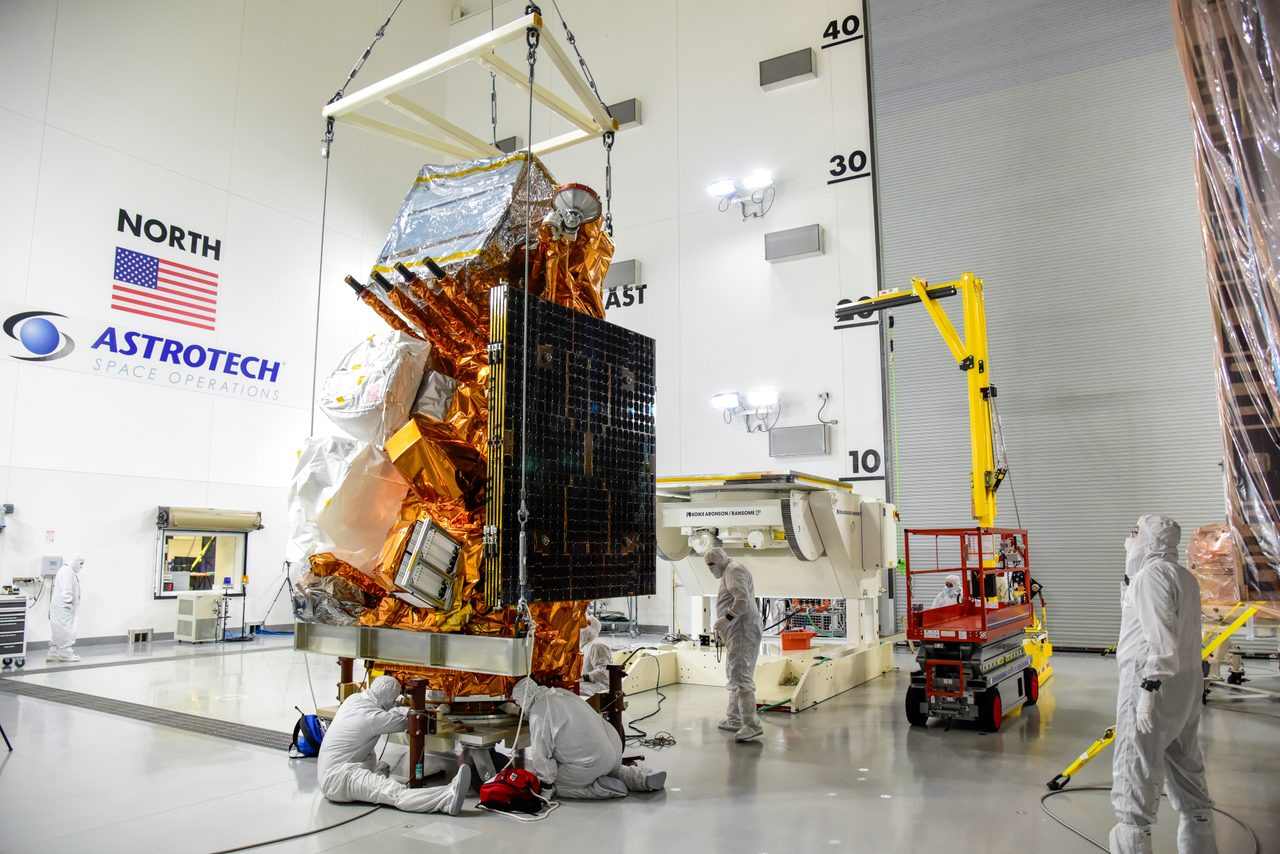
Highly Elliptical Orbits: Understanding Their Role in Space
Highly elliptical orbits (HEOs) are elongated paths used for specific satellite missions, offering unique advantages for communication and observation.
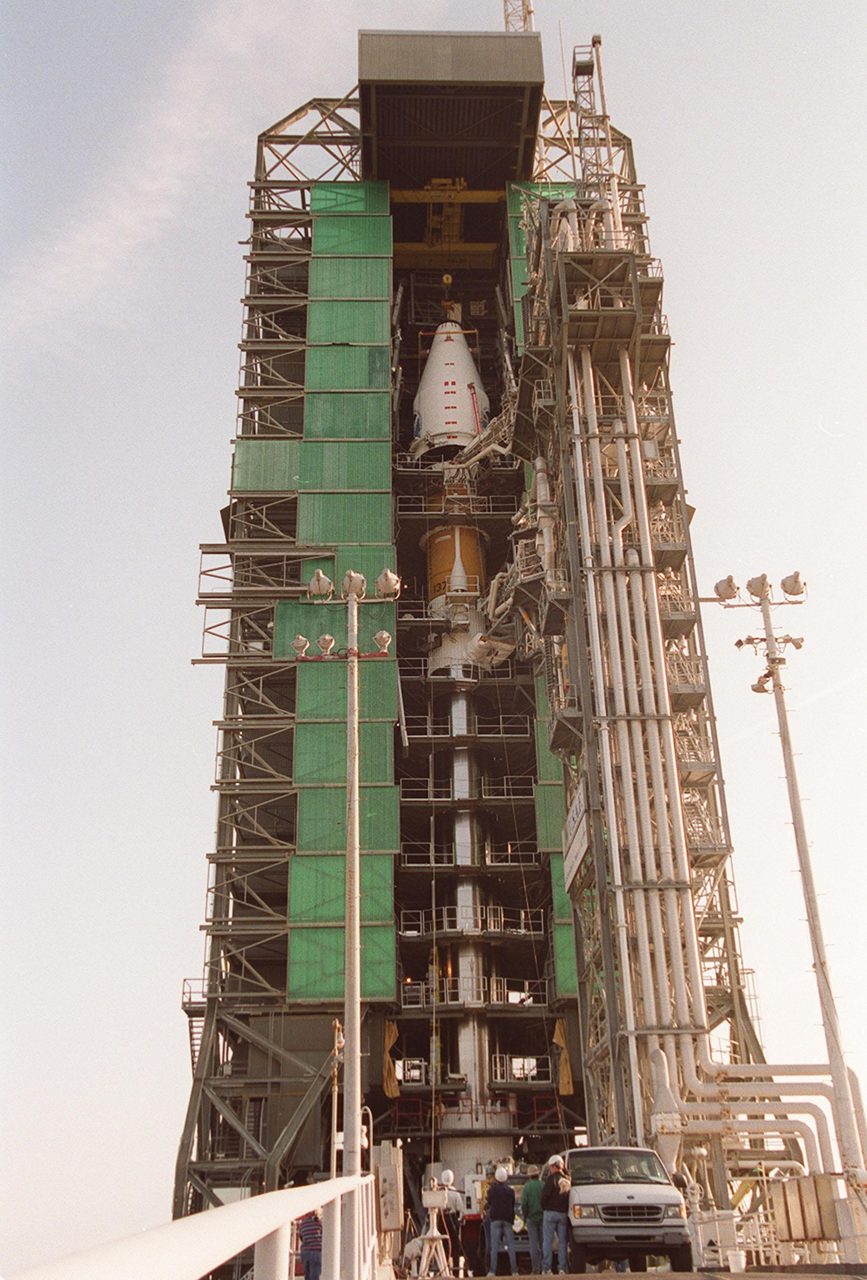
Hohmann Transfer Orbits: The Most Efficient Path in Space
A Hohmann transfer orbit is the most fuel-efficient path for moving a spacecraft between two orbits, using two engine burns.

Medium Earth Orbit: Understanding Its Role in Satellite Operations
Medium Earth Orbit (MEO) is a region of space where satellites orbit at altitudes between 2,000 and 35,786 km, crucial for navigation and communications.
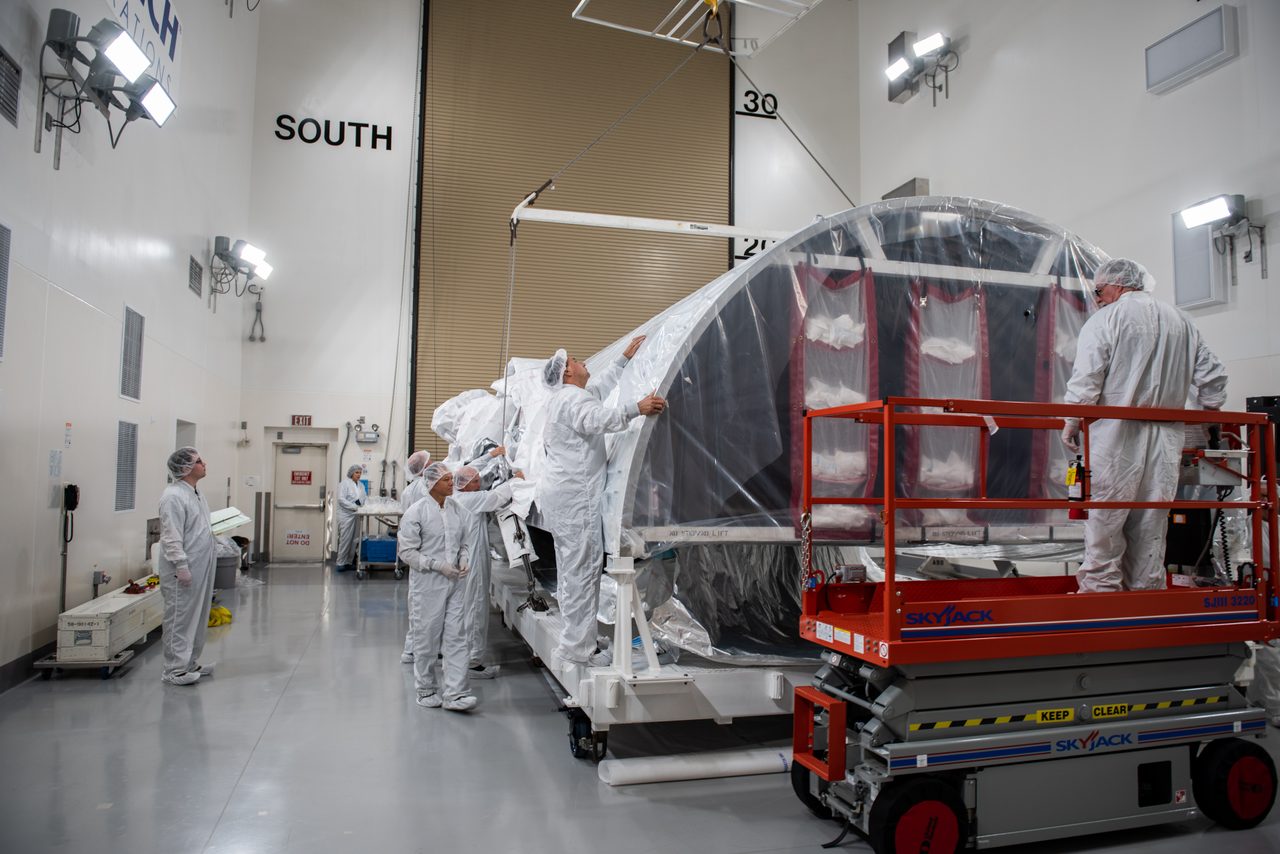
Understanding Polar Orbits: Key Facts and Uses
Polar orbits pass over the Earth's poles, allowing satellites to scan the entire surface. They are crucial for Earth observation missions.

Understanding Orbital Period: Key Concepts and Calculations
The orbital period is the time a celestial object takes to complete one orbit around another object. Learn its significance and calculation.
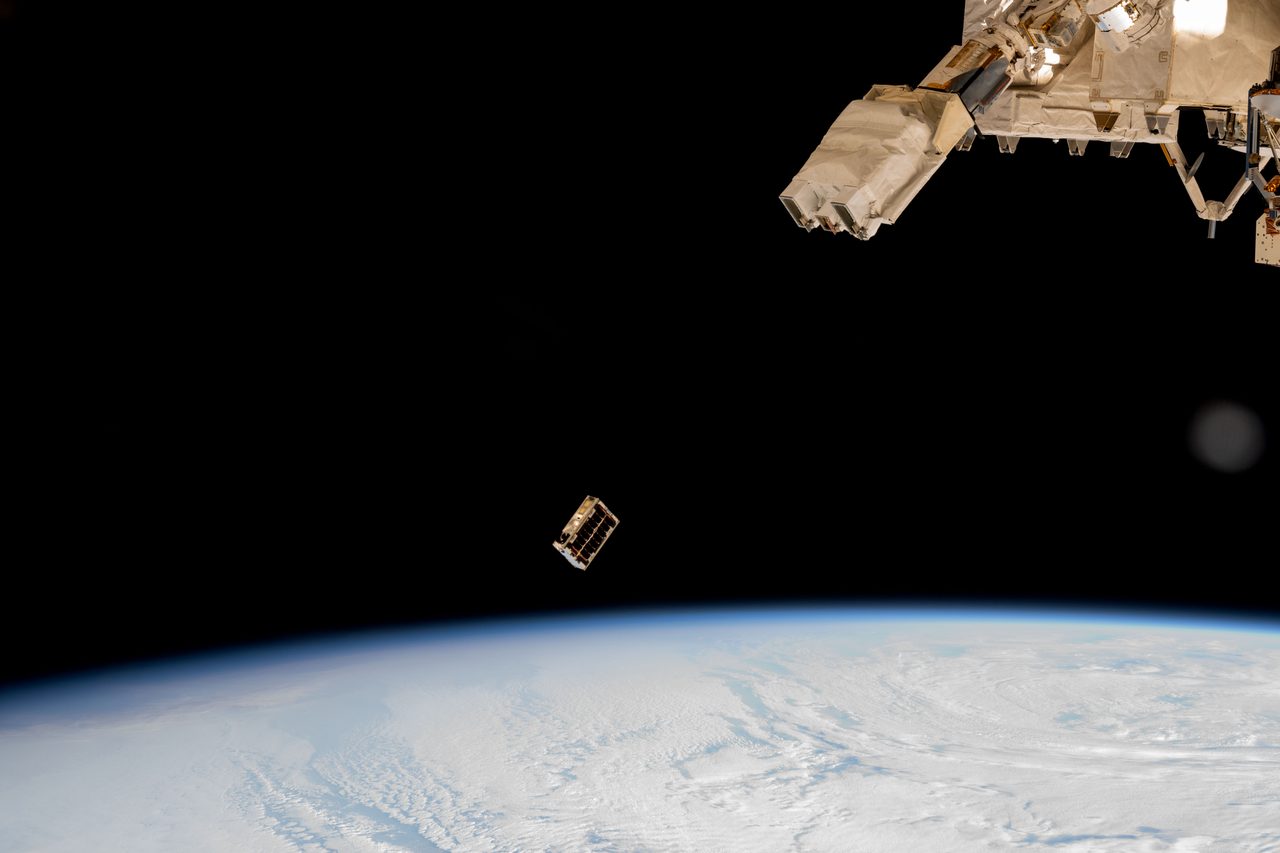
Understanding Mean Motion in Satellite Orbits
Mean motion describes the average angular speed of a satellite in its orbit, crucial for predicting satellite positions.

How Spacecraft Dock with the International Space Station
Spacecraft docking with the ISS involves precise orbital mechanics and advanced technology to ensure a safe and successful connection.

Geostationary Orbit: How Satellites Hover Over One Spot
Geostationary orbit allows satellites to remain fixed over a single Earth location, crucial for communications and weather monitoring.
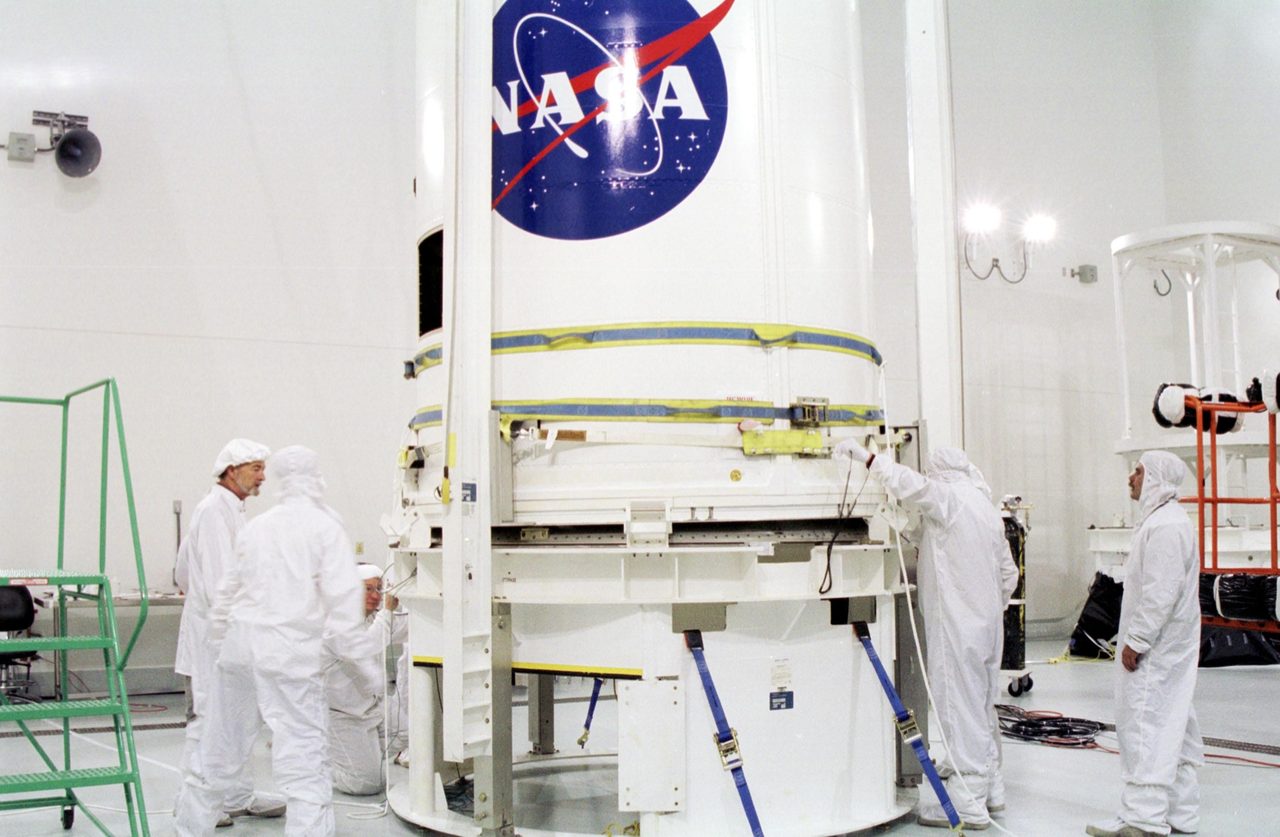
Understanding Sun-Synchronous Orbits: Consistent Sunlight for Satellites
A sun-synchronous orbit allows satellites to maintain consistent sunlight exposure, crucial for imaging and Earth observation tasks.

Graveyard Orbits: The Final Resting Place for Satellites
Graveyard orbits are designated areas where decommissioned satellites are moved to prevent space debris and ensure safer operations.