Auroras from Above: A Celestial Dance Viewed from Space
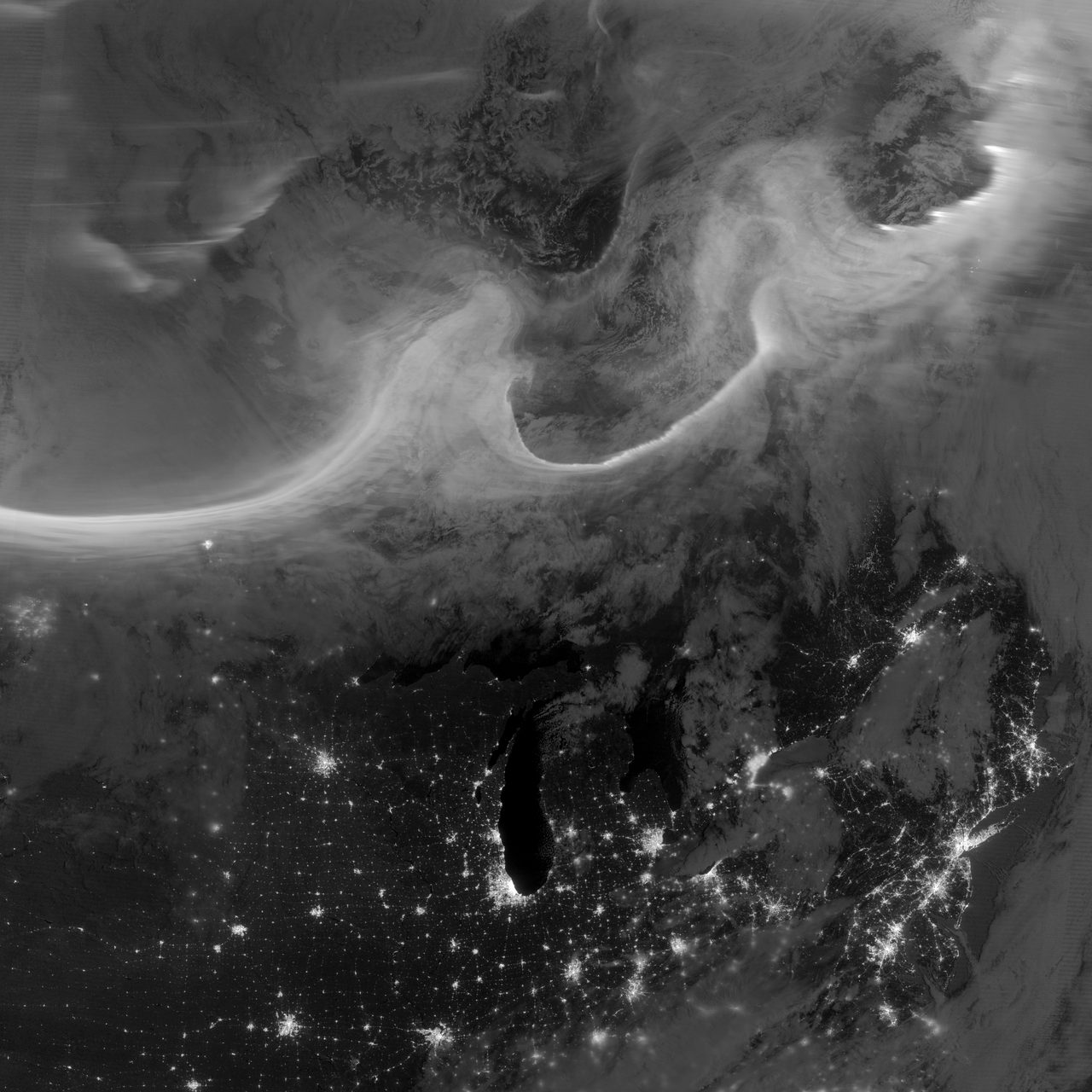
Explore the captivating view of auroras from the International Space Station, captured by astronaut Sophie Adenot. Learn about the science behind these luminous displays.
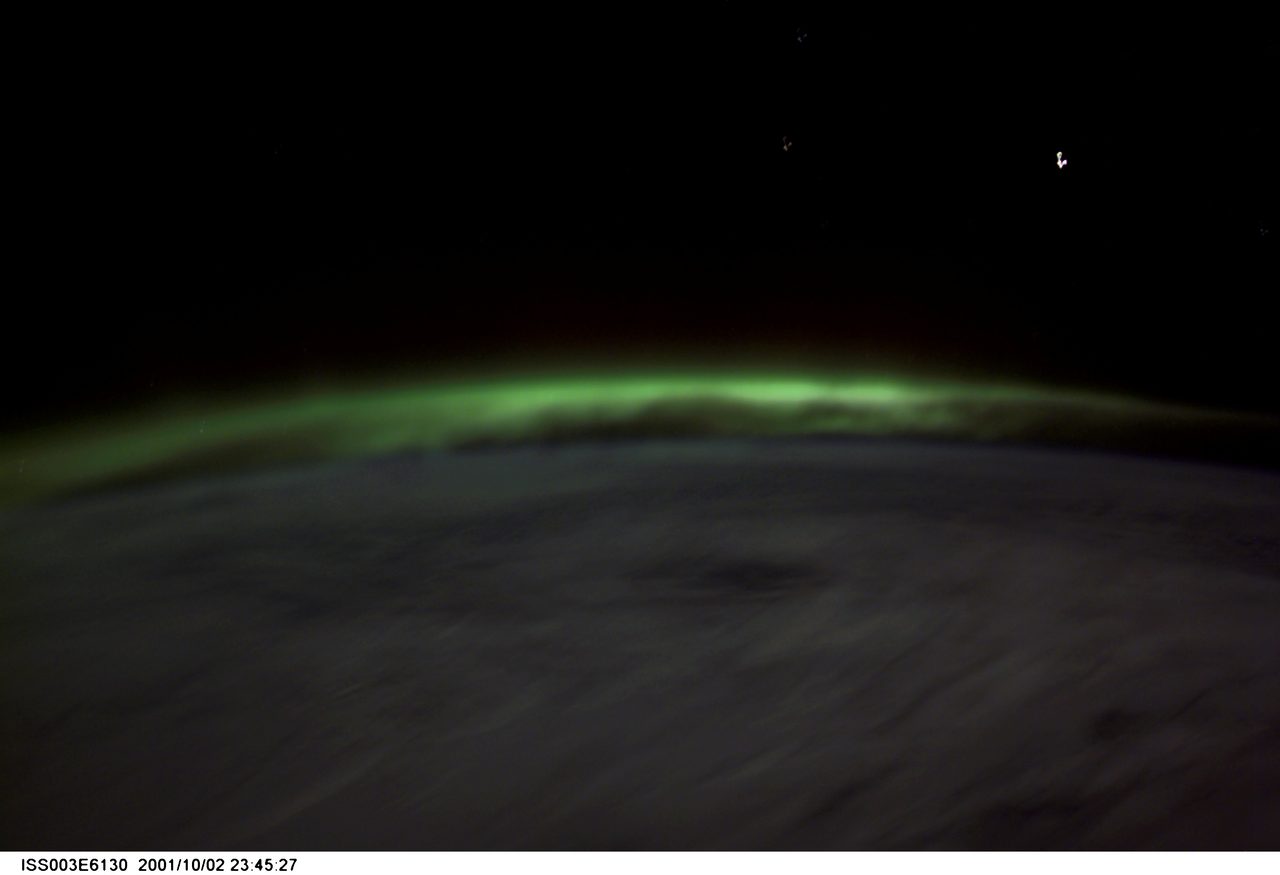
Auroras, the luminous displays often seen near polar regions, are caused by charged particles from the Sun interacting with Earth's magnetic field. From the ground, these displays appear as dynamic curtains of light, but from space, they offer a different perspective. The International Space Station (ISS), orbiting Earth every 90 minutes, occasionally captures these phenomena from above, providing a unique vantage point. Recently, French astronaut Sophie Adenot, part of the ISS Expedition 74 crew, recorded a time-lapse video showcasing these auroras as they squiggle and crawl across the night side of Earth. This view not only highlights the beauty of auroras but also underscores the ISS's position within Earth's magnetosphere, safely above the green auroras and just above the red ones.
The Science Behind Auroras
Auroras occur when solar wind particles collide with gases in Earth's atmosphere, causing them to emit light. These interactions predominantly occur near the poles, where Earth's magnetic field lines converge. The ISS, positioned in low Earth orbit, offers a unique perspective on these events, revealing the intricate patterns formed by the charged particles. This vantage point allows scientists to study the auroras' behaviour and their relationship with solar activity. Understanding these interactions is crucial for predicting space weather, which can impact satellite operations and communication systems.
Observing Auroras and Related Phenomena
For those interested in observing auroras, the best chances are near the polar regions during periods of high solar activity. The Orbital Radar pass predictor can help enthusiasts track the ISS and other satellites that might capture auroras from space. Additionally, staying informed about solar activity through space weather forecasts can enhance the chances of witnessing these captivating displays.
Frequently Asked Questions
How are auroras formed?
Can auroras be seen from space?
📎 Cite this article
Orbital Radar Newsroom. (2026). Auroras from Above: A Celestial Dance Viewed from Space. Orbital Radar. https://orbitalradar.com/blog/cosmic-gallery-2026-07-13"Auroras from Above: A Celestial Dance Viewed from Space." Orbital Radar, 14 July 2026, https://orbitalradar.com/blog/cosmic-gallery-2026-07-13.@misc{orbitalradar_cosmic_gallery_2026_07_13,
title = {Auroras from Above: A Celestial Dance Viewed from Space},
author = {{Orbital Radar}},
year = {2026},
howpublished = {\url{https://orbitalradar.com/blog/cosmic-gallery-2026-07-13}}
}