Witnessing a Celestial Dance: The Plane Lunar Eclipse
A lunar eclipse, visible from half the Earth, creates a stunning celestial event. Captured with an aircraft in view, it highlights the beauty of astronomy.
The photograph this article describes is by Paulo Ferreira and isn’t shown here. View the original photograph
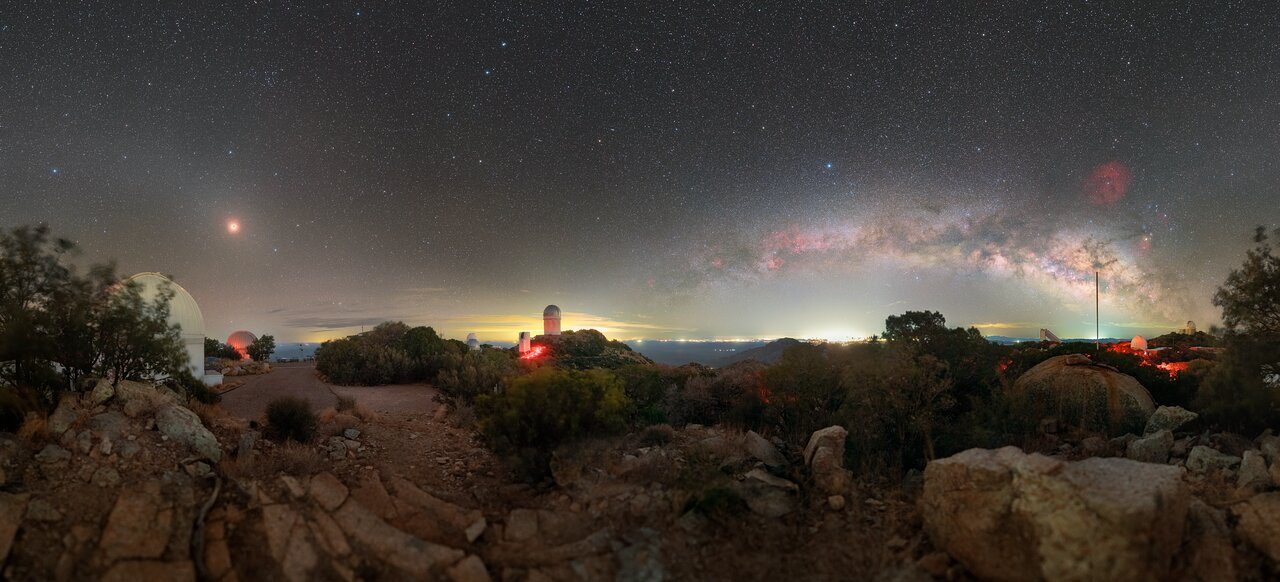
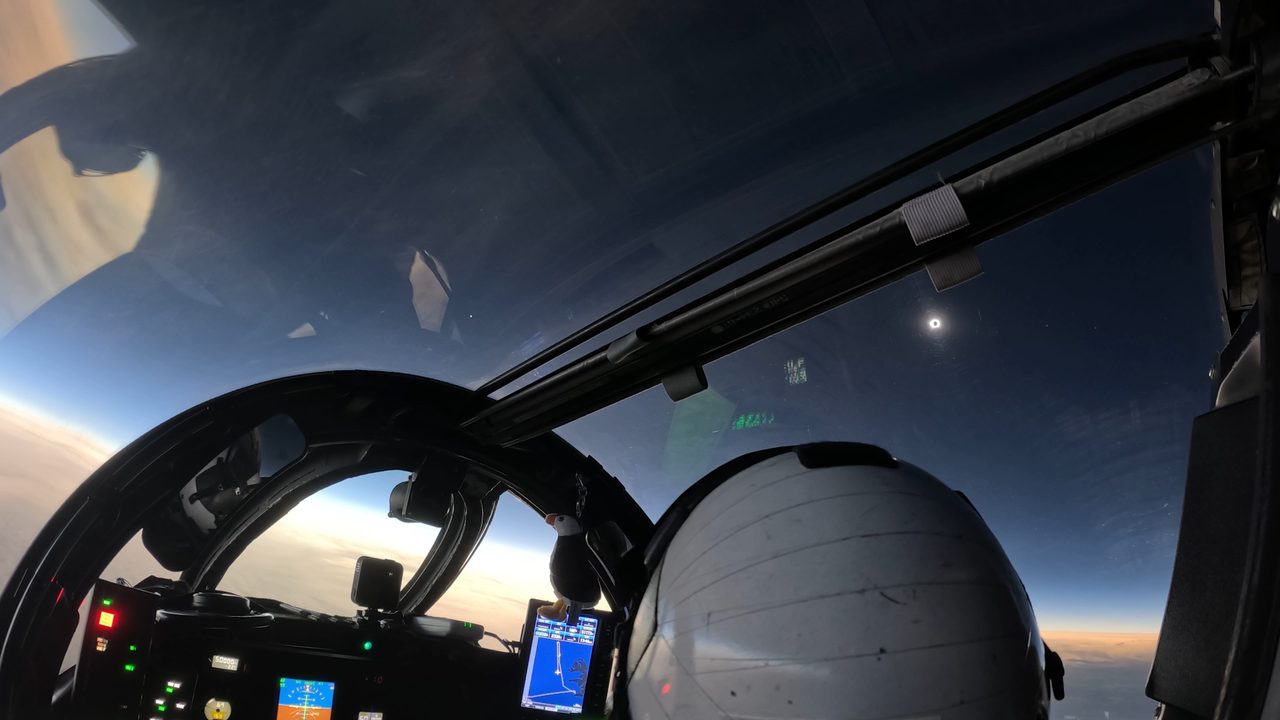
The featured image captures a lunar eclipse with an airplane in the foreground, taken from Portugal. Lunar eclipses occur when the Earth passes directly between the Sun and the Moon, casting a shadow on the lunar surface. These events are visible from anywhere on the night side of Earth, making them accessible to millions without the need for telescopes or special equipment. The photograph showcases the eclipse's grandeur, juxtaposed with the mundane yet remarkable presence of a commercial aircraft.
The Science Behind the Shadow
Lunar eclipses are a prime example of celestial mechanics in action, illustrating the alignment of the Sun, Earth, and Moon. Unlike solar eclipses, which require precise positioning to view, lunar eclipses are visible across entire continents. This widespread visibility makes them a popular subject for both amateur and professional photographers. The event captured here is part of a cycle of eclipses that can be predicted years in advance, thanks to our understanding of orbital dynamics. For those interested in tracking upcoming eclipses or other celestial events, the Orbital Radar pass predictor offers a comprehensive tool for planning your observations.
Observing Tips
To best enjoy a lunar eclipse, find a location with a clear view of the sky and minimal light pollution. The event unfolds slowly, often lasting several hours, allowing ample time to appreciate the changing hues of the Moon as it passes through Earth's shadow. For those curious about other astronomical phenomena, the Moon Globe on Orbital Radar provides real-time information about lunar phases and orbiters.
Frequently Asked Questions
What causes a lunar eclipse?
Can you look at a lunar eclipse without protection?
📎 Cite this article
Orbital Radar Newsroom. (2026). Witnessing a Celestial Dance: The Plane Lunar Eclipse. Orbital Radar. https://orbitalradar.com/blog/cosmic-gallery-2026-09-01"Witnessing a Celestial Dance: The Plane Lunar Eclipse." Orbital Radar, 2 September 2026, https://orbitalradar.com/blog/cosmic-gallery-2026-09-01.@misc{orbitalradar_cosmic_gallery_2026_09_01,
title = {Witnessing a Celestial Dance: The Plane Lunar Eclipse},
author = {{Orbital Radar}},
year = {2026},
howpublished = {\url{https://orbitalradar.com/blog/cosmic-gallery-2026-09-01}}
}