Exploring the Moons of Our Solar System
Explore the captivating moons of Jupiter and Earth. Learn about their features and significance in our solar system.
| Active satellites | 15,783 |
| Catalogued objects | 31,427 |
| Starlink active | 10,061 |
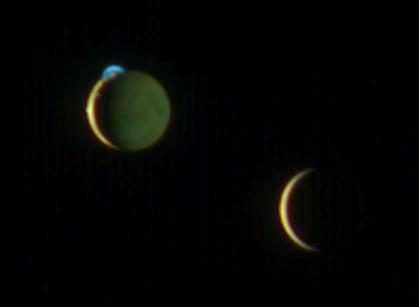
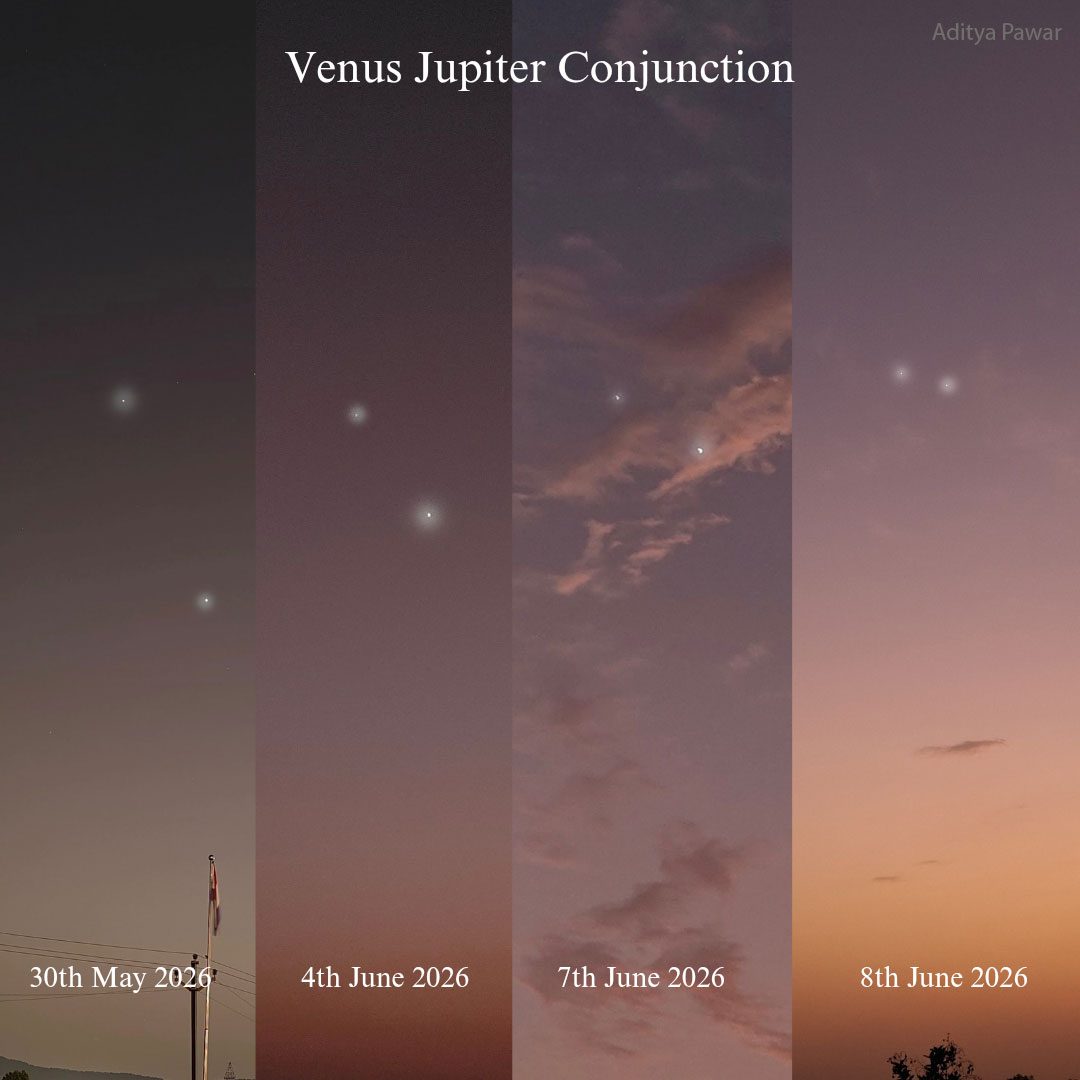
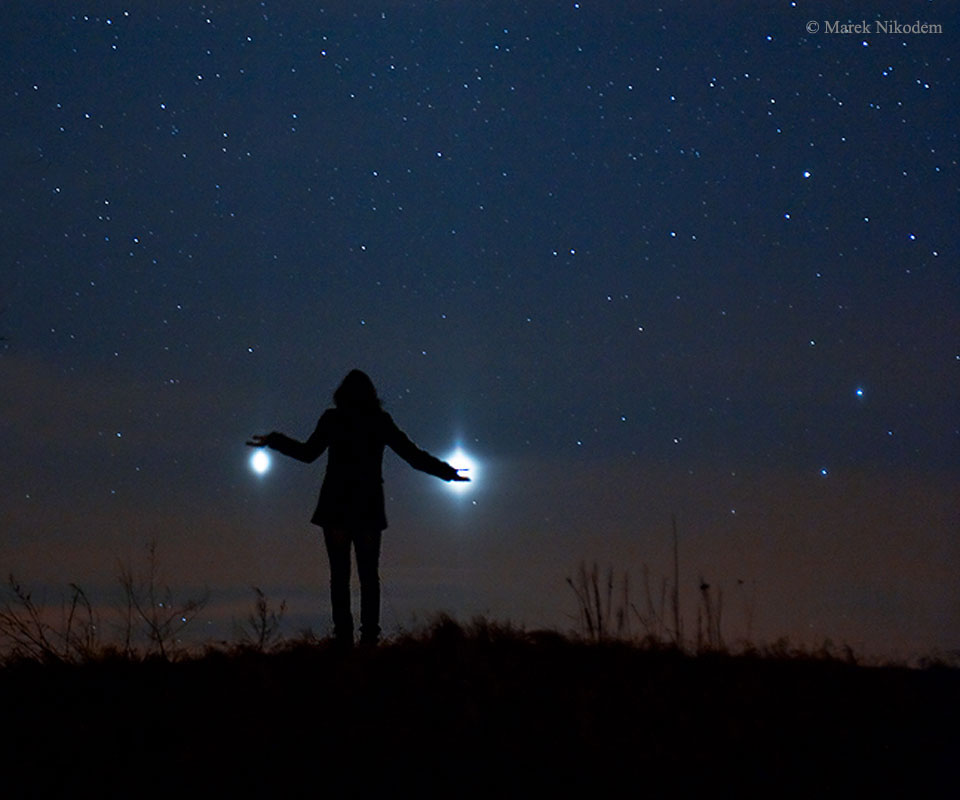
Today's cosmic gallery invites us to explore the captivating moons of our solar system. While the image is unavailable, we can imagine the scene: Jupiter's four largest moons—Io, Europa, Ganymede, and Callisto—alongside Earth's own Moon, Luna. These celestial bodies, visible through telescopes, offer a glimpse into the dynamic and diverse nature of our cosmic neighbourhood. Jupiter's moons, discovered by Galileo in 1610, are particularly intriguing due to their varied surfaces and potential for harbouring life, especially Europa with its subsurface ocean.
The Science Behind Multi-Moon Observations
Observing multiple moons simultaneously provides insights into the gravitational interactions and orbital mechanics that govern their movements. Jupiter's moons, known as the Galilean satellites, are locked in a complex gravitational dance, influencing each other's orbits and causing phenomena such as volcanic activity on Io. Meanwhile, Earth's Moon plays a crucial role in stabilising our planet's axial tilt, affecting climate and tides. Understanding these dynamics helps scientists model planetary systems beyond our own, offering clues about the potential habitability of exoplanets.
Observing Moons with Orbital Radar
For those eager to observe these celestial wonders, telescopes provide the best view of Jupiter's moons, while Luna is visible to the naked eye. To enhance your stargazing experience, Orbital Radar's pass predictor can help you track the best times to observe these moons. Additionally, our Moon Globe offers real-time data on lunar phases and positions, making it easier to plan your observations.
Frequently Asked Questions
How many moons does Jupiter have?
Why is Earth's Moon important?
📎 Cite this article · data available
Orbital Radar Newsroom. (2026). Exploring the Moons of Our Solar System. Orbital Radar. https://orbitalradar.com/blog/cosmic-gallery-2026-10-13"Exploring the Moons of Our Solar System." Orbital Radar, 13 October 2026, https://orbitalradar.com/blog/cosmic-gallery-2026-10-13.@misc{orbitalradar_cosmic_gallery_2026_10_13,
title = {Exploring the Moons of Our Solar System},
author = {{Orbital Radar}},
year = {2026},
howpublished = {\url{https://orbitalradar.com/blog/cosmic-gallery-2026-10-13}}
}