Auroral Ovals: Earth's Dazzling Light Show from Space
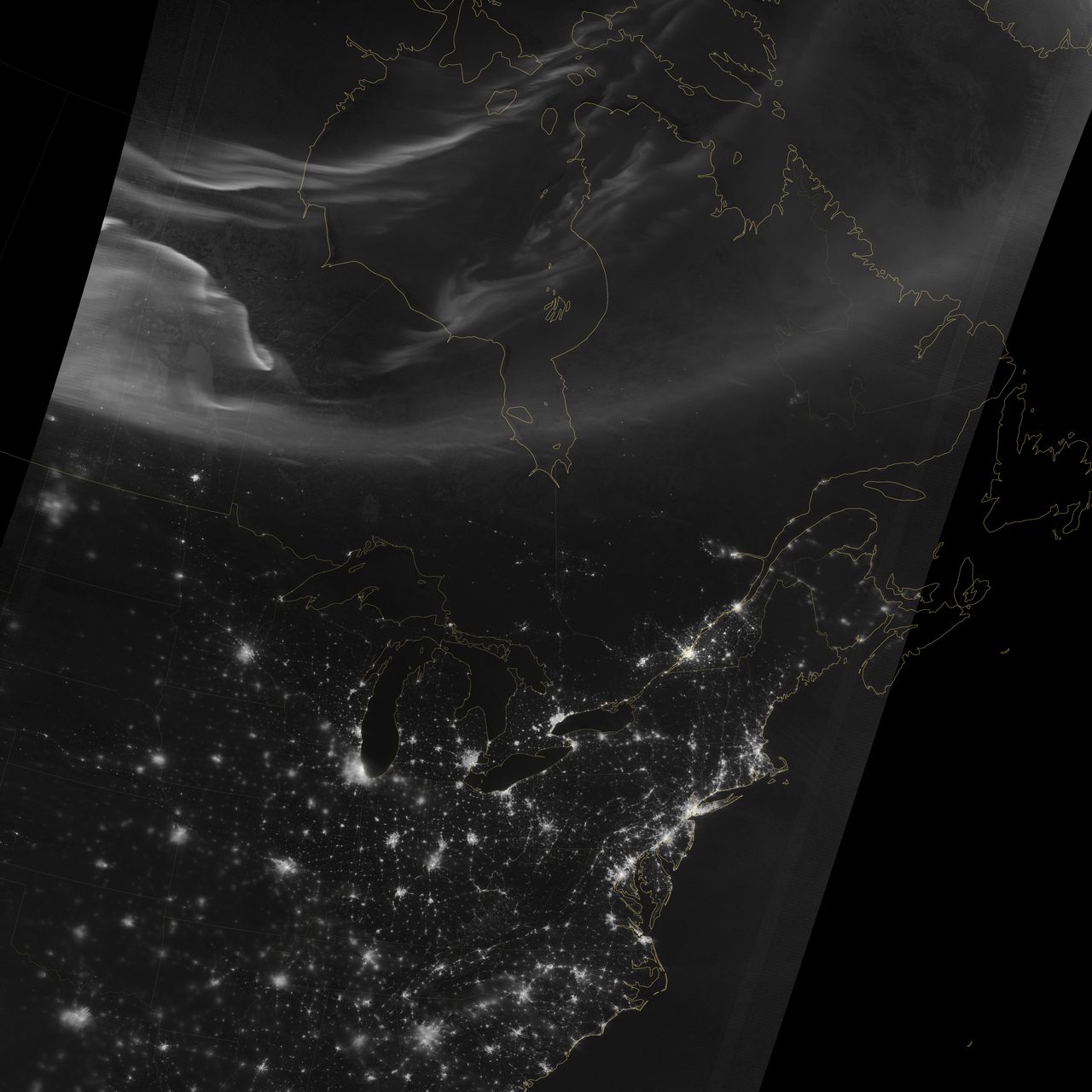
Auroral ovals, visible only from space, encircle Earth's magnetic poles in a stunning display of light. Discover the science behind this phenomenon.
| Active satellites | 15,783 |
| Catalogued objects | 31,507 |
| Starlink active | 10,063 |
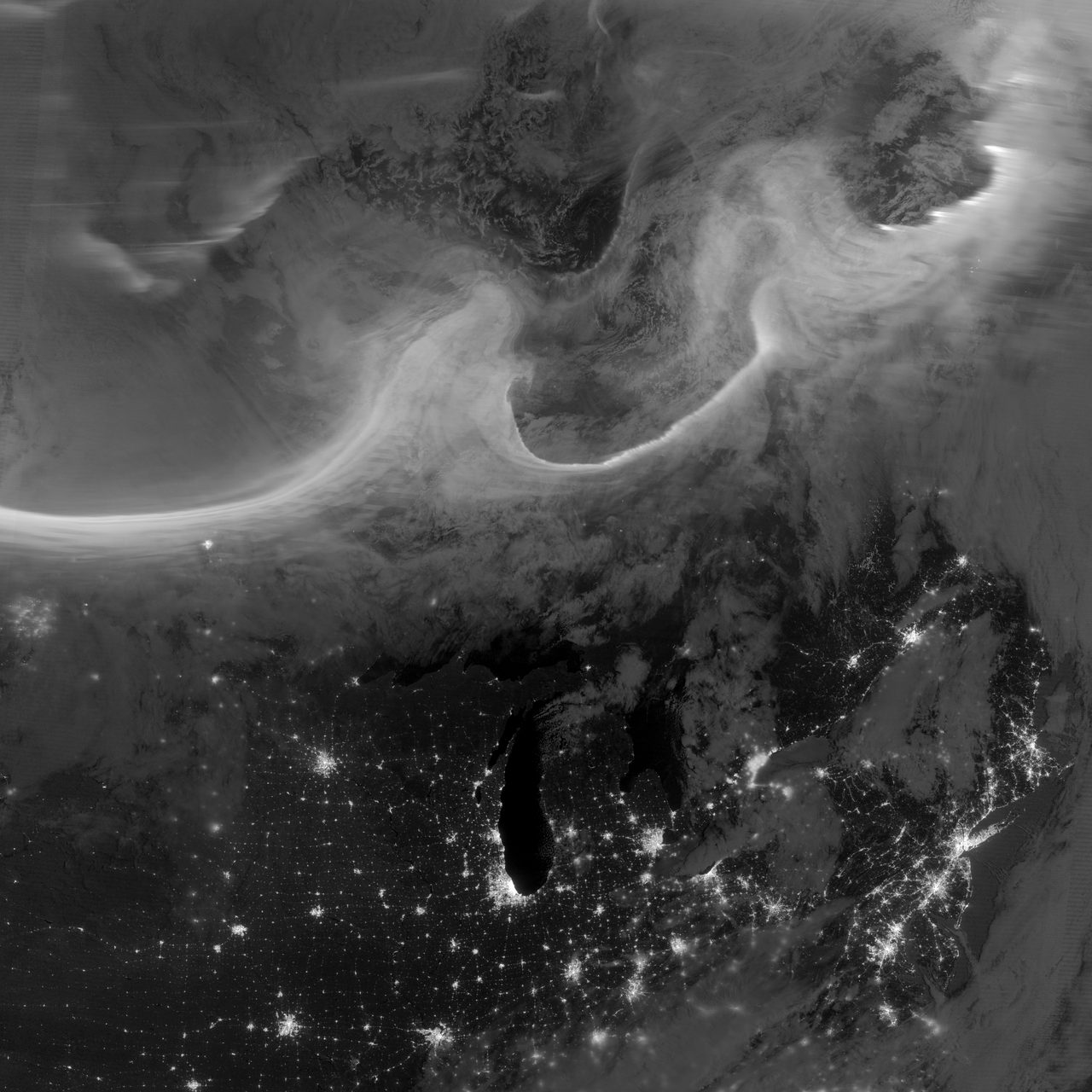
Auroral ovals are spectacular displays of light that encircle Earth's magnetic poles, visible only from the vantage point of space. These ovals form as charged particles from the Sun interact with Earth's magnetosphere, creating shimmering curtains of light in the polar regions. The phenomenon is not only a visual spectacle but also a critical area of study for understanding space weather and its effects on satellite operations.
The Science of Auroras
The auroral ovals are a direct consequence of solar activity. When solar wind—a stream of charged particles emitted by the Sun—reaches Earth, it disturbs the planet's magnetic field. This interaction energises particles trapped in Earth's magnetosphere, which then collide with atmospheric gases, producing the characteristic glow of auroras. Scientists monitor these interactions to predict space weather, which can affect satellite communications and power grids. Orbital Radar's space situational awareness toolkit provides insights into current space weather conditions.
Observing Auroras from Space
While ground-based observers see auroras as arcs or curtains, satellites in orbit capture the complete oval shape of these light displays. This perspective is crucial for understanding the full extent of auroral activity. Currently, there are 15,783 active satellites in orbit, according to Orbital Radar's live catalogue, many of which contribute to monitoring Earth's space environment.
Frequently Asked Questions
What causes auroral ovals?
Can auroras affect satellite operations?
📎 Cite this article · data available
Orbital Radar Newsroom. (2026). Auroral Ovals: Earth's Dazzling Light Show from Space. Orbital Radar. https://orbitalradar.com/blog/cosmic-gallery-2026-10-07"Auroral Ovals: Earth's Dazzling Light Show from Space." Orbital Radar, 7 October 2026, https://orbitalradar.com/blog/cosmic-gallery-2026-10-07.@misc{orbitalradar_cosmic_gallery_2026_10_07,
title = {Auroral Ovals: Earth's Dazzling Light Show from Space},
author = {{Orbital Radar}},
year = {2026},
howpublished = {\url{https://orbitalradar.com/blog/cosmic-gallery-2026-10-07}}
}