Exploring the Vastness: Earth's Energy from the Sun

The Sun delivers more energy to Earth every hour than we consume in a year. Explore this remarkable fact and its implications for our planet.
| Active satellites | 15,736 |
| Catalogued objects | 31,247 |
| Starlink active | 9,985 |
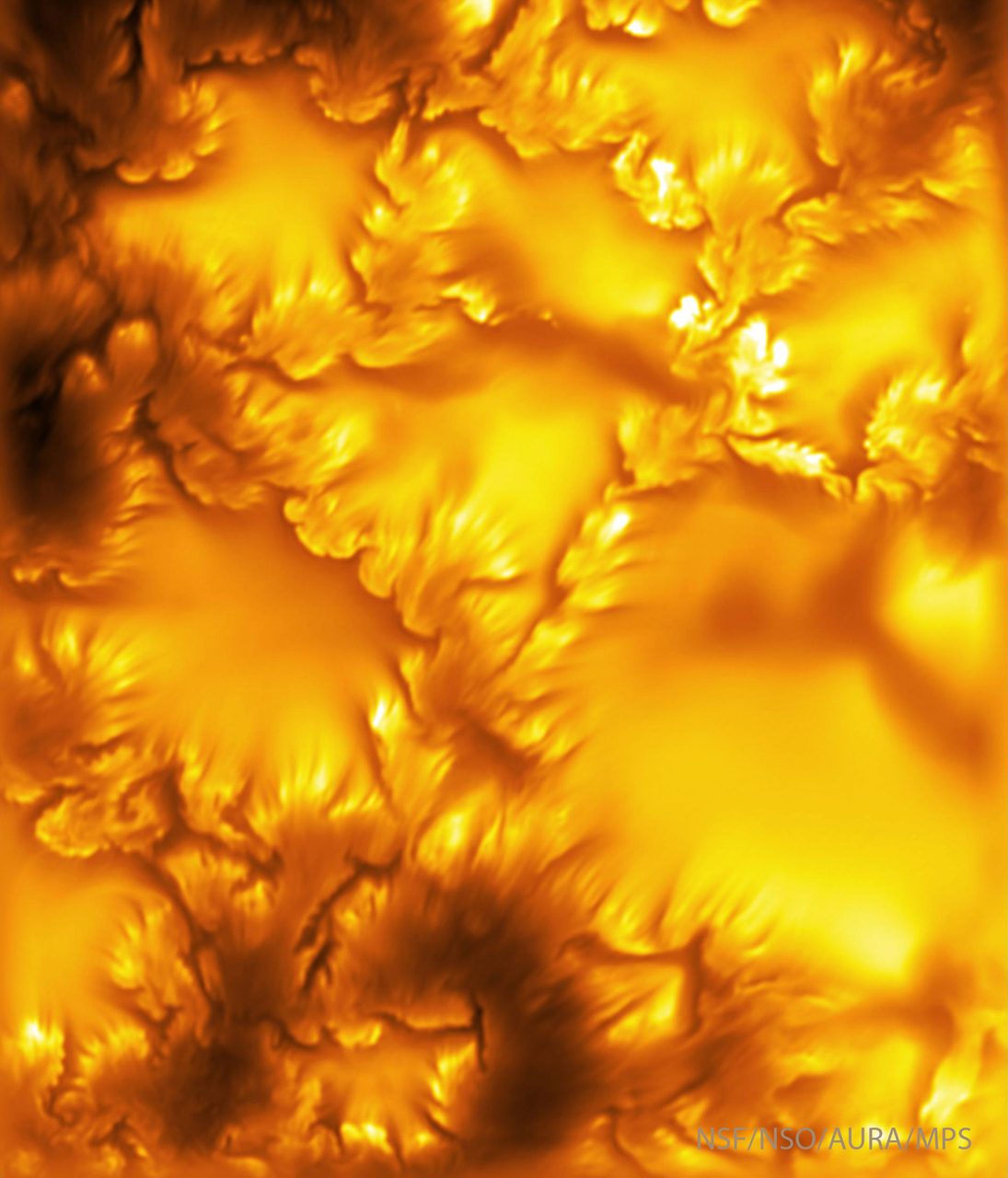
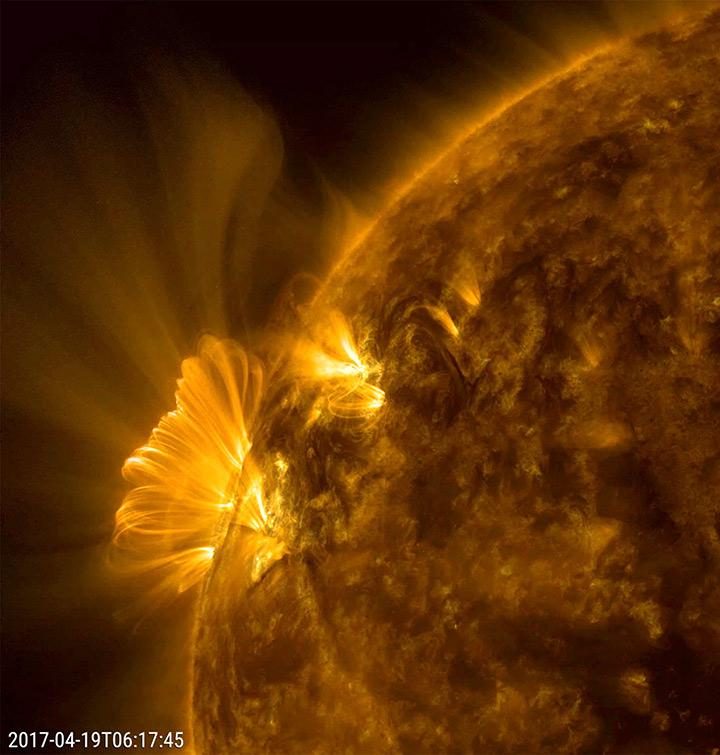
On this day, we reflect on a staggering fact: more energy from the Sun strikes the Earth every hour than the entire planet uses in a year. This immense power comes from the Sun's nuclear fusion, where hydrogen atoms combine to form helium, releasing vast amounts of energy in the process. The energy reaches Earth in the form of sunlight, driving weather patterns, supporting plant life through photosynthesis, and providing the warmth necessary for life as we know it.
Harnessing Solar Power
The potential of solar energy is vast and largely untapped. As of now, solar power accounts for a small fraction of global energy consumption, but advances in solar technology are rapidly changing this landscape. Photovoltaic cells, which convert sunlight directly into electricity, are becoming more efficient and affordable. This shift towards renewable energy sources is crucial as humanity seeks to reduce reliance on fossil fuels and mitigate climate change.
Tracking Solar Influence
The Sun's influence extends beyond energy. Solar activity, such as flares and coronal mass ejections, can impact satellite operations and communications. Monitoring these events is vital for space situational awareness. Orbital Radar's SSA hub offers tools to track solar activity and its effects on our space infrastructure.
Frequently Asked Questions
How much solar energy reaches Earth?
Why is solar energy important?
Cite this article
Pick a style, then copy it or download it for your reference manager.Orbital Radar. (2026, September 30). Exploring the Vastness: Earth's Energy from the Sun. Retrieved November 14, 2026, from https://orbitalradar.com/blog/cosmic-gallery-2026-09-30
“Exploring the Vastness: Earth's Energy from the Sun.” Orbital Radar, 30 Sept. 2026, orbitalradar.com/blog/cosmic-gallery-2026-09-30. Accessed 14 Nov. 2026.
Orbital Radar (2026) Exploring the Vastness: Earth's Energy from the Sun. Available at: https://orbitalradar.com/blog/cosmic-gallery-2026-09-30 (Accessed: 14 November 2026).
Orbital Radar. “Exploring the Vastness: Earth's Energy from the Sun.” Last modified September 30, 2026. https://orbitalradar.com/blog/cosmic-gallery-2026-09-30.
@misc{orbitalradar_blog_cosmic_gallery_2026_09_30,
  author       = {{Orbital Radar}},
  title        = {Exploring the Vastness: Earth's Energy from the Sun},
  year         = {2026},
  month        = sep,
  howpublished = {\url{https://orbitalradar.com/blog/cosmic-gallery-2026-09-30}},
  url          = {https://orbitalradar.com/blog/cosmic-gallery-2026-09-30},
  urldate      = {2026-11-14},
  note         = {Accessed 2026-11-14}
}
TY - ELEC AU - Orbital Radar, TI - Exploring the Vastness: Earth's Energy from the Sun PY - 2026 DA - 2026/09/30 PB - Orbital Radar UR - https://orbitalradar.com/blog/cosmic-gallery-2026-09-30 Y2 - 2026/11/14 LA - en ER -
Live figures change, so keep the date you accessed the page. How to cite Orbital Radar