COSMOS 1408: The 2021 ASAT Test Debris Field
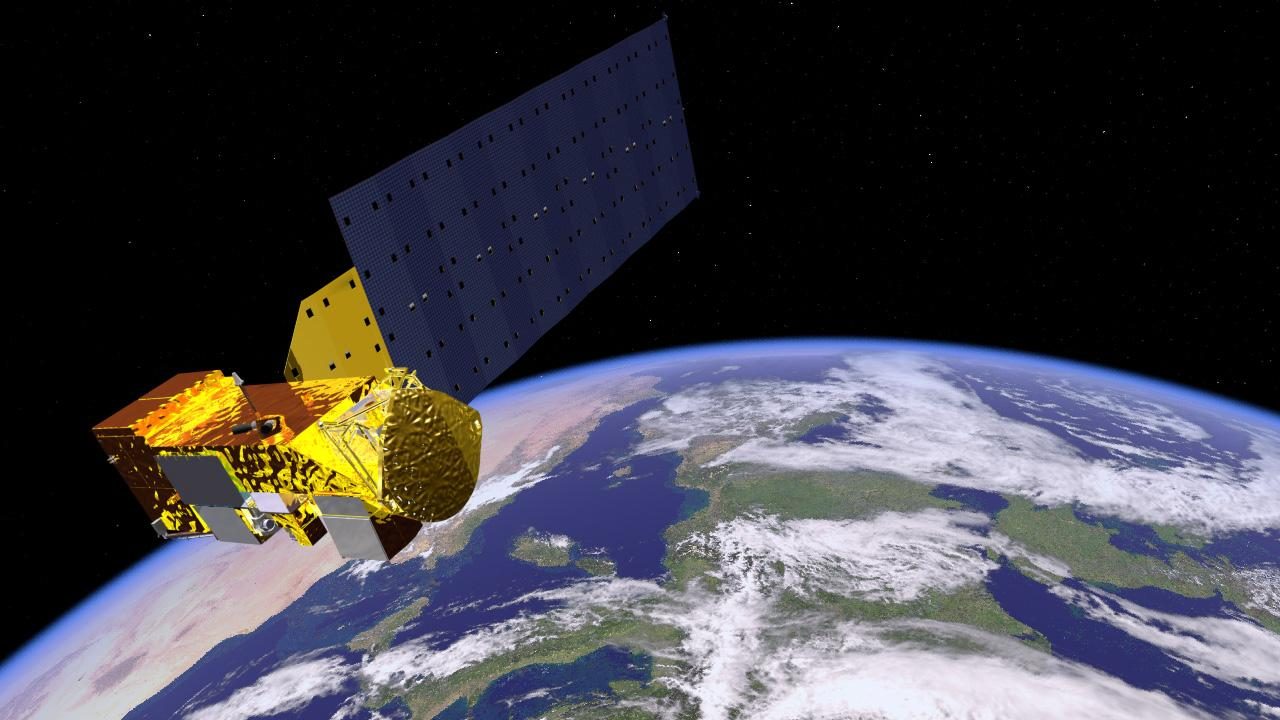
COSMOS 1408 was a Soviet-era satellite launched on 16 September 1982. It was part of the Tselina-D series, designed for electronic intelligence (ELINT) purposes, which involves intercepting and analysing electronic signals.
| Active satellites | 15,776 |
| Catalogued objects | 31,564 |
| Starlink active | 10,064 |
What is COSMOS 1408?
COSMOS 1408 was a Soviet-era satellite launched on 16 September 1982. It was part of the Tselina-D series, designed for electronic intelligence (ELINT) purposes, which involves intercepting and analysing electronic signals. The satellite, identified by NORAD ID 13552, operated for several years before being decommissioned. It remained in a low Earth orbit (LEO) as a defunct object until its destruction in 2021.
Mission and Purpose
The primary mission of COSMOS 1408 was to gather intelligence on electronic signals, aiding in the Soviet Union's military and strategic operations during the Cold War. As an ELINT satellite, it played a crucial role in monitoring and analysing radio transmissions, radar emissions, and other electronic signals from potential adversaries. This mission was part of a broader effort to enhance the Soviet Union's situational awareness and defence capabilities.
Orbital Characteristics
Before its destruction, COSMOS 1408 orbited the Earth at an altitude of approximately 485 kilometres with an inclination of 82.5 degrees. This polar orbit allowed the satellite to cover a wide swath of the Earth's surface, making it ideal for intelligence gathering. The satellite's orbital period was roughly 94 minutes, enabling frequent revisits over key areas of interest.
Significance and Legacy
COSMOS 1408 gained significant attention when it was deliberately destroyed in a Russian anti-satellite (ASAT) test on 15 November 2021. The test resulted in a debris field of over 1,500 trackable pieces, posing a risk to other satellites and the International Space Station. This event highlighted the growing concerns about space debris and the potential hazards of ASAT tests. The debris field from COSMOS 1408 is part of the 10,093 debris objects currently tracked by Orbital Radar's live catalogue.
Current Status
As of now, the debris from COSMOS 1408 continues to be monitored closely. The fragments remain in low Earth orbit, contributing to the overall space debris environment. Orbital Radar's Debris Map provides real-time tracking of these objects, allowing for assessments of potential collision risks with operational satellites. The incident has sparked international discussions on the need for regulations governing ASAT tests and space debris mitigation.
📎 Cite this article · data available
Orbital Radar Newsroom. (2026). COSMOS 1408: The 2021 ASAT Test Debris Field. Orbital Radar. https://orbitalradar.com/blog/cosmos-1408-asat-debris"COSMOS 1408: The 2021 ASAT Test Debris Field." Orbital Radar, 10 October 2026, https://orbitalradar.com/blog/cosmos-1408-asat-debris.@misc{orbitalradar_cosmos_1408_asat_debris,
title = {COSMOS 1408: The 2021 ASAT Test Debris Field},
author = {{Orbital Radar}},
year = {2026},
howpublished = {\url{https://orbitalradar.com/blog/cosmos-1408-asat-debris}}
}